
 English
 简体中文
 Русский
 Français
 Português
 Español


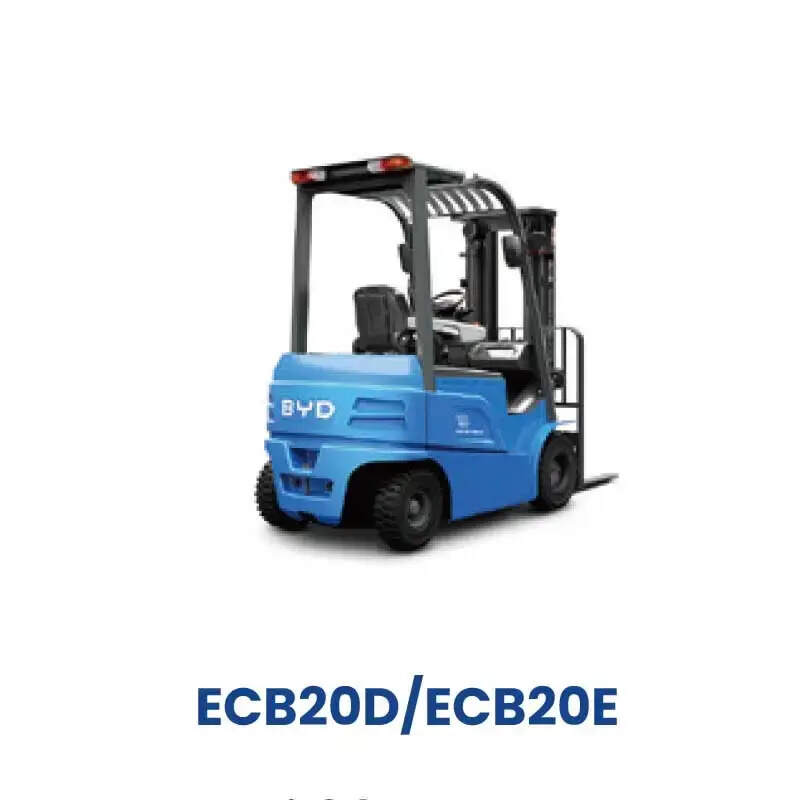
As a core widely used material handling equipment in modern logistics and warehousing scenarios, electric forklifts have been recognized by most industry practitioners for their low noise, zero local emission and flexible operation characteristics. Mastering scientific usage rules and maintenance methods can help enterprises give full play to the equipment’s performance advantages and create more stable operation value.
Core Pre-operation Inspection Specifications
Before each start-up operation, operators need to complete the basic inspection work according to the standard flow. First, check the remaining power display of the power system to confirm that the power can support the completion of the expected operation tasks on the day, to avoid sudden power failure in the middle of the operation that affects the work progress. Then check the wear degree of the walking tire, the sensitivity of the braking system, whether the deformation of the fork is within the safe allowable range, and confirm that there is no foreign matter stuck in the movable parts such as the gantry. Minor hidden dangers found in the inspection process should be dealt with in time, and the equipment with abnormal symptoms should not be forced to start.
Standardized Daily Operation Requirements
In the daily operation process, the operator should strictly follow the rated load index of the equipment to carry out the loading and handling work, and do not operate over the specified load for a long time. When turning, driving on uneven roads or passing through narrow passages, the speed should be reduced in advance, and the fork should be kept at a low safe position when driving on the ramp to avoid slipping of the goods. When the equipment is in a short pause state, the operating handle should be reset in time, and the power supply should be turned off when leaving the operating position for a long time. Avoid continuous full-load operation for more than 2 hours under high temperature ambient temperature, to prevent the power system from overheating and triggering the protection mechanism.
Routine Maintenance and Storage Suggestions
After the daily operation, the sundries, dust and residual cargo debris on the surface of the equipment and the moving parts should be cleaned in time to prevent the hard sundries from wearing the parts. Regularly check the connection state of the power interface, remove the slight oxide layer on the surface of the interface to ensure the stability of power transmission. The charging place should be kept ventilated and dry, avoid charging in the open air exposed to direct sunlight or in a low temperature environment below zero. If the equipment needs to be stored for a long time, keep the power at a reasonable level, and replenish the power regularly according to the specified cycle to avoid excessive power loss affecting the overall service life.


