
 English
 简体中文
 Русский
 Français
 Português
 Español


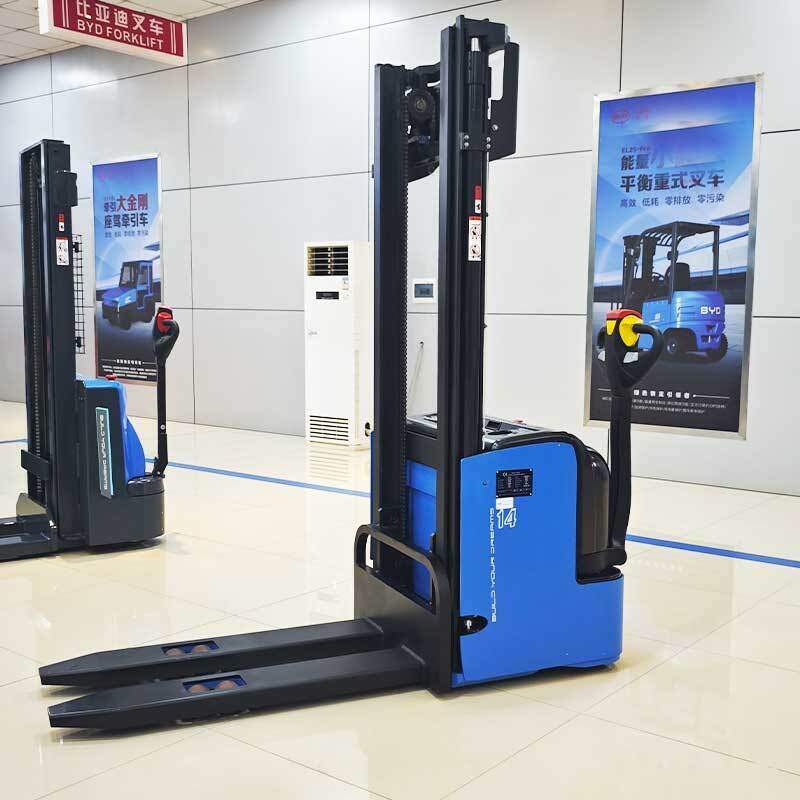
Against the background of accelerating low-carbon transformation in the industrial logistics sector, electric forklifts have gradually become one of the most widely used material handling equipment in closed storage, manufacturing workshops and distribution centers. For frontline operators and equipment managers, mastering systematic electric forklift related knowledge can effectively improve operation safety, reduce unnecessary wear and bring more stable operation experience.
Core Performance Features of Standard Electric Forklifts
Different from traditional internal combustion handling equipment, electric forklifts rely on power battery packs as the energy supply, which will not produce exhaust emissions during the working process, and the overall operation noise is kept at a relatively low level, which is more suitable for long-term closed indoor operation scenarios. The output of the power system is more stable, and the operation adjustment sensitivity of the mast, hydraulic arm and steering system is friendly to new operators after short-term adaptation, which can meet most daily material handling demands.
Standardized Daily Operation Specifications
Before each startup, operators need to complete basic inspection work, including checking the remaining battery power, the sensitivity of the braking system, the normal display of the warning light, and no foreign objects stuck around the walking wheel. During the driving process, personnel need to avoid overloading beyond the rated load marked on the equipment nameplate, keep a safe distance from surrounding passing personnel and storage shelves, and adopt low-speed operation mode when moving on the ramp, to avoid unstable goods dumping.
Routine Maintenance Recommendations
Regular standardized maintenance can effectively extend the overall service life of electric forklifts. For the core power battery part, operators should avoid overcharging and over-discharging, wipe the dust on the surface of the battery shell and the metal contacts regularly to avoid poor contact caused by accumulated dust. The hydraulic oil level of the lifting system should be checked every fixed cycle, and the transmission connecting parts should be lubricated with special grease regularly to reduce the wear of moving parts.
Scenario Adaptation Reference Suggestions
When selecting and using electric forklifts, personnel can adjust the parameter configuration according to the actual operation scenario. For narrow channel storage scenarios, you can choose the corresponding compact body size model to improve the space utilization rate of the shelf passage. For low temperature scenarios such as cold storage, you can choose the equipment with special low-temperature protection for the battery pack, to ensure that the equipment can maintain stable operation performance in special working environments.


