
 English
 简体中文
 Русский
 Français
 Português
 Español


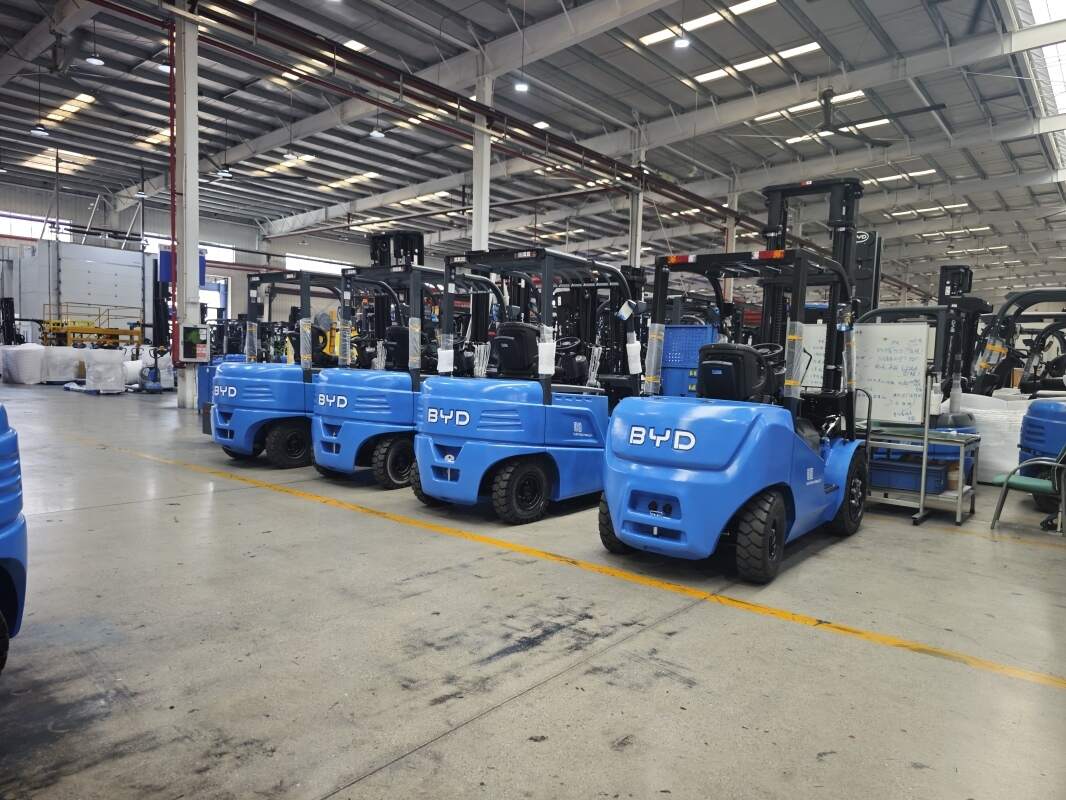
As low-carbon logistics becomes a mainstream development trend in the material handling sector, electric forklifts have gradually become a core configuration for most storage and distribution scenarios, and mastering relevant operation and maintenance knowledge can bring considerable benefits for operation teams.
Core Operational Advantages of Modern Electric Forklifts
Different from traditional internal combustion industrial vehicles, modern electric forklifts produce zero local exhaust emissions during the working process, which can meet the environmental requirements of closed warehouses, cold chain storage, food and pharmaceutical processing sites. The overall noise level during operation is much lower than fuel-powered counterparts, which can reduce long-term hearing fatigue of operators and create a more friendly working environment for front-line staff. The energy consumption cost per unit of running time is relatively controllable, which helps teams control daily operation expenditure steadily.
Routine Maintenance Points to Extend Stable Service Period
Daily inspection work is the foundation to keep electric forklifts in good condition for a long time. Operators are suggested to check the remaining power level of the power unit before each shift, wipe the electrode interface regularly to avoid poor contact caused by dust accumulation, check the wear degree of solid tires and the sensitivity of the braking and steering system. It is not recommended to keep the vehicle in long-term overloaded working status, and keep the power unit in a reasonable charge and discharge interval during idle periods to avoid unnecessary capacity loss.
Scenario-Based Application Optimization Suggestions
For different working scenarios, operators can adjust the vehicle’s operation parameters properly to get better performance. For high-lift shelf operation scenarios, properly adjust the lifting speed matching with the goods’ weight to keep the operation stable. For narrow aisle working areas, switch to the corresponding steering mode to reduce the space required for turning. Arranging working shifts properly to reduce unnecessary idle running can effectively improve the hourly operation throughput of the whole fleet. With standardized operation and regular maintenance, electric forklifts can maintain stable working performance in the whole service cycle, helping material handling teams get more predictable operation output under controllable cost.


