
 English
 简体中文
 Русский
 Français
 Português
 Español


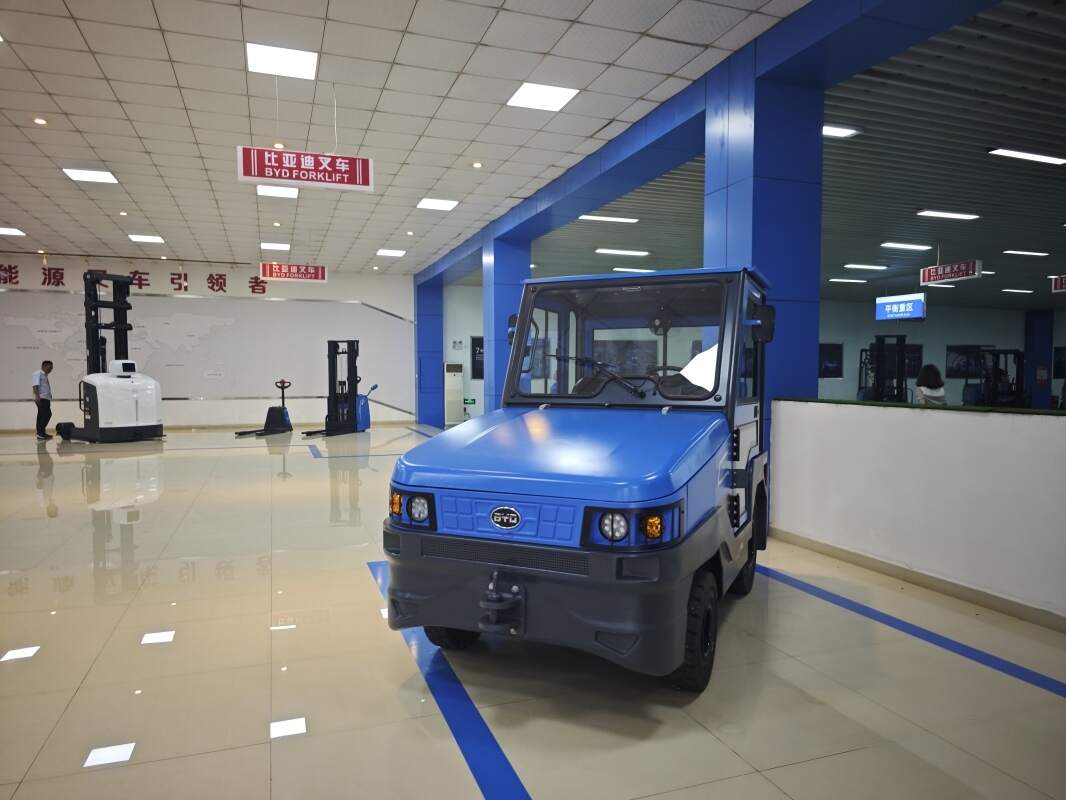
As the logistics and warehousing industry continues to pursue low-carbon, high-efficiency operation modes, electric forklifts have become one of the most widely applied material handling equipment in indoor storage, retail distribution and light industrial workshops. This guide organizes practical industry knowledge to help relevant practitioners grasp core application points correctly.
Core Functional Advantages of Electric Forklifts
Compared with traditional fuel-powered handling equipment, modern electric forklifts produce no local exhaust emission during operation, which effectively avoids air pollution in closed warehouse spaces and reduces adverse impact on working environment for frontline staff. The overall operation noise of electric forklifts stays at a relatively low level, which will not cause sound disturbance to surrounding working areas, and the smooth transmission system cuts down vibration generated in operation process, reducing the probability of damage to fragile transported goods. The compact body design of most electric forklift models can adapt to narrow channel scenarios, making it more flexible for goods stacking and accessing work.
Standard Daily Operation Specifications
Before each startup, operators need to conduct basic check on key components, including brake system, remaining power level, and abrasion condition of load bearing forks, to eliminate hidden risks in advance. During the operation process, operators should follow the rated load parameter of the equipment, avoid long time operation under overload status, slow down the speed when turning or passing narrow channels, and keep full attention to surrounding passing staff and obstacles. After finishing the daily operation, operators need to park the equipment in the designated safe area, pull the hand brake to fixed position, cut off the main power supply, and arrange supplementary power supply according to remaining power level.
Practical Routine Maintenance Points
For the power battery component, operators should regularly clean the connection interface to avoid dust accumulation, and follow official guidance to arrange charging process, avoid frequent over-discharge to extend the overall service life of the battery. Operators also need to arrange regular lubrication for rotating and movable parts of the equipment, check the sealing condition of hydraulic system to confirm no leakage exists, and regularly calibrate the load sensing module to ensure the data feedback stays accurate. Following the standardized maintenance flow can effectively reduce unexpected breakdown rate, and support long-term stable operation of the equipment.


