
 English
 简体中文
 Русский
 Français
 Português
 Español


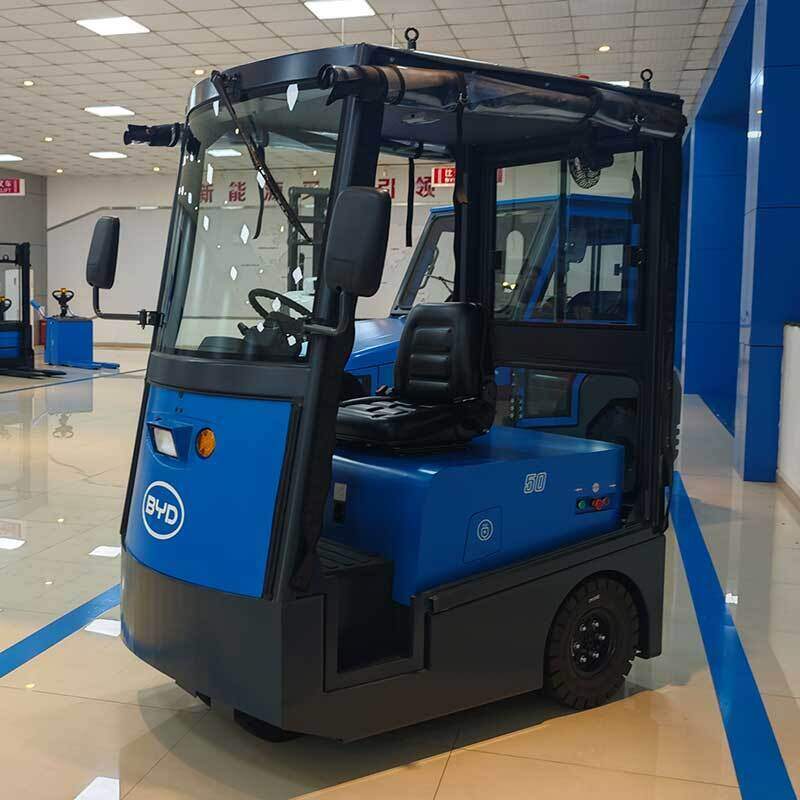
With the rising prevalence of low-carbon operation concepts in the global material handling industry, electric forklifts have gained wider application in various closed warehouses, production workshops and distribution centers in recent years. Frontline operators and logistics managers often look for systematic, actionable guidance to fully leverage the value of this equipment in daily work.
Core Functional Features of Modern Electric Forklifts
Different from traditional fuel-powered handling equipment, most electric forklift models produce zero local emissions during operation, and their overall running noise is kept at a relatively low level, which can effectively reduce interference to the working environment of closed indoor spaces. The energy consumption cost per unit running time remains relatively stable, and the equipment can adapt to multiple operation scenarios including horizontal cargo transportation, high-position stacking and low-intensity loading and unloading work, which can match the operation demands of most small and medium-sized logistics sites.
Standard Daily Operation Protocols
Before starting the equipment every time, operators need to complete necessary pre-drive checks, including confirming remaining battery level, testing the sensitivity of the braking system, and checking the smoothness of the lifting hydraulic structure. During the driving process, the traveling speed should match the width of the on-site passage and the surrounding personnel activity density, and overloading is not allowed in any operation scenario. When carrying out high-position stacking work, operators should keep the center of gravity of the goods stable, and avoid sharp steering or sudden braking to prevent the risk of cargo slipping.
Routine Maintenance Tips for Long-term Stable Use
After the daily operation is completed, users should arrange charging work in accordance with the official operation specifications, and try to avoid long-term deep power loss of the battery to prevent negative impact on the overall service life. It is recommended to regularly clean the dust and residual sundries on the surface of the car body and the gap of the goods fork, and check the connection tightness of the power circuit according to the regular use cycle. If abnormal noise or obvious power attenuation is found during operation, relevant personnel can contact professional technical staff for troubleshooting in time to avoid minor faults expanding and affecting the normal operation of the whole site.


