
 English
 简体中文
 Русский
 Français
 Português
 Español


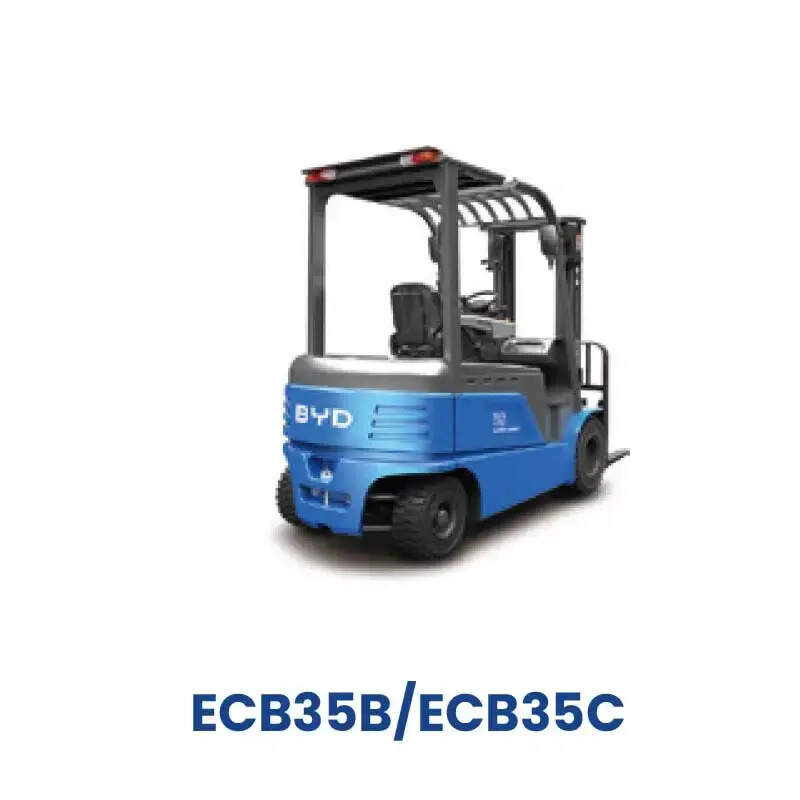
With the wide application of new energy material handling equipment in modern logistics scenarios, electric forklifts have become one of the most commonly used core equipment in warehouse operation systems. Mastering standardized use and management rules can bring multiple practical benefits for on-site operation teams.
Core Operation Norms for Daily electric forklift Use
Before each shift of operation, operators need to complete basic pre-check work, including confirming the remaining power level, testing the sensitivity of braking and steering systems, checking the surface integrity of loading forks, and removing obstacles around the operation route. During the operation process, operators should control the driving speed within a safe range, especially slow down when turning, passing narrow aisles or moving near pedestrian areas. It is not recommended to carry loads exceeding the rated load of the equipment for a long time, to avoid extra pressure on the power system and structural parts.
Routine Maintenance Points to Extend Equipment Service Life
Regular and standardized daily maintenance can effectively reduce the failure rate of electric forklifts in long-term use. For the core power battery component, operators need to regularly clean the connection electrode position, avoid liquid leakage or dust accumulation affecting the charging and discharging efficiency, and avoid overcharging or deep discharging for a long time. It is also necessary to check the sealing performance of the hydraulic lifting system regularly, confirm the wear degree of solid or pneumatic tires, and clean the dust and sundries accumulated at the heat dissipation openings of the body on a regular basis, to avoid poor heat dissipation affecting the continuous operation performance.
Energy Efficiency Optimization Strategies to Reduce Operating Costs
Reasonable operation adjustment can effectively improve the energy utilization efficiency of electric forklifts. The on-site scheduling team can plan a reasonable driving route in advance according to the daily storage and picking tasks, reduce unnecessary empty driving mileage, and avoid frequent rapid acceleration and emergency braking during driving. When the equipment is in temporary idle state, the power system can be put into standby mode properly to reduce unnecessary power consumption. Matching the equipment tonnage with actual handling demand can also avoid the waste of power resources caused by using oversized equipment for light load tasks. The above practical management measures can help the operation team build a stable and safe electric forklift use system, bringing more stable support for the daily material handling work of the warehouse.


