
 English
 简体中文
 Русский
 Français
 Português
 Español


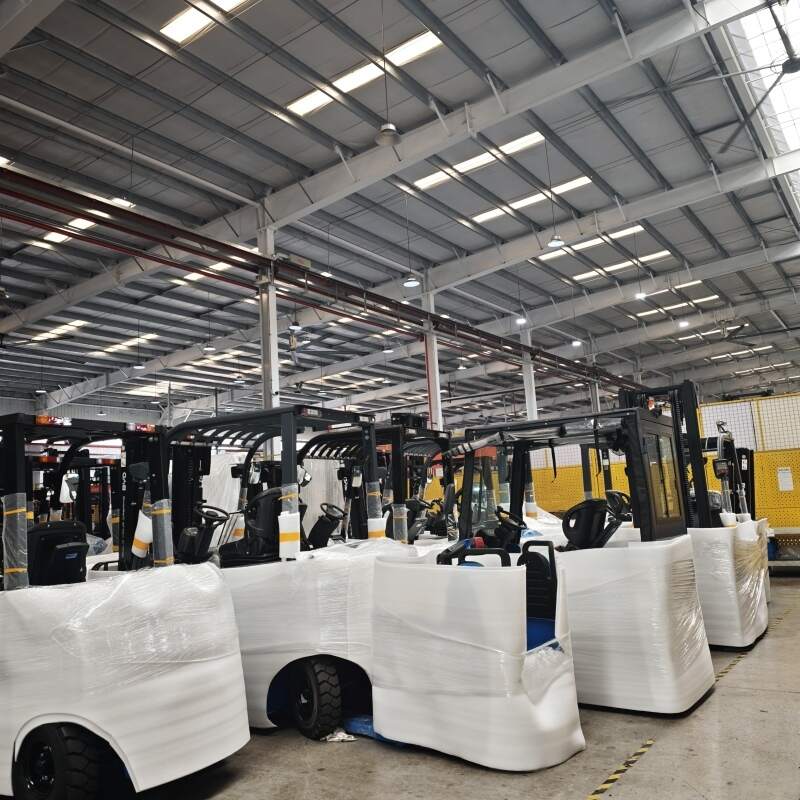
As low-carbon logistics development gains wider popularity across the global supply chain, electric forklifts have become one of the most widely applied material handling equipment in various warehouse, manufacturing and distribution scenarios. For frontline operators and logistics managers, mastering systematic knowledge of electric forklift application can help reduce unnecessary operation risks and lower long-term use costs.
Core Functional Advantages of Electric Forklifts
Compared with traditional internal combustion powered handling equipment, electric forklifts produce no local exhaust emission during operation, which makes them suitable for enclosed indoor spaces, temperature-controlled storage areas and scenarios with high requirements for environmental hygiene, such as food and pharmaceutical warehouses. The overall noise level of running electric forklifts is far lower than that of fuel-powered counterparts, which can effectively reduce noise interference for on-site workers and avoid violating noise control regulations in densely populated industrial zones. The energy consumption cost per unit running hour is also relatively controllable for most operation scenarios.
Standard Daily Operation Protocols
Before starting each shift, operators need to complete basic pre-check procedures, including confirming the remaining power level of the power unit, testing the flexibility of the braking system, and checking the integrity of the load fork and surrounding safety warning devices. During operation, staff should avoid sharp acceleration or sudden steering under heavy load status, keep a safe distance from surrounding shelves and passing personnel, and adjust driving speed according to the width of the operation channel and on-site personnel flow. When transporting goods up and down slopes, operators should keep the load facing the upward direction of the slope to avoid accidental falling of goods.
Routine Maintenance Essentials
Regular inspection and maintenance work can effectively extend the service cycle of electric forklifts and reduce unexpected downtime. Operators need to check the connection status of the power unit terminals regularly, avoid liquid accumulation on the surface of the power unit shell, and clean the dust and debris accumulated on the surface of the motor and heat dissipation components on a scheduled basis. The sealing performance of the hydraulic lifting system, wear degree of solid tires and sensitivity of the warning horn also need to be inspected in each scheduled maintenance cycle, to eliminate potential hidden troubles in advance.
Scenario Matching Optimization Tips
For different operation scenarios, users can select suitable configuration of electric forklifts according to the actual channel width, maximum lifting height and average load weight of daily handling tasks. For narrow aisle storage scenarios, matched compact structure electric forklifts can effectively improve the utilization rate of warehouse storage space. For long-time continuous operation scenarios, users can arrange reasonable power replenishment plans according to the actual configuration of the power unit, to ensure stable operation of the whole logistics shift.


