
 English
 简体中文
 Русский
 Français
 Português
 Español


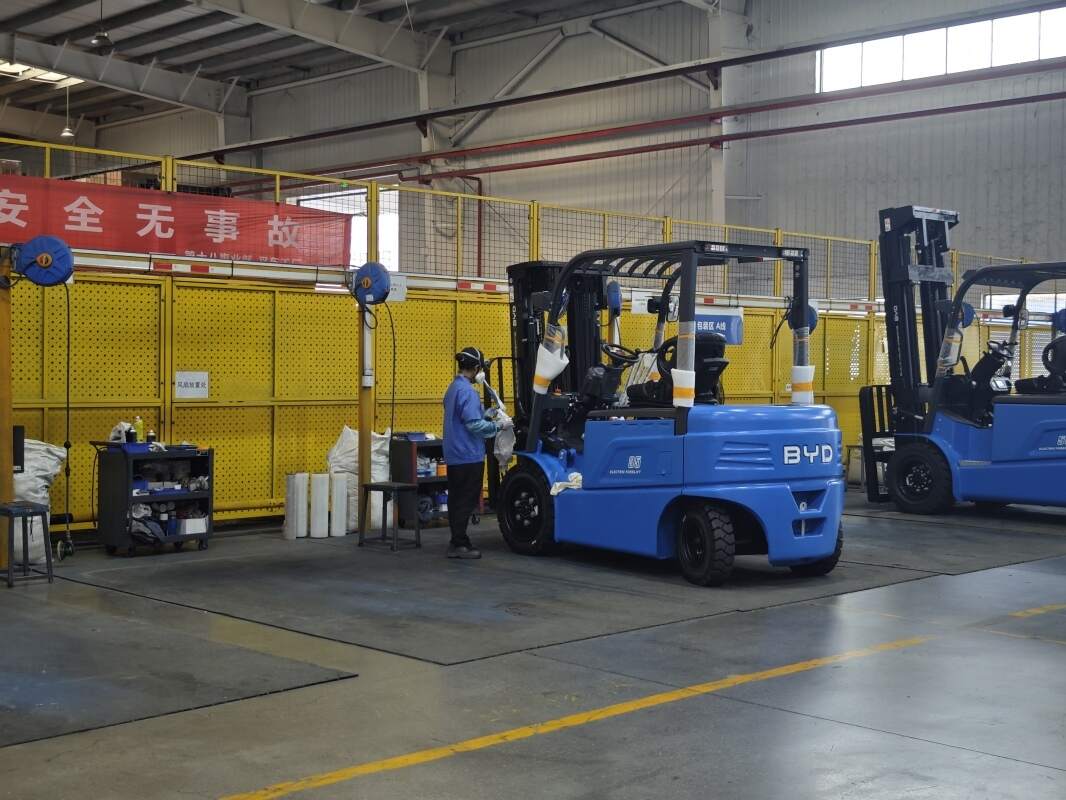
As the low-carbon logistics development trend accelerates across the industrial sector, electric forklifts have become one of the most widely applied material handling equipment in warehousing, manufacturing ports and retail distribution scenarios in recent years. Many frontline operators and warehouse managers still lack systematic, practical guidance to maximize the value of this type of equipment, avoid unnecessary loss and reduce potential operation risks.
Core Performance Characteristics of Electric Forklifts in Daily Operations
Unlike traditional internal combustion counterparts, electric forklifts rely on on-board battery packs to provide power output, which produces no exhaust emission during operation, and generates far lower noise level than fuel powered equipment. Most models are designed with compact body structure, flexible steering radius, which can adapt to narrow working aisles in dense storage warehouses, and the overall operation comfort for long shift workers is relatively better. The operating cost per unit working hour is also more controllable for long term continuous usage.
Key Daily Maintenance Practices to Prolong Equipment Service Life
Operators should complete simple inspection work before each shift, including checking the remaining battery level, the wear condition of tire surface, the flexibility of lifting mast and the sensitivity of brake system. After finishing daily work, the equipment should be parked in the designated area, the power supply should be cut off properly, and the battery pack should be charged following official specified protocols, avoid over discharging or overcharging the battery for long periods. Regular professional inspection of electrical components and wiring circuits also helps reduce hidden equipment failures, cut down unplanned downtime in peak operation periods.
Standard Operation Protocols to Lower Workplace Safety Risks
All operators should receive systematic pre-job training before independently using electric forklifts, strictly follow load limit requirements during working process, avoid overloading goods that exceed the rated load of the equipment. Operators should keep their sight clear when moving goods, avoid sharp turning at high speed, and do not carry extra passengers on the working platform of the equipment. For working scenarios on ramp or uneven ground, operators should keep the load side facing upwards to avoid goods slipping or equipment tipping over accidentally.


