
 English
 简体中文
 Русский
 Français
 Português
 Español


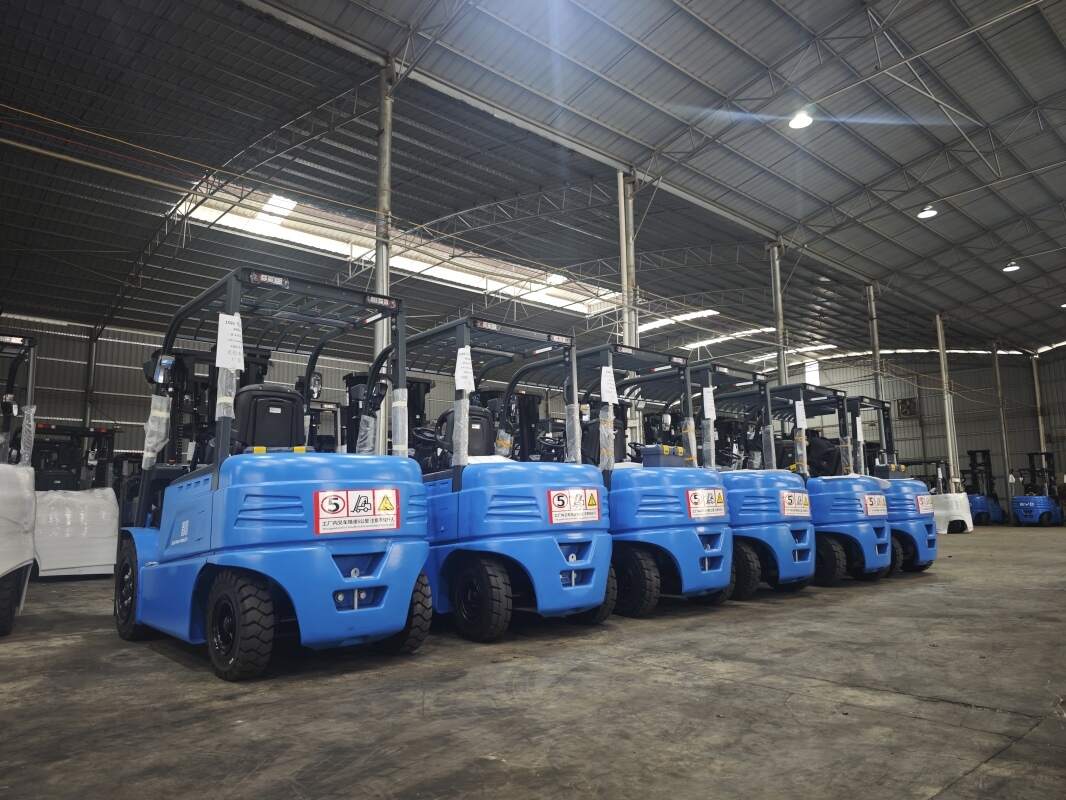
As the most widely applied indoor material handling equipment in modern logistics scenarios, electric forklifts feature low noise, zero local emissions and flexible maneuverability compared with internal combustion counterparts. Proper mastering of related operation, safety and maintenance knowledge can help on-site staff give full play to the equipment’s advantages while avoiding unnecessary operation risks and extra cost.
Pre-operation Check Specifications
Before starting any shift operation, operators need to complete a full range of non-starting checks first, including inspecting the remaining power level of the power unit, confirming the integrity of brake systems, steering components and load forks, checking the smoothness of lifting hydraulic structure, and verifying the normal display status of all instrument indicators. Any abnormal sign found in the check process should be reported to the management team in time, and the equipment cannot be put into use before hidden risks are fully eliminated.
Standard Operation Best Practices
During formal operation, operators need to strictly follow load capacity limits specified by the equipment parameter, avoid overloading goods that exceed the rated load weight to prevent tipping risk. When moving in narrow warehouse aisles, staff should control the traveling speed within the safe range, keep sufficient safety distance with surrounding shelves, personnel and other facilities, and avoid sharp turning or sudden braking actions as much as possible. When operating the lifting and descending function of the load forks, ensure no personnel stand under the lifting cargo or gantry structure to prevent accidental injury.
Daily Maintenance and Long-term Care Guidelines
After completing the daily operation shift, operators should park the equipment in the designated charging and storage area, lower the load forks to the horizontal position close to the ground, cut off the main power supply, and clean the dust and residual goods attached to the equipment surface. Regular maintenance work includes checking the wear condition of walking wheels, replenishing hydraulic oil as required, and completing routine charging work in strict accordance with the power unit’s operation requirements. Standardized daily care can effectively extend the overall service life of the equipment and reduce the frequency of unexpected failures in daily operation.


