
 English
 简体中文
 Русский
 Français
 Português
 Español


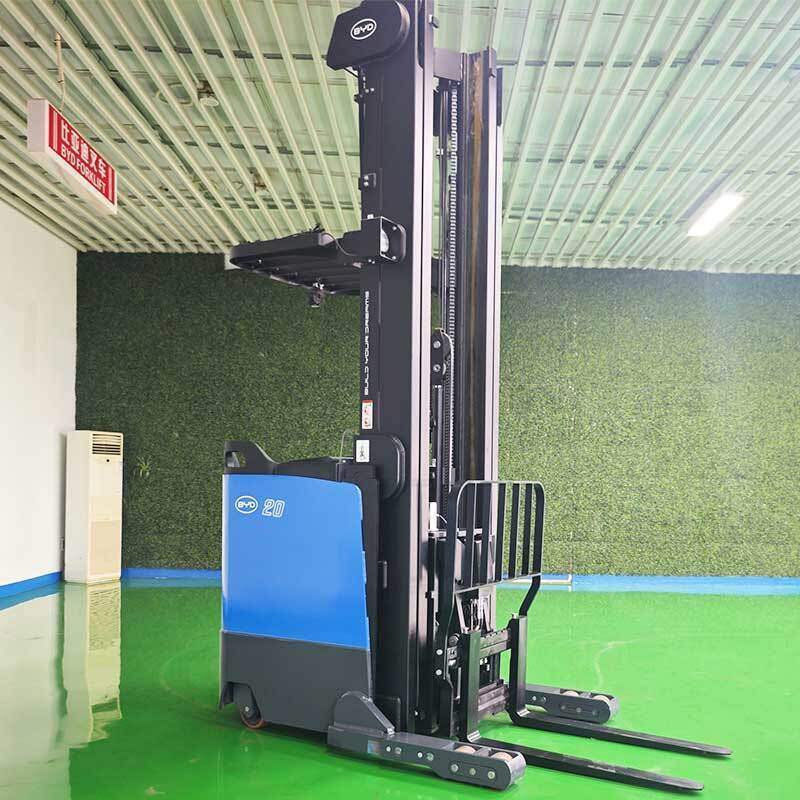
With the rapid development of modern green logistics and warehouse management, electric forklifts have become one of the most widely used material handling equipment in various industrial scenarios. Many frontline operators and warehouse managers still lack systematic cognition of the correct use and maintenance rules of such equipment, this guide sorts out practical, industry-recognized operation and management points for reference.
Core Performance Features of Electric Forklifts
Different from traditional internal combustion handling equipment, electric forklifts produce no exhaust emission at the working site, which is very suitable for closed warehouse spaces, food storage workshops and other scenarios with high requirements for environmental cleanliness. The overall operation noise is controlled at a relatively low level, which will not cause continuous disturbance to on-site staff during long-hour continuous operation. The power output of the whole machine is relatively stable, which can effectively reduce the jitter during the handling process of fragile and precision goods.
Standard Daily Operation Specifications
All on-site operators need to receive professional systematic training before officially operating the equipment. Before each start-up, operators need to check the integrity of the braking system, power indicator, fork structure and safety warning device. When carrying goods, the actual load shall not exceed the rated load range of the equipment. During driving, operators need to keep a safe distance from surrounding personnel and obstacles, keep low speed when passing through ramp areas, avoid sudden steering and emergency braking in normal driving state, and lower the fork and pull the handbrake when leaving the operation position for a long time.
Routine Maintenance Management Suggestions
After the daily operation is completed, operators should charge the equipment in time to avoid the battery being in a long-term power deficit state. It is recommended to check whether the power line interface is loose or accumulated with dust regularly, replace the hydraulic oil and worn tire parts according to the specified use cycle, and do not expose the equipment to rain or high corrosive environment for a long time. If the equipment is idle for more than one week, the battery should be supplemented with power regularly to maintain a good working state.
Scenario-based Deployment Optimization Suggestions
Warehouse managers can select equipment with matching parameters according to the actual channel width, average handling weight and daily working duration of the site. For short-distance high-frequency handling scenarios, small pedestrian electric forklifts can be selected, and for high-level shelf access scenarios, seat-type equipment with corresponding lifting height can be selected. Reasonable equipment deployment can further improve the overall operation turnover efficiency of the site.


