
 English
 简体中文
 Русский
 Français
 Português
 Español


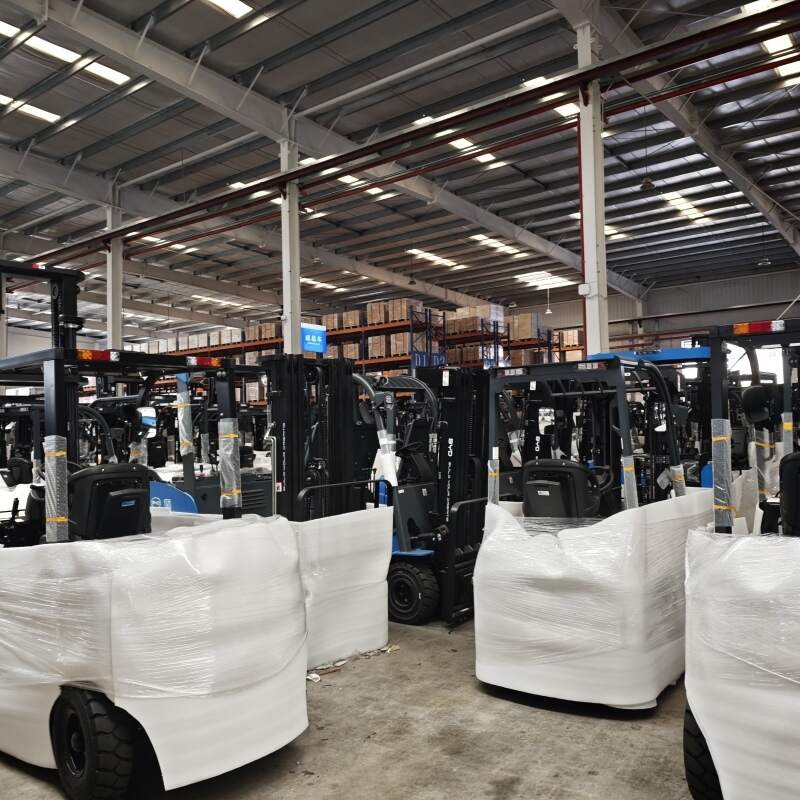
Against the background of growing demand for low-carbon and high-efficiency logistics operations, electric forklifts have gradually become the mainstream material handling equipment for most indoor storage scenarios, replacing a large number of traditional internal combustion counterparts in recent years. For frontline operators and warehouse managers, mastering systematic operation and maintenance knowledge can maximize the comprehensive value of this type of equipment.
Basic Performance Features of Standard Electric Forklifts
Different from fuel-powered equipment, electric forklifts rely on electric energy as the sole power source, which produces no local exhaust emission during operation, and the overall working noise is kept at a relatively low level that will not cause long-term noise disturbance to staff working in enclosed spaces. The energy consumption cost per unit running hour is far lower than the fuel cost of similar tonnage internal combustion models, which fits the low-carbon operation requirements of most modern storage systems. The whole power transmission structure is simpler than traditional fuel models, which reduces many regular maintenance links for power related components.
Standard Operation Specifications for Daily Use
Before each shift of operation, operators need to complete a quick pre-check process, including confirming the remaining battery level, testing the flexibility of the lifting and steering system, and checking the integrity of the warning lights. During operation, personnel should avoid exceeding the rated load limit, keep a low driving speed in narrow aisles, and decelerate in advance when turning to avoid cargo slipping. It is also not recommended to leave the equipment unattended when the power system is still connected and the fork is not lowered to the ground. New operators need to complete full operation training before independently driving the equipment in formal working scenarios.
Routine Maintenance Tips to Prolong Equipment Service Life
For the core power battery component, operators should wipe the electrode contacts regularly to avoid dust accumulation leading to poor conductivity, and avoid long-term full discharge during daily use. The transmission parts and wheel shaft can be lubricated on a fixed cycle to reduce unnecessary friction loss, and the surface of the equipment should be cleaned of spilled cargo residues in time to avoid corrosion of the shell and internal wiring. For equipment that will be left unused for more than two weeks, the battery should be maintained at 40% to 60% state of charge to avoid irreversible capacity loss.
Scenario Adaptation Suggestions for Special Working Environments
For working scenarios with high ambient humidity, operators can take simple protective measures for the exposed circuit interfaces to reduce the risk of moisture short circuit. For high-frequency continuous operation scenarios, reasonably arrange the opportunity charging process during non-peak rest periods to avoid sudden power outage in the middle of operation. For low-temperature environments below zero degrees Celsius, properly preheat the battery pack before starting operation to ensure stable power output.


