
 English
 简体中文
 Русский
 Français
 Português
 Español


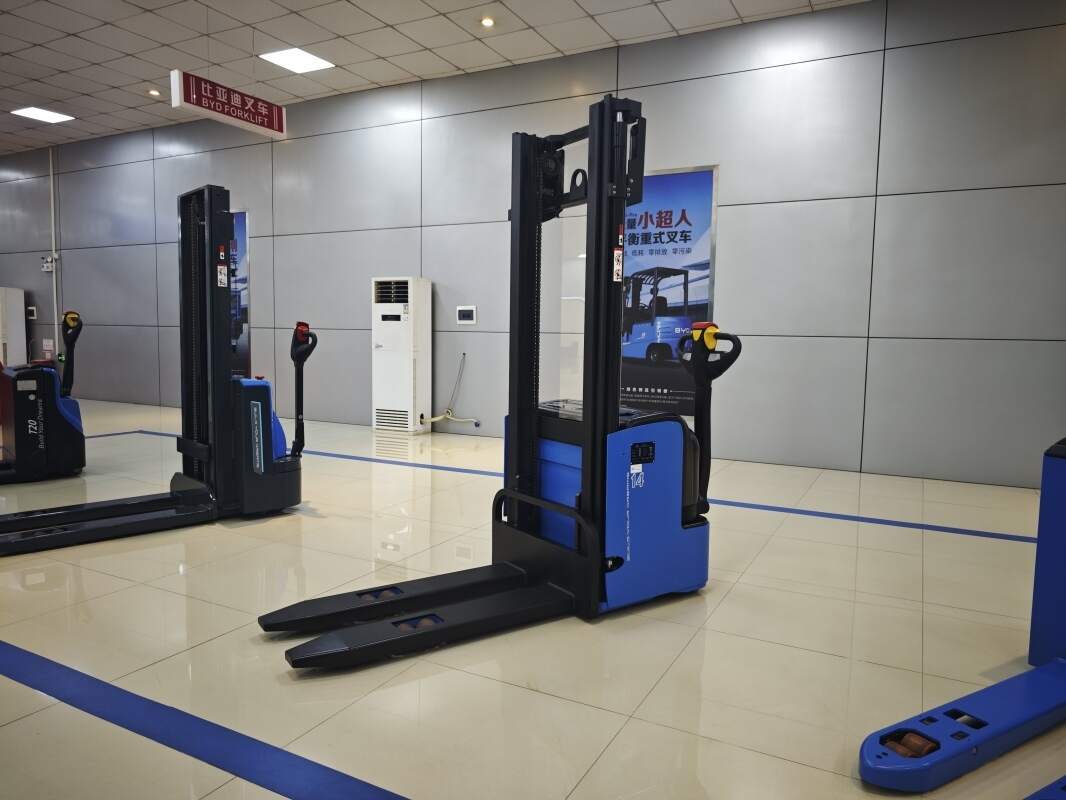
In recent years, low-carbon and environment-friendly operation concepts have been widely promoted in the global logistics and industrial storage sectors, making electric forklifts one of the most popular material handling equipment for different operation scenarios. Many front-line operators and equipment managers still have space to further improve their cognition of electric forklift performance, use norms and efficiency optimization, which can help them get better use value from the equipment.
Core Application Advantages of Electric Forklifts
Different from traditional internal combustion handling equipment, electric forklifts produce no exhaust emission on the operation site, and the overall operation noise is controlled at a relatively low level. These characteristics make them very suitable for closed warehouse spaces, cold storage, food processing workshops and other scenarios that have strict requirements for air environment and operation comfort. The vibration generated during the operation of electric forklifts is also relatively small, which can effectively reduce the risk of collision and damage to fragile goods in the handling process, and create a safer working environment for on-site staff.
Key Points of Daily Routine Maintenance
To maintain the stable performance of electric forklifts for a long time, operators need to complete standardized daily inspection work before and after each shift. It is necessary to regularly clean the contact points of the power system, check the wear degree of solid tires, and confirm whether there is oil leakage in the hydraulic lifting system. It is not recommended to overcharge or fully discharge the power battery module, and keep the battery power in a reasonable range when the equipment is idle for a long time, which can effectively extend the overall service life of the equipment and reduce the long-term operation cost.
Operation Optimization for Higher Working Efficiency
Enterprises can organize regular standardized training for electric forklift operators, to make them fully familiar with the operation parameters and load limit of the equipment. When carrying out handling work, the on-site management team can plan a reasonable operation route according to the layout of the warehouse, avoid frequent sharp turning or long-distance overload operation, and adjust the driving speed according to the width of the operation channel, so as to balance the operation safety and the overall work efficiency. Reasonable operation habits can also reduce the failure rate of equipment, and avoid unnecessary downtime loss in the peak operation period. With the continuous maturity of related technology, electric forklifts can adapt to more diversified industrial handling scenarios in the future, bringing more stable support for the upgrading of logistics operation.


