
 English
 简体中文
 Русский
 Français
 Português
 Español


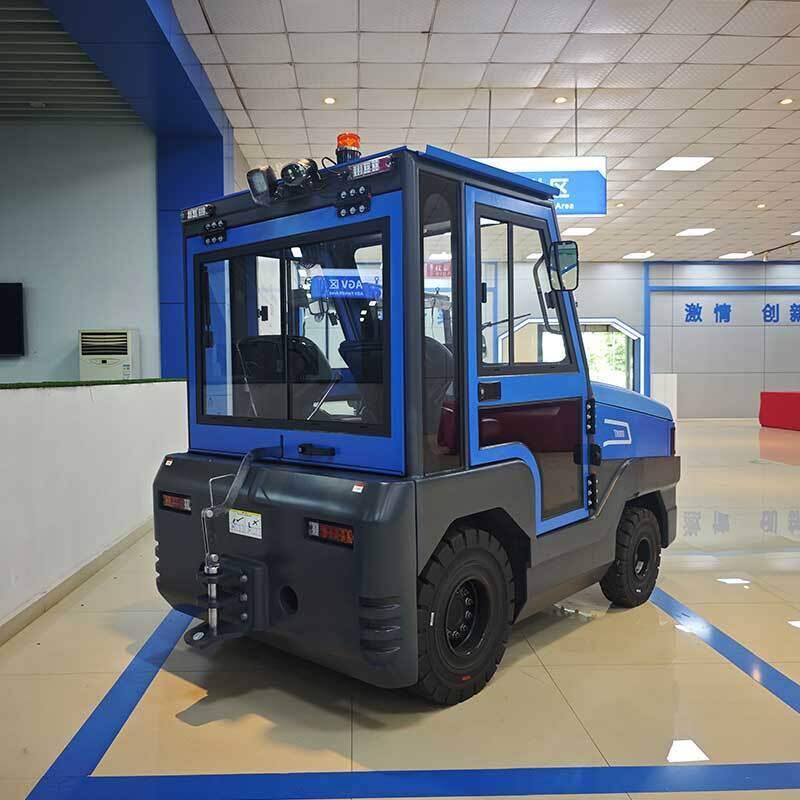
With the continuous development of modern logistics industry, electric forklifts have been widely adopted in various indoor and semi-outdoor material handling scenarios for their low noise, zero local emission and relatively low long-term operation cost. Many front-line operators and warehouse managers hope to master more practical professional knowledge to give full play to the equipment’s advantages while reducing unnecessary wear and failure risks.
Core Daily Operating Norms
Before each shift of operation, operators need to complete basic pre-start checks, including confirming the remaining power level, testing the sensitivity of the braking system, checking the integrity of the load fork and the safety protection structure around the operating cab. During the operation process, staff need to strictly follow the rated load parameter of the equipment, avoid overloading beyond the specified limit, and adjust the driving speed dynamically according to the ground condition, cargo height and surrounding pedestrian flow. When operating on ramp sections, operators should keep the cargo face upward, avoid turning on the ramp, and keep a stable driving speed to prevent the cargo from slipping off.
Routine Maintenance Implementation Points
For the power system, staff should follow the corresponding charging specifications according to the battery type, avoid long-term over-discharge and full-load uninterrupted charging for more than the specified time, and regularly clean the dust and accumulated dirt on the power connection contact points to keep the conductivity stable. For the hydraulic lifting system, you can check the hydraulic oil level regularly according to the actual use frequency, replace the lubricating grease of the moving parts on schedule, and check the wear degree of the driving wheel and load wheel regularly to avoid abnormal vibration caused by excessive wear. It is not recommended to park the equipment in the high humidity, high temperature or corrosive environment for a long time, so as to reduce the risk of circuit aging.
Scenario-Based Efficiency Optimization Suggestions
For narrow aisle operation scenarios, operators can adjust the corresponding operation mode according to the actual equipment parameters, reasonably plan the cargo access route to reduce unnecessary turning and reversing actions. For multi-shift continuous operation scenarios, the site can arrange reasonable power swap or charging scheduling according to the actual operation intensity, to avoid sudden power shortage that affects the normal work rhythm. Regular professional performance calibration for the equipment can help keep the energy consumption in a relatively stable range, further improve the overall operation efficiency of the material handling link.


