
 English
 简体中文
 Русский
 Français
 Português
 Español


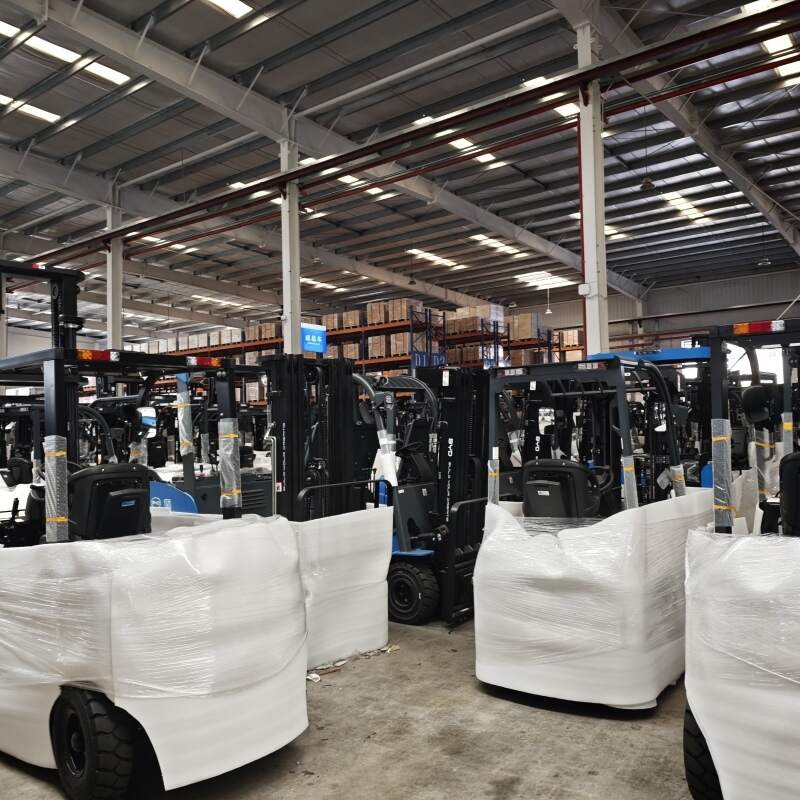
Against the backdrop of low-carbon logistics development, electric forklifts have gradually become the mainstream material handling equipment for most indoor and semi-outdoor operation scenarios, with obvious advantages in low noise, zero local emission and relatively low daily operating cost. To give full play to the inherent performance of this type of equipment, operators and warehouse managers need to form a set of standardized usage and management system that fits actual operation scenarios.
Core Pre-operation Inspection Protocols
Before each shift of operation, operators need to complete a quick full-condition check, covering remaining battery level, brake response sensitivity, hydraulic lifting system sealing status, tire surface wear degree and emergency stop button functionality. These 3 to 5 minutes of pre-check can effectively avoid sudden small faults that interrupt normal operation, and eliminate potential safety risks in advance. Operators should not skip the inspection process for the sake of saving operation time, nor operate the equipment with obvious abnormal warning prompts.
Scenario-based Operation Efficiency Optimization
For different operation scenarios such as narrow aisle storage, heavy goods stacking and outdoor short-distance material transfer, operators can adjust operation habits to reduce unnecessary energy consumption. Avoid frequent sharp acceleration and sudden braking during driving, arrange the operation sequence reasonably according to the goods picking and placing route, which can effectively extend the single continuous working time of the equipment. For long-distance transfer across different working areas, operators should choose a flat and unobstructed special passage to reduce the extra load caused by road bumping to the walking system.
Routine Maintenance Practices for Extended Service Life
Regular daily and weekly maintenance can help the equipment maintain stable performance for a long time. Operators should keep the battery surface and contact points clean and dry, avoid overcharging or completely draining the power supply, and add appropriate lubricating oil to the movable connection parts of the gantry and walking system according to the specified cycle. The professional maintenance team can regularly calibrate the sensing parts of the safety system, so as to reduce the frequency of unexpected faults in long-term operation. Standardized operation and targeted maintenance can not only improve the daily operation efficiency of material handling, but also reduce the comprehensive operating cost of the equipment within its full life cycle, creating more stable value for the daily operation of the warehouse.


