
 English
 简体中文
 Русский
 Français
 Português
 Español


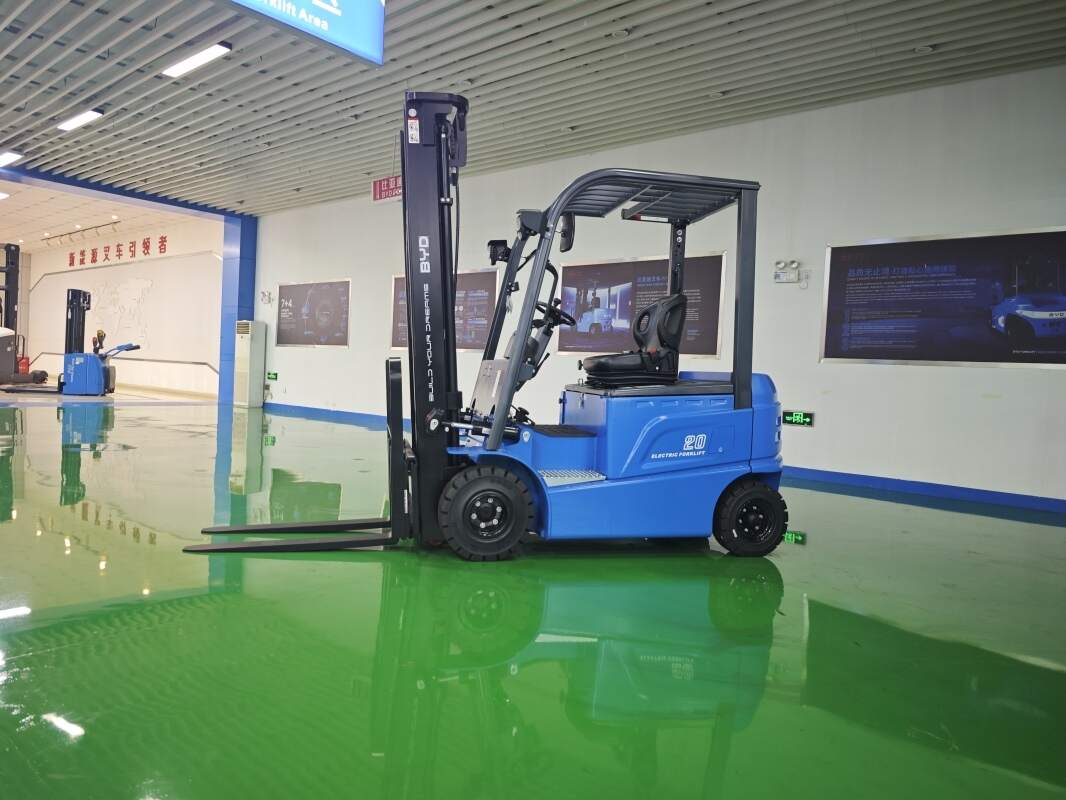
Against the backdrop of growing low-carbon industrial operation demands, electric forklifts have gradually become a mainstream option for indoor and semi-outdoor material handling scenarios, replacing a large number of traditional internal combustion counterparts in recent years. Unlike fuel-powered equipment that relies on fossil energy supply, electric forklifts operate with power stored in rechargeable battery packs, bringing distinct operational characteristics that fit the current development trend of logistics and manufacturing sectors.
Core Operational Advantages of Electric Forklifts
Different from traditional forklifts with combustion engines, electric forklifts produce zero exhaust emission during the whole operation process, which avoids air pollution in enclosed warehouse spaces and reduces the risk of operator discomfort caused by exhaust gas accumulation. The noise level of electric drive systems is far lower than that of internal combustion structures, so the working environment will not generate excessive noise interference that affects on-site staff communication and long-term occupational health. The operation accuracy of electric forklifts is relatively higher, and the adjustment of walking and lifting speed can be completed through sensitive electric control systems, which reduces the operation difficulty for new operators to a certain extent. The energy cost of daily operation is also relatively lower compared with the cost of fossil fuel consumption in the same working hour.
Common Application Scenarios for Electric Forklifts
Electric forklifts are widely used in closed warehouse storage areas, food and pharmaceutical production workshops, cold chain logistics distribution centers, and other scenarios that have strict requirements for environmental cleanliness and operation noise. For light to medium weight material handling tasks within the load design range, electric forklifts can complete cargo stacking, horizontal transfer, loading and unloading operations stably, and their flexible body size can adapt to narrow channel operation conditions in high-density storage warehouses, effectively improving the utilization rate of warehouse storage space. Many operation teams also arrange electric forklifts for short-distance cargo transfer in production workshops to avoid the potential safety hazard caused by fuel equipment moving back and forth in the production area.
Daily Maintenance Points for Extended Service Life
Regular routine inspection is the core measure to keep electric forklifts in good working condition. Operators need to check the remaining battery power before each shift, confirm that the appearance of the battery pack has no damage or liquid leakage, and keep the power connection interface dry and clean to avoid poor contact. It is also necessary to regularly check the wear degree of walking wheels, the flexibility of lifting hydraulic structure, and the sensitivity of brake and steering systems, and arrange professional personnel to troubleshoot hidden faults in time, so as to reduce the unexpected shutdown rate of the equipment in daily use. As the supporting infrastructure of charging and related industrial supporting services continues to improve, the applicable coverage of electric forklifts will be further expanded in more industrial scenarios, bringing more feasible low-carbon operation solutions for the whole material handling sector.


