
 English
 简体中文
 Русский
 Français
 Português
 Español


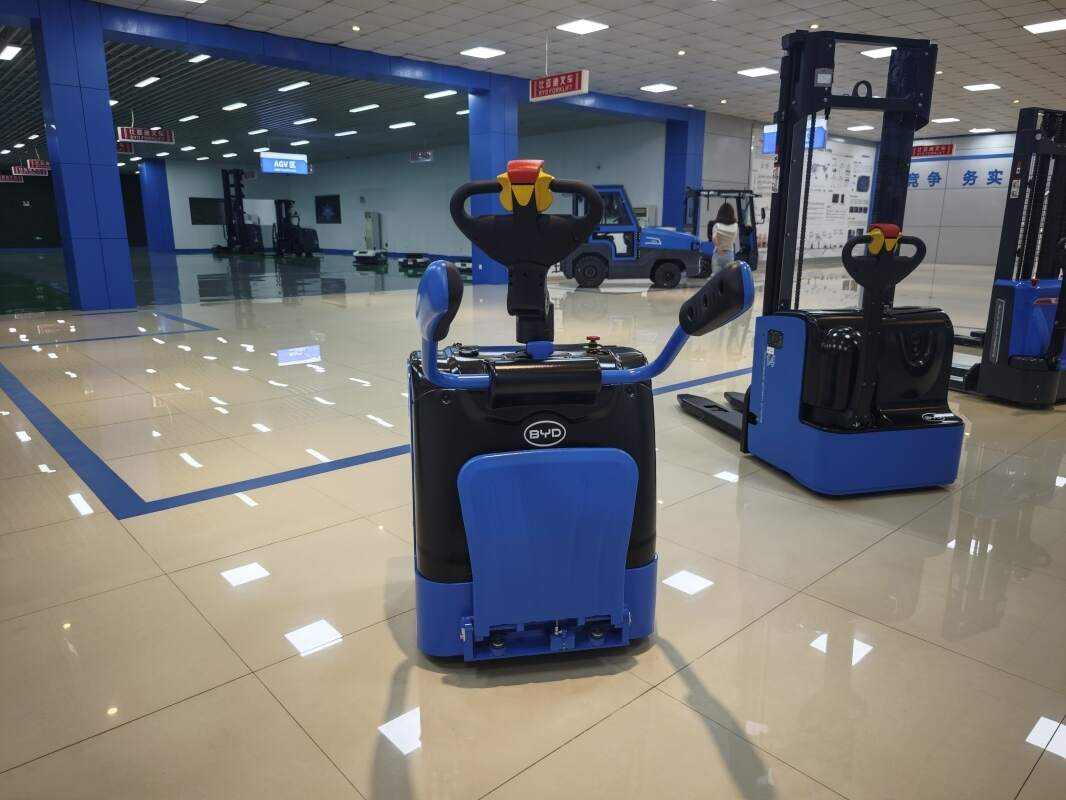
As low-carbon logistics and refined warehouse management gradually gain wider recognition across the material handling sector, electric forklifts have become a widely adopted core equipment for indoor and semi-outdoor cargo transportation, stacking and loading work. Mastering systematic usage rules and relevant professional knowledge helps operators give full play to the equipment’s inherent performance while extending its overall service life effectively.
Basic Safety Operation Specifications
Before starting any operation, operators need to conduct full pre-use checks covering power status, brake sensitivity, lifting mechanism flexibility and tire surface condition. During moving process, operators should keep a proper observation distance from surrounding personnel and obstacles, avoid sharp steering under full load, and never carry any unrelated passengers on the vehicle body. When the equipment stops for more than 10 minutes, the operating handle should be locked and the main power switch should be cut off to avoid unexpected misoperation by unrelated personnel in the working area.
Daily Routine Maintenance Points
Different from traditional internal combustion forklifts, electric forklifts focus more on the maintenance of power system and electrical components. Operators should clean the dust and accumulated debris on the surface of the power unit after each shift, check the wiring connectors for looseness or corrosion regularly, and avoid long-term overcharging that may cause hidden damage to the battery pack. The lubrication of the lifting slide rail and transmission parts should be completed in accordance with the specified cycle, and the deteriorated old lubricating oil should be replaced in time to reduce unnecessary friction wear between metal components.
Energy Efficiency Optimization Tips
Reasonable operation habits can effectively extend the continuous working time of a single charge. Operators should avoid frequent rapid acceleration and sudden braking in the process of transporting goods, plan the transportation path in advance to reduce unnecessary empty driving mileage, and try to arrange the charging process in a well-ventilated, constant temperature environment, which can maintain the power storage performance of the battery pack for a long time. For multi-shift operation scenarios, a reasonable rotation arrangement of charging and using equipment can avoid the situation that the power is exhausted suddenly during peak operation hours.


