
 English
 简体中文
 Русский
 Français
 Português
 Español


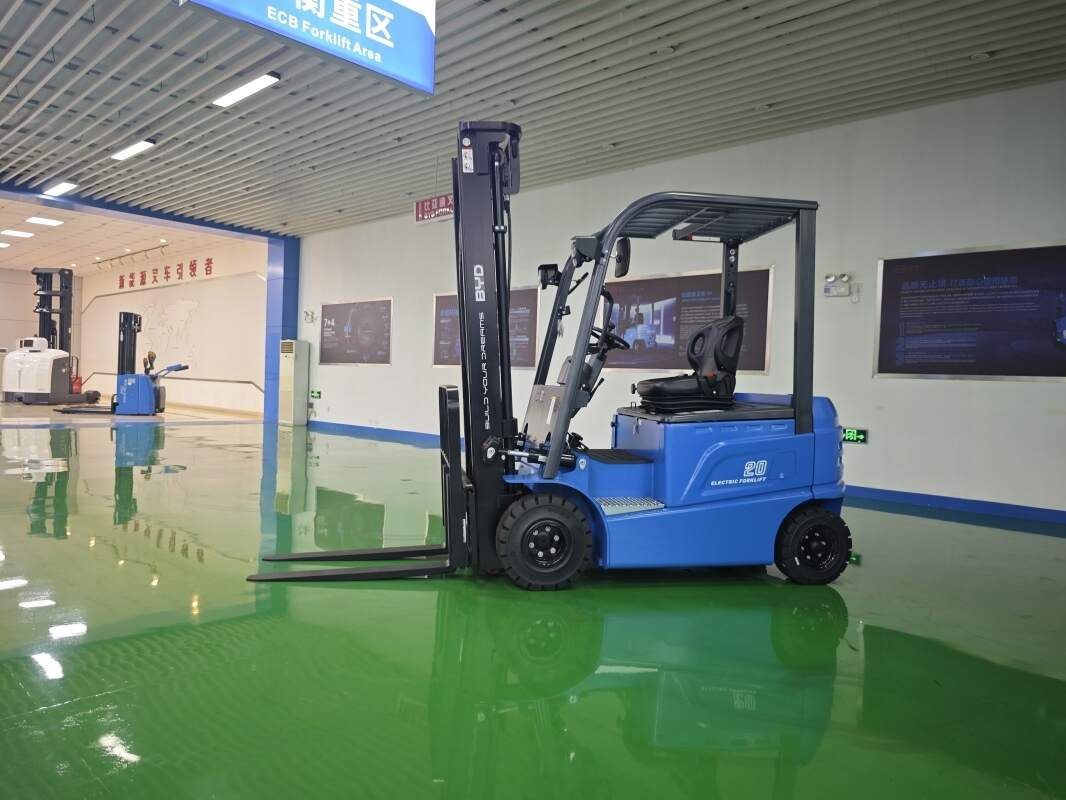
Nowadays, electric forklifts have become one of the most widely used material handling equipment in modern warehousing, manufacturing and distribution scenarios, with the advantages of low noise, zero local emission and flexible operation. Many practitioners in the logistics industry still lack systematic understanding of standardized use and daily care for such equipment, which may lead to shortened service life, unexpected downtime and extra operation cost in long-term use.
Core Pre-operation Inspection Specifications
Before starting each shift’s operation, operators need to complete a set of standard simple checks instead of directly starting handling tasks. The inspection scope covers remaining battery power, the flexibility of braking and steering systems, the surface wear condition of forks, the sealing status of hydraulic pipelines and the intactness of warning lights. These checks only take several minutes to finish, and can effectively help users identify minor hidden risks in advance, avoiding sudden equipment failure in the middle of high-intensity handling tasks that may interrupt the whole operation rhythm.
Standardized Operation Habits to Reduce Unnecessary Wear
Operators need to receive systematic professional training before independently using electric forklifts. They should follow the rated load parameter of the equipment in daily work, avoid long-time overloading operation, and reduce frequent sharp acceleration and sharp braking actions during traveling. When the equipment is parked for a long time, operators should lower the forks to contact the ground, to avoid long-term pressure on the hydraulic lifting system. They also need to adjust traveling speed according to the site ground condition, bypass sharp sundries and uneven potholes properly to reduce tire wear.
Scientific Battery Care and Regular Maintenance
The power battery is the core component of electric forklifts, and proper care can effectively maintain its stable performance. It is recommended to charge the battery in time after the discharge depth reaches the set threshold, and avoid long-time over-discharge that may cause irreversible damage to the battery structure. The charging area should be kept dry and well-ventilated, and avoid placing the equipment in environment with extreme high or low temperature for a long time during charging. Users can arrange professional personnel to regularly clean the accumulated dust on the surface of motor and controller, and replace wearing parts according to the cycle recommended by the equipment manual, so as to keep the equipment in good working condition for a long period.


