
 English
 简体中文
 Русский
 Français
 Português
 Español


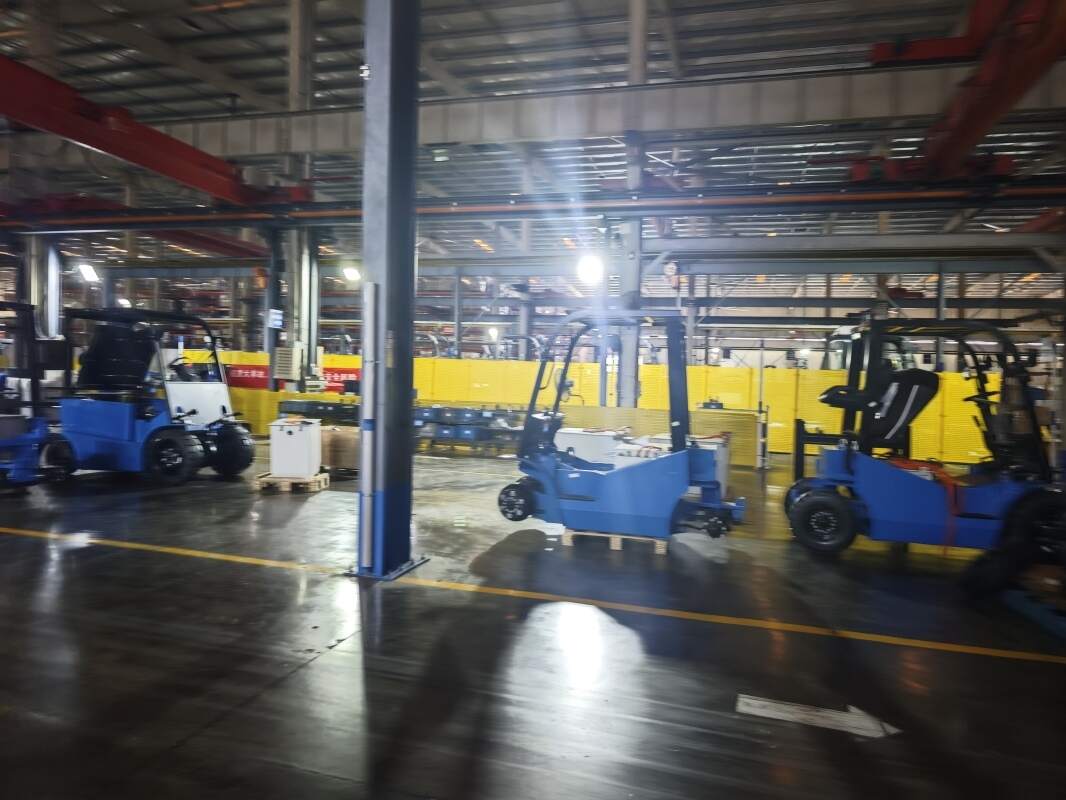
As low-carbon logistics and warehouse operation concepts gain wider recognition across the industrial sector, electric forklifts have gradually become the preferred material handling equipment for most storage, manufacturing and distribution scenarios, replacing a large share of internal combustion counterparts in recent years. Proper mastery of relevant operation and maintenance knowledge can help operation teams maximize the value of the equipment while reducing unnecessary operating costs.
Core Advantages of Electric Forklifts in Modern Material Handling
Different from fuel-powered industrial vehicles, electric forklifts rely on electric motor drive systems, which produce no exhaust emissions during operation. This feature makes them suitable for use in enclosed spaces such as indoor warehouses, food processing workshops and cold storage facilities where air quality control requirements are relatively strict. The overall noise level of electric forklifts during operation is also significantly lower than that of internal combustion models, which helps reduce noise interference to surrounding working staff and improve the comfort of long-hour shift operations. In terms of energy consumption, the operating cost per unit time of electric forklifts is usually lower than that of fuel-driven models, which can bring long-term cost optimization benefits for enterprises with high frequency of material handling tasks.
Standard Operation Tips to Extend Service Life
Operators need to receive systematic professional training before formally taking up the post, to be familiar with the basic parameters, load range and operation limit rules of the electric forklift they use. Before each shift, operators should check the remaining power status, brake sensitivity, lifting function flexibility and tire surface condition of the equipment, and put an end to overloading operations that exceed the rated load limit. During the driving process, operators should avoid sudden acceleration and sudden braking as much as possible, keep a safe distance from surrounding goods, personnel and passage barriers, and reduce the collision damage to the vehicle body and internal components caused by improper operation. When the equipment is not in use, it should be parked in a designated flat area, the lifting fork should be lowered to a position 10 to 15 centimeters above the ground, and the power supply should be cut off in time to avoid unnecessary power consumption.
Routine Maintenance Notes for Stable Daily Performance
The regular maintenance work of electric forklifts mainly focuses on the core power system, walking components and hydraulic lifting structure. The power battery pack should be charged in strict accordance with the specified operation rules, avoid over-discharging the battery for a long time, and keep the surface of the battery pack clean and dry to prevent short circuit risks caused by accumulated dust and water stains. The connecting parts of the hydraulic system should be checked regularly for oil leakage, and the hydraulic oil should be replaced on a regular cycle according to the usage frequency to ensure the stability of the lifting and tilting function. The wear degree of walking wheels, brake pads and other vulnerable parts should be inspected at a fixed cycle, and replace the parts that exceed the wear limit in time to avoid potential safety hazards during operation. Scientific and reasonable daily maintenance can effectively reduce the failure rate of electric forklifts, extend the overall service cycle of the equipment, and create more stable value for material handling operations.


