
 English
 简体中文
 Русский
 Français
 Português
 Español


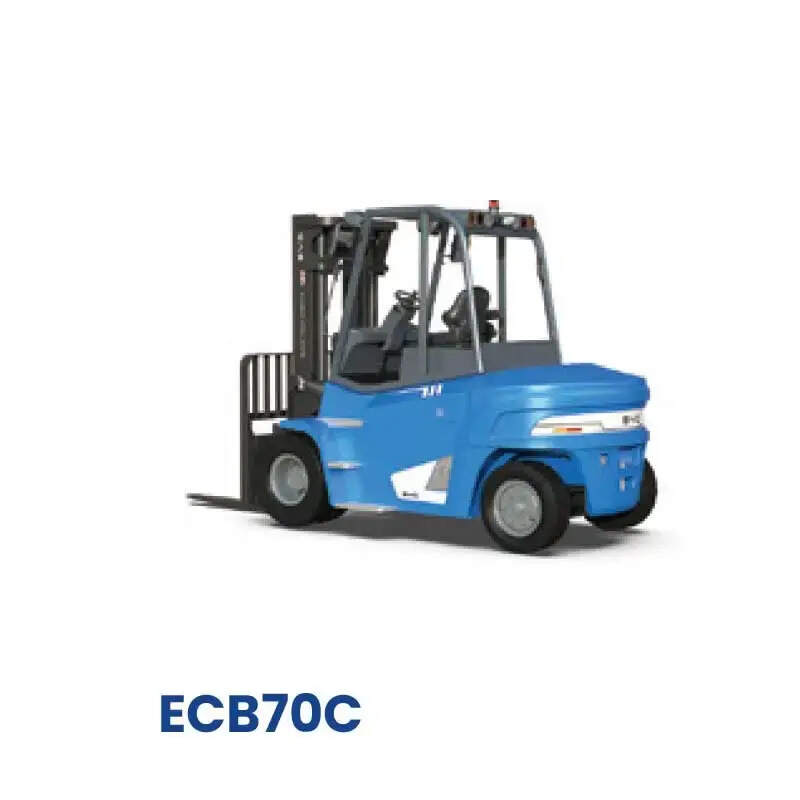
As the core equipment of modern logistics and manufacturing material handling systems, electric forklifts have been widely adopted across various industrial scenarios in recent years. Mastering standard operation rules and scientific maintenance methods helps users give full play to the equipment’s advantages, and reduce unnecessary operational risks and extra costs in daily use.
Core Performance Characteristics of Electric Forklifts
Different from traditional fuel-powered handling equipment, electric forklifts rely on electric power drive, which produces no local exhaust emission during operation, and generates relatively low running noise that fits well in enclosed indoor working environments such as food storage warehouses, pharmaceutical production workshops and e-commerce fulfillment centers. Most models support multiple operation mode adjustments to meet the load requirements of different working conditions, covering light-duty small cargo sorting and heavy-duty large pallet long-distance transfer scenarios.
Standard Daily Operation Specifications
Before starting each shift, operators need to complete a full pre-use check, including confirming the remaining power level, testing the braking and steering sensitivity, checking the abrasion status of the lifting chain and the integrity of the fork structure. During operation, avoid sudden acceleration or emergency brake actions that may cause cargo falling or equipment structure damage, keep the running speed matched with the on-site road condition, and slow down sufficiently when passing corners, shelf aisles and pedestrian gathering areas. Operators should not carry over-limit loads beyond the rated load marked on the equipment nameplate, and keep the cargo in stable centering state on the forks during transfer.
Scientific Regular Maintenance Suggestions
For the energy storage unit of electric forklifts, users need to follow the official charging specifications to avoid over-discharge or over-charge behaviors that affect the battery cycle life. If the equipment needs to be stored for a long period, it is recommended to complete a supplementary charge every 10 to 14 days to keep the battery activity in a proper state. The wiring connectors and control panels need to be cleaned regularly to avoid dust accumulation and moisture oxidation that may cause poor circuit contact. All movable transmission parts can be added with special lubricant on schedule to reduce friction loss and lower abnormal wear.
On-site Safety Compliance Reminders
All operators need to complete professional skill training before independent post operation, and wear necessary protective work gears as required. The forklift working area should be marked with obvious warning signs to separate pedestrian passages and equipment operation zones. When lifting high-position cargos, no staff is allowed to stay or pass under the lifting mechanism to prevent accidental injury caused by falling objects. By following the above operation and maintenance rules, enterprises can effectively improve the stability of electric forklifts in long-term operation, and promote the overall operation efficiency of the whole material handling system.


