
 English
 简体中文
 Русский
 Français
 Português
 Español


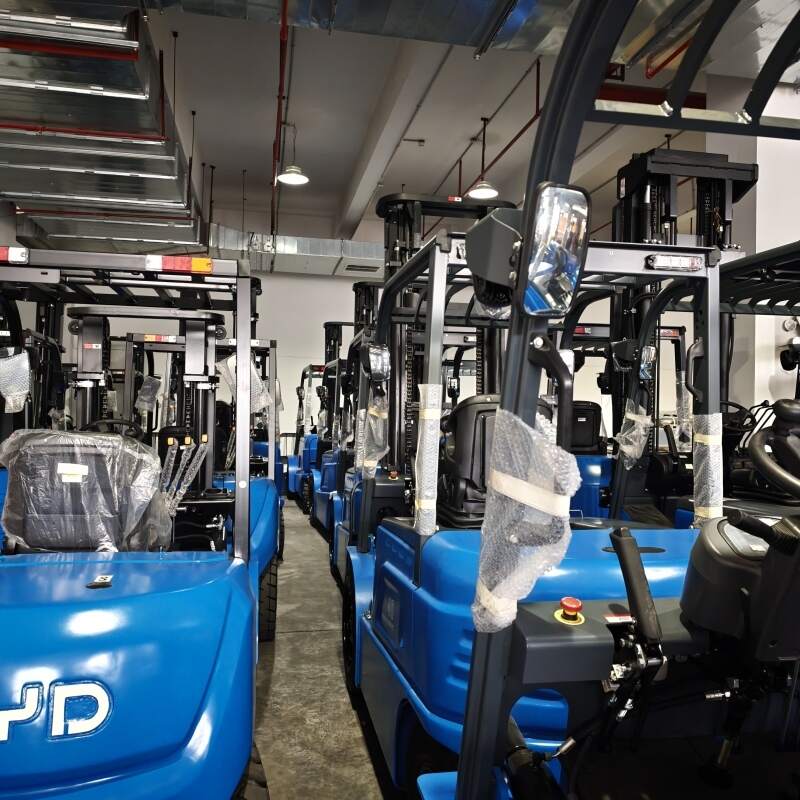
As warehouse logistics and material handling sectors keep developing, electric forklifts have become one of the most widely adopted equipment options for low-emission, low-noise internal operation scenarios. Many frontline operators and facility managers still lack systematic, practical guidance to make the most of this type of equipment, reduce unnecessary wear, and ensure stable daily performance.
Core Pre-Operation Inspection Protocols
Before starting any shift, operators are suggested to complete a full range of basic checks that cover key components, including the brake system, lifting mechanism, tire condition, and remaining battery capacity. They should also confirm no obvious oil leakage, abnormal loose parts on the load fork, or obstacles blocking the operation warning lights and sound prompts. Any abnormal sign found during inspection should be recorded and reported to the management team in time, rather than trying to run the equipment with hidden risks.
Standard Operation Best Practices for Daily Use
During the operation process, operators need to keep the load center within the specified range stated in the equipment operation manual, avoid overloading the equipment beyond its rated load limit, and keep the load 10 to 15 centimeters above the ground when traveling on uneven warehouse floors. It is not recommended to carry out sharp turning, sudden braking or frequent high-speed lifting actions in narrow aisles, as these actions may increase wear of the transmission system and bring potential safety risks to surrounding personnel and stored goods. Operators should also keep full attention on the surrounding environment, and slow down when passing through intersections, pedestrian passages and unloading platforms.
Routine Maintenance to Extend Equipment Service Life
After finishing each shift, operators should park the electric forklift in the designated dedicated area, lower the load fork completely to contact the ground, turn off the power switch, and clean up dust, debris and residual goods attached to the equipment body and load fork regularly. For the power system, users are suggested to follow the specified charging rules, avoid long term full discharge or long time overcharging, and keep the surface of the battery pack clean and dry to reduce the risk of abnormal energy consumption. Regular professional inspection of the motor, control panel and circuit system can help identify potential hidden issues at an early stage, avoid unexpected downtime that may disrupt normal operation schedules.
Energy Management Tips for Long Shift Operations
For facilities that need to run electric forklifts for continuous multi-shift operation, arranging proper rest and cooling time for the equipment during high-intensity operation can effectively stabilize its working performance. Reasonable route planning to reduce unnecessary long-distance empty driving can also cut down extra energy consumption, and help teams arrange charging schedules more reasonably to support stable daily material handling efficiency.


