
 English
 简体中文
 Русский
 Français
 Português
 Español


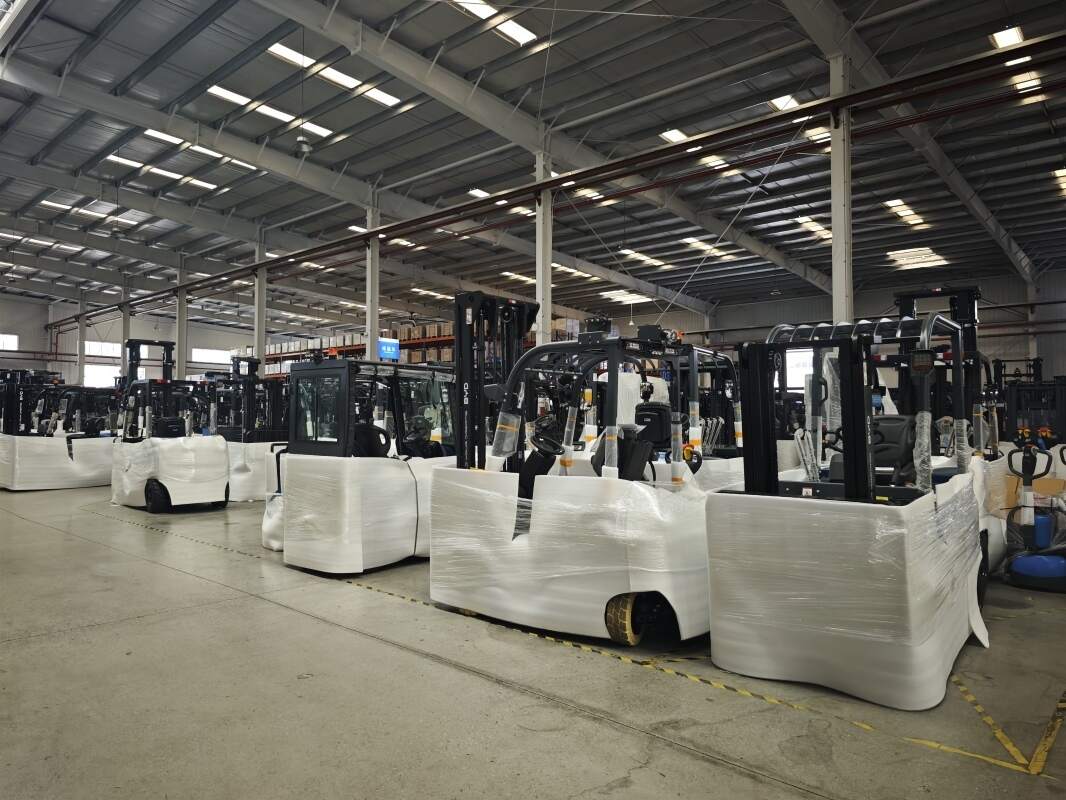
As the application scope of electric forklifts continues to expand in modern warehousing, manufacturing and logistics scenarios, most operation teams are eager to get systematic practical guidance to maximize the comprehensive value of this low-noise, low-emission material handling equipment. Mastering the core operation rules, standardized maintenance workflows and reasonable efficiency optimization skills can help teams effectively avoid unnecessary operating costs, and reduce potential hidden safety risks in daily working scenarios.
Basic Safe Operation Specifications for Electric Forklifts
All operators need to complete standardized pre-job skill training before officially using the equipment, and finish a full set of pre-start checks including battery power status, brake sensitivity, lifting arm flexibility and warning indicator function before the start of each shift. In the actual operation process, operators should keep the load center within the allowable range specified by the equipment parameters, avoid sharp steering and sudden acceleration when carrying heavy loads, and never allow extra personnel to stand on the fork arms for transportation or auxiliary operation. When the forklift travels in narrow warehouse aisles, operators should slow down appropriately and sound the warning device in advance, to remind nearby walking staff to dodge in time and avoid potential collision risks.
Routine Daily Maintenance Guidelines
Different from traditional internal combustion forklifts, electric forklifts put more emphasis on the maintenance of power systems and precision electrical components. After each shift ends, operators should wipe the surface of the battery shell to remove accumulated dust and residual moisture, check the cable connection interface for looseness or corrosion, and park the equipment in the designated ventilated charging area for standardized charging. The regular weekly inspection items include checking the wear condition of solid tires, cleaning the dust accumulated in the motor heat dissipation area, and testing the operation stability of the hydraulic lifting system. These simple regular maintenance steps can effectively reduce the overall equipment failure rate, and extend the service life of core components to a reasonable extent.
Usage Efficiency Optimization Tips
Reasonable route planning in daily material handling work can effectively reduce the no-load driving time of electric forklifts, which helps cut unnecessary power consumption and improve the operation turnover efficiency of a single shift. Operation teams can arrange the storage position of high-frequency access goods in the shelf area with convenient access, to reduce the repeated adjustment of the forklift's lifting height during operation. When the equipment is idle for more than 10 minutes during the working process, operators can turn off the standby power system to avoid unnecessary power loss, which can extend the continuous working time after a single full charge to a certain degree.


