
 English
 简体中文
 Русский
 Français
 Português
 Español


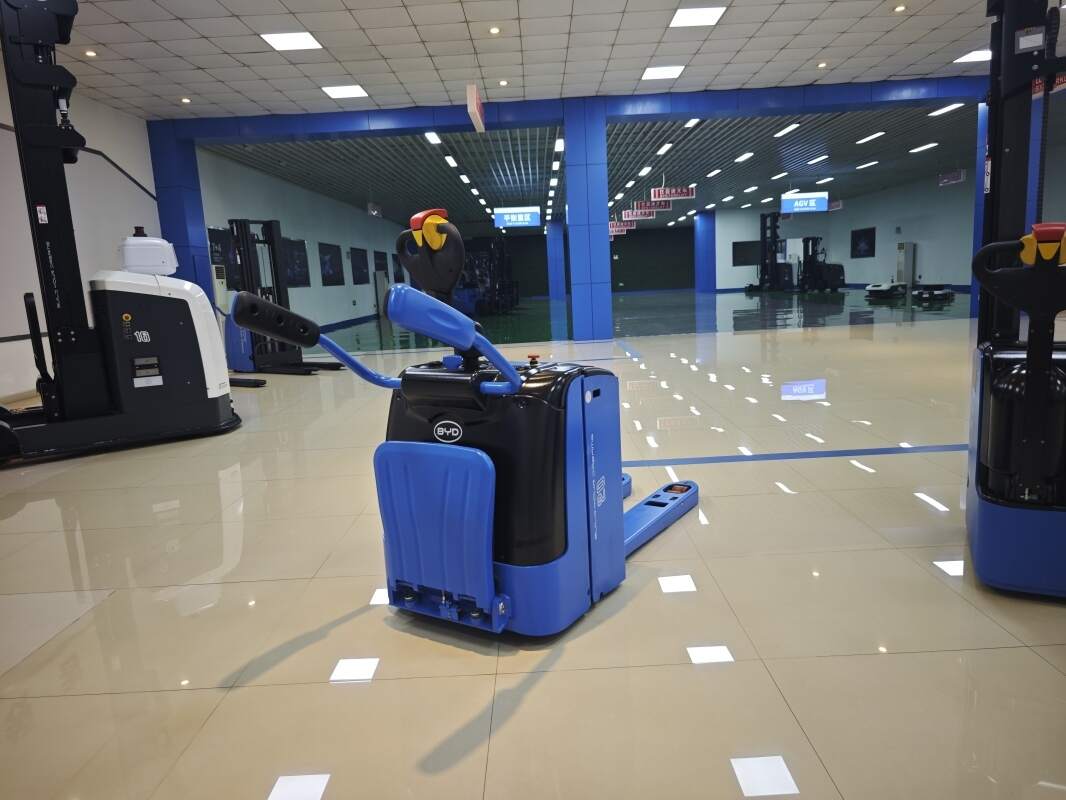
Electric forklifts have become core support equipment for modern material handling and warehouse logistics operations, featuring low local noise, zero on-site emissions and flexible maneuverability. Proper operation and regular standardized maintenance can effectively extend the stable service cycle of equipment, lower long-term operating cost, and bring more stable operation experience for different logistics scenarios.
Standardized Daily Operation Norms
All operators need to receive systematic pre-job training to get familiar with the basic performance parameters of the equipment, including rated load capacity, maximum lifting height and allowable traveling speed. During daily operation, operators should observe surrounding environment continuously when starting, steering and lifting the gantry, to avoid collision with shelves, passing staff or other surrounding facilities. It is not recommended to carry out frequent sharp acceleration, sharp steering or emergency brake in conventional operation scenarios, to reduce unnecessary wear of power transmission structure and running components. When the vehicle stops operation for a long time, operators should cut off the main power supply in time, and avoid parking on non-specified slopes to prevent potential safety risks.
Key Points of Routine Equipment Maintenance
Operators can complete basic visual inspection before and after each shift, including checking remaining battery level, tire wear status, sensitivity of brake and steering system, tightness of gantry lifting chain, and whether there is liquid leakage on the hydraulic pipeline surface. If any abnormal sign is found during inspection, relevant personnel should arrange fault investigation in time, and do not put the equipment with hidden trouble into normal operation. The battery charging process should be carried out in designated ventilated and dry areas, and operators should follow official guidance of battery use to avoid excessive deep discharge, so as to maintain the normal cycle performance of the power unit.
Scenario-based Application Optimization
Operators can adjust operation strategies according to different actual working environments, such as keeping low traveling speed in narrow warehouse aisles, doing good thermal insulation protection for batteries in low temperature working conditions, and carrying out regular moisture-proof inspection for motor and circuit connectors in high humidity scenarios. These small adjustment measures can further improve the operation stability of electric forklifts, give full play to its inherent performance advantages, and support the steady improvement of overall material handling efficiency.


