
 English
 简体中文
 Русский
 Français
 Português
 Español


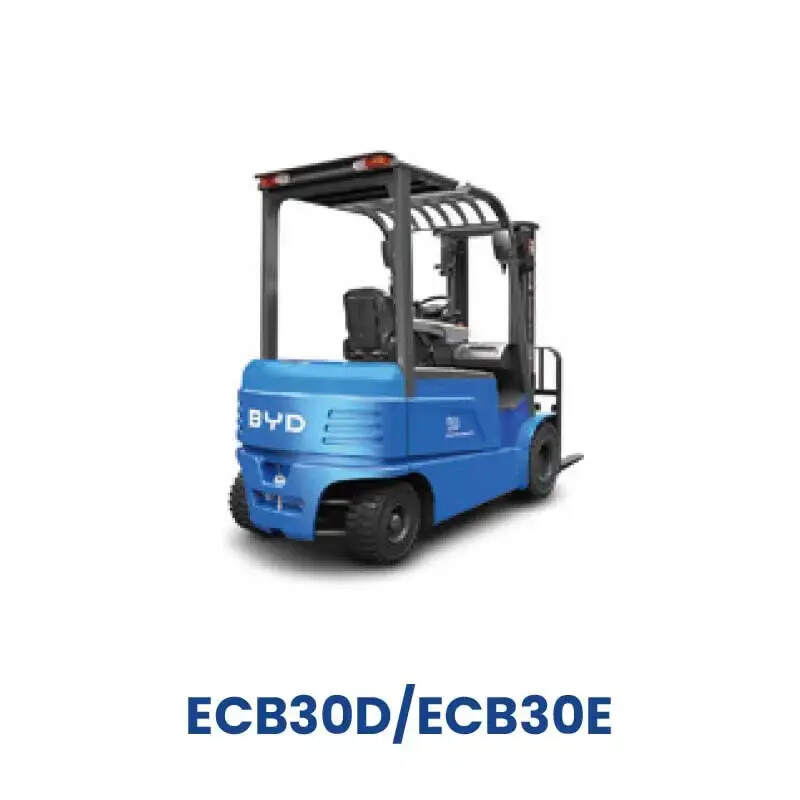
Against the background of growing demand for low-carbon and efficient logistics operations, electric forklifts have become one of the most widely used material handling equipment in indoor industrial and warehouse scenarios. Mastering the correct usage, maintenance and operation rules of such equipment can help enterprises control operating costs and reduce unnecessary equipment wear effectively.
Core Application Values of Modern Electric Forklifts
Different from traditional fuel-powered handling equipment, electric forklifts produce no local exhaust emissions during operation, which can meet the environmental protection requirements of closed storage spaces such as food warehouses and pharmaceutical storage areas. Their low operating noise also helps maintain a relatively quiet working environment for on-site staff, reducing the interference to normal on-site management work. The energy consumption cost of electric forklifts in unit operation hours is relatively stable, which helps enterprises make predictable budget planning for material handling links.
Standardized Operation Specifications for Daily Use
Before starting the equipment every time, operators need to complete a series of pre-check work, including checking the remaining power of the power system, the wear degree of the tire surface, the flexibility of the brake system and the smoothness of the lifting structure. During the operation process, operators should avoid overloading beyond the rated load range, slow down in advance when turning, and do not drive diagonally on sloped ramps. It is not recommended to make frequent emergency brakes in a short time, to avoid additional impact on the internal structure of the equipment.
Daily Maintenance Points to Reduce Equipment Loss
After each full shift of operation, users can charge the equipment in time, try to avoid long-term deep discharge of the power system, which will affect the overall cycle life. The heat dissipation structure of the power motor should be cleaned regularly to prevent the accumulated dust from affecting the normal heat dissipation effect. The sealing performance of the hydraulic lifting system should be inspected regularly, to find possible hidden dangers of oil leakage in time. When the equipment is not in use for a long time, it should be parked in a dry and ventilated area, and the operation key should be removed to avoid irrelevant personnel from touching the control lever by mistake.
Necessary Safety Operation Precautions
Before the equipment enters the working channel, operators need to confirm that there are no unrelated obstacles or passing personnel in the driving route. No staff should stay under the lifted forks during the handling process, and it is not allowed to use the forks to carry personnel for high-altitude operations. When driving in a narrow channel, operators can sound the prompt horn in advance to remind personnel coming from the opposite direction to pay attention to avoidance. When the on-site visibility is low, the lighting and warning lights on the equipment should be turned on in time to improve the recognition of the equipment in the working scene. Following the above operation and maintenance rules can help electric forklifts maintain a stable working state for a long time, and create higher value for daily material handling work.


