
 English
 简体中文
 Русский
 Français
 Português
 Español


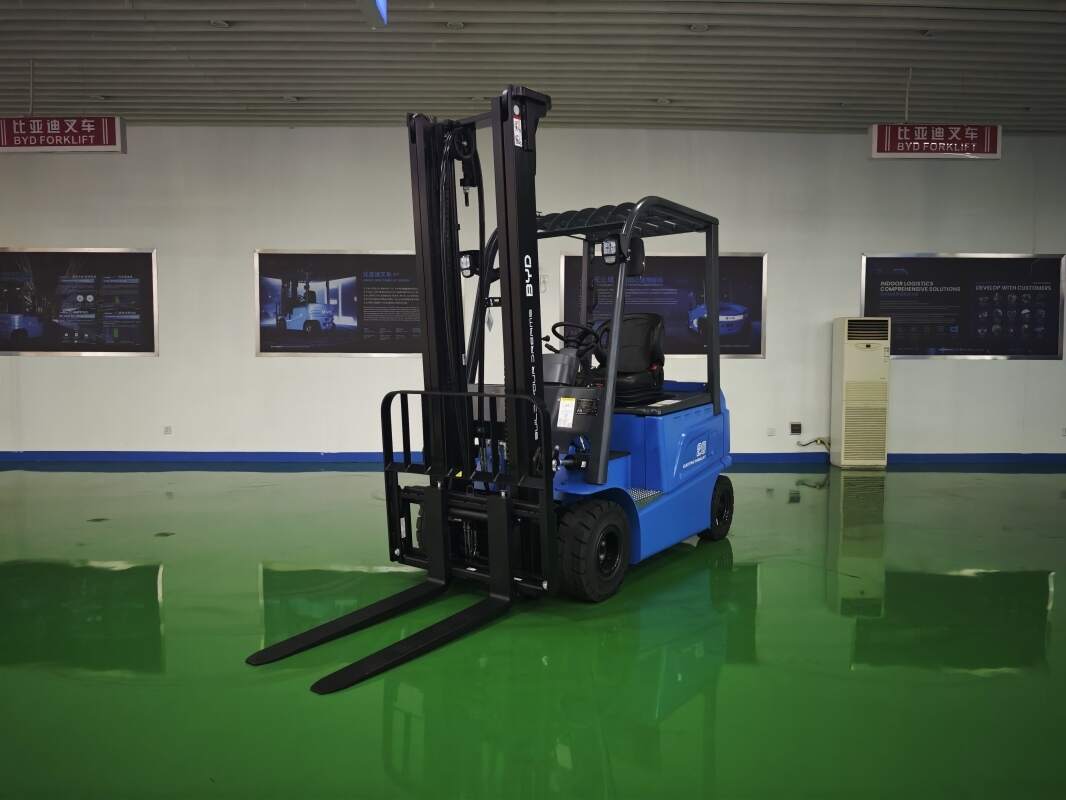
Electric forklifts have become one of the most widely applied material handling equipment in modern industrial logistics scenarios, due to their low noise, zero on-site emission and flexible operation characteristics. Mastering standardized use and management rules can help enterprises give full play to the performance of such equipment, reduce unnecessary operating loss, and create higher operational value for warehouse, manufacturing plant and distribution center scenarios.
Core Pre-operation Safety Check Protocols
Before starting any shift work, operators need to complete a set of standardized pre-check steps to eliminate hidden risks in advance. First, confirm the remaining battery power level, to avoid sudden power-off in the middle of high-altitude lifting operation which may cause potential safety hazards. Second, test the sensitivity of the braking system and steering system, to ensure the equipment can respond to operation instructions stably and timely. Third, check the surface condition of the fork and hydraulic lifting components, to rule out deformation, loose connection or residual sundries that may affect the operation stability. Last, clear the operation visual field around the equipment, remove obstacles on the planned operation route in advance to avoid accidental collision.
Daily Operation Efficiency Optimization Tips
In actual daily operation, proper operation habits can effectively improve working efficiency without additional cost. Operators need to match the load weight strictly within the rated load range of the equipment, avoid overloading which will not only increase the wear of power components, but also raise the risk of rollover when lifting goods to a high position. For narrow channel operation scenarios, operators should control the running speed at a low and stable level, complete steering and position adjustment slowly to reduce the occupied operation space, and improve the passing rate of the whole warehouse material handling process. It is also recommended to arrange the operation route reasonably according to the priority of goods handling, reduce repeated driving distance, and cut down unnecessary power consumption.
Routine Maintenance Best Practices
Regular standardized maintenance is the core foundation to keep electric forklifts in good working condition for a long time. Operators need to clean the electrode connection position of the power battery regularly to avoid dust and water stain leading to poor conductivity, and store the equipment in a dry and ventilated environment, avoid long-term exposure to extreme high or low temperature environment that will damage battery performance. Check the wear degree of solid tyres every week, replace relevant parts when the wear depth reaches the specified threshold to keep driving stability. Add proper amount of lubricating oil to the movable hinge parts of the lifting system on schedule, reduce friction loss caused by long-term reciprocating operation. Following these practical rules, operation teams can maximize the comprehensive performance of electric forklifts, and build safer, more efficient and low-carbon material handling working conditions.


