
 English
 简体中文
 Русский
 Français
 Português
 Español


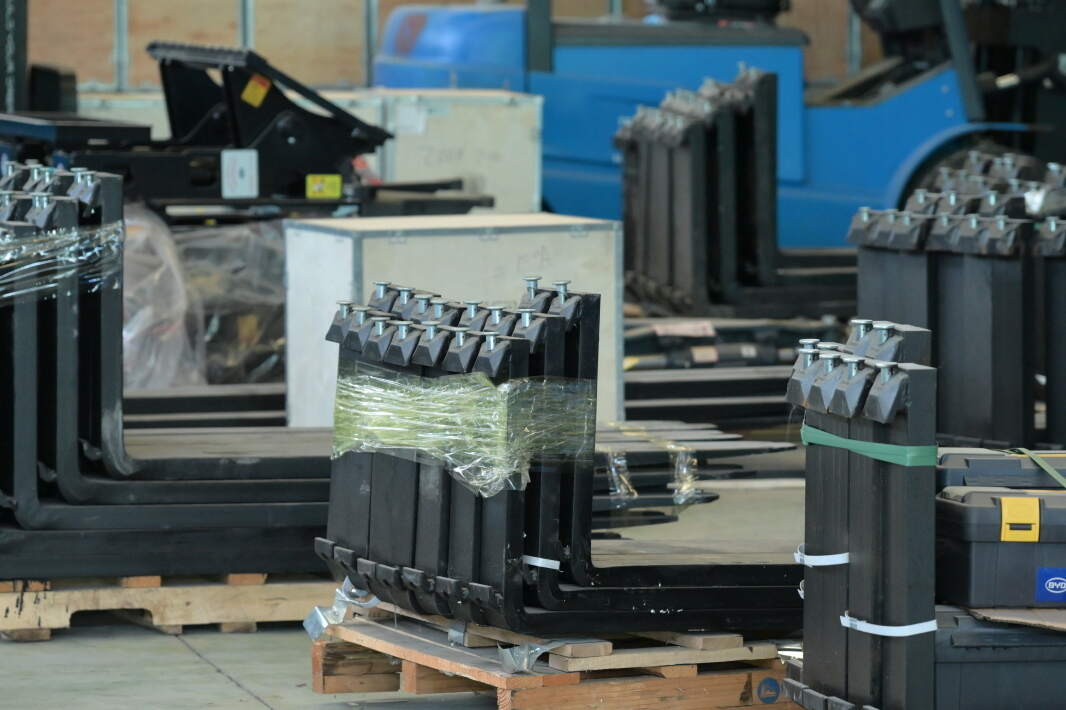
As the low-carbon development trend of the logistics and warehousing industry continues to rise, electric forklifts have become one of the most widely used material handling equipment in daily operation, and mastering correct use and management knowledge can help enterprises obtain more stable operation returns.
Core Performance Characteristics of Electric Forklifts
Compared with internal combustion counterparts, electric forklifts rely on battery power output, which produces no tail gas emission during operation, and the overall operating noise is controlled at a relatively low level, adapting to enclosed working environments with high air quality requirements. The power output mode also brings smoother operation feedback, which reduces the operation learning threshold for new operators to a certain extent, and will not produce continuous vibration that interferes with the operation accuracy of loading and unloading goods.
Standard Daily Operation Specifications
Before starting the equipment every time, operators need to check the remaining power status, brake sensitivity, tire wear condition and whether the lifting structure is stuck with foreign objects, and carry out trial lifting for 2 to 3 times before formal loading and unloading operation. During the operation process, operators should control the driving speed according to the site road condition, avoid sudden acceleration or sudden braking, and keep the load center within the allowable range specified in the equipment parameter manual to avoid side tipping risk. It is not recommended to carry unrelated personnel on the vehicle, and the operation should be stopped immediately when abnormal sound or overheating phenomenon is found on the equipment.
Routine Maintenance Essentials
After each shift, operators need to wipe the surface dust and residual cargo debris of the equipment, check the battery connection port for oxidation, and arrange targeted charging according to the remaining power, avoid long-term power loss storage which will affect the overall battery cycle life. Users can regularly check the lubrication degree of the rotating shaft of the lifting gantry, replace the aging sealing parts in time, and arrange professional personnel to conduct regular system inspection every fixed cycle, to eliminate potential faults in the early stage.
Reasonable Scenario Matching Suggestions
Users can select corresponding configuration specifications according to their actual operation needs, such as adjusting the maximum lifting height and load weight level to match the shelf specification and cargo weight in the site. For long-time continuous operation scenarios, users can prepare spare batteries for quick replacement, to reduce the downtime caused by long charging time. Mastering these professional application points can help give full play to the use value of electric forklifts, and create a safer and more efficient material handling working environment.


