
 English
 简体中文
 Русский
 Français
 Português
 Español


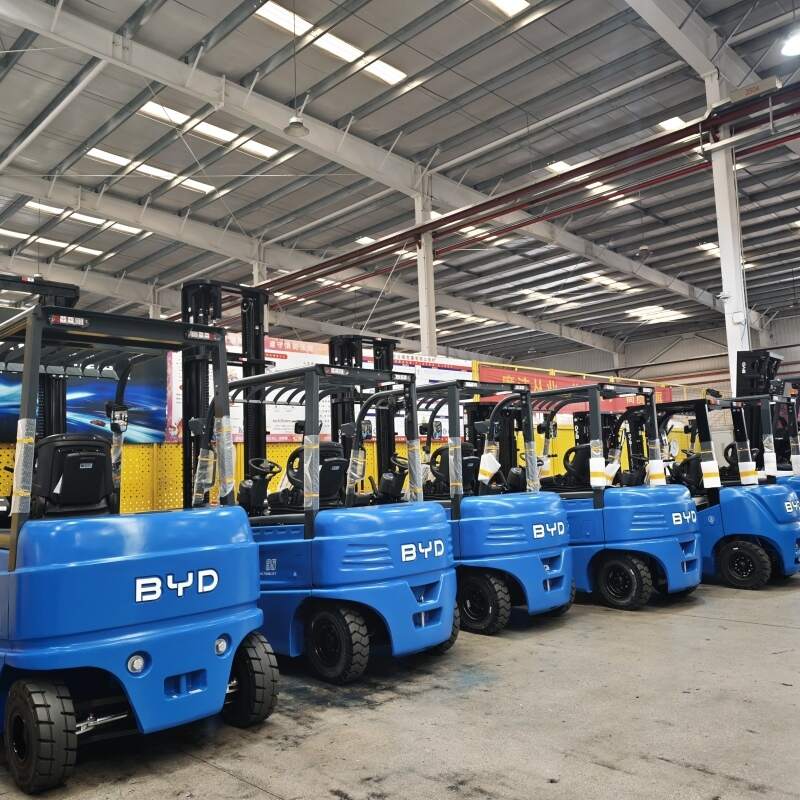
As the logistics and warehousing industry continues to pursue low-carbon, high-efficiency operation modes, electric forklifts have gradually become one of the most widely used material handling equipment in closed operation spaces. Mastering systematic knowledge related to electric forklifts can help relevant practitioners give full play to the equipment’s performance while avoiding unnecessary operating costs.
Core Functional Advantages of Electric Forklifts
Compared with fuel-powered handling equipment, electric forklifts do not produce exhaust emissions during the whole operation process, which can avoid potential pollution to stored goods such as food, medicine and precision electronic parts. The low-noise operation characteristic also reduces disturbance to the working environment, creating a more comfortable working atmosphere for on-site staff. Its overall energy consumption cost per unit running time is also at a relatively low level, which fits the current development trend of green logistics.
Standardized Daily Operation Requirements
Before each official operation, operators need to check the remaining battery power, the sensitivity of the braking system, the smoothness of the lifting structure and the normal state of the warning light device. During the operation process, operators should strictly follow the load limit marked on the equipment, avoid overloading goods, keep proper deceleration when turning, and avoid frequent sudden acceleration or sudden braking. For long-distance transfer operations within the storage park, keep the running speed at a safe and controllable level to avoid safety risks.
Routine Maintenance Measures to Extend Service Life
Regular daily maintenance can effectively reduce the failure rate of electric forklifts and prolong the overall service cycle of the equipment. Operators need to regularly clean the contact points of the battery, avoid the situation of overcharging or complete over-discharging of the power battery, check the sealing performance of the hydraulic oil pipeline regularly to prevent oil leakage, and inspect the surface of the circuit line for wear or aging marks. When the equipment is in a long-term idle state, it should be parked in a dry and ventilated position, and the battery power should be maintained within a reasonable range to avoid power loss damage.
Scenario Adaptation Tips to Optimize Operation Efficiency
For different application scenarios, users can adjust the operation parameters of electric forklifts appropriately to achieve better use effect. In narrow aisle storage spaces, operators can set corresponding steering sensitivity parameters to improve the passing efficiency of the equipment. In low temperature working environments, preheating the battery system within the allowed range can make the power output more stable. These small adjustment measures can further help improve the overall operation efficiency of the whole warehousing link.


