
 English
 简体中文
 Русский
 Français
 Português
 Español


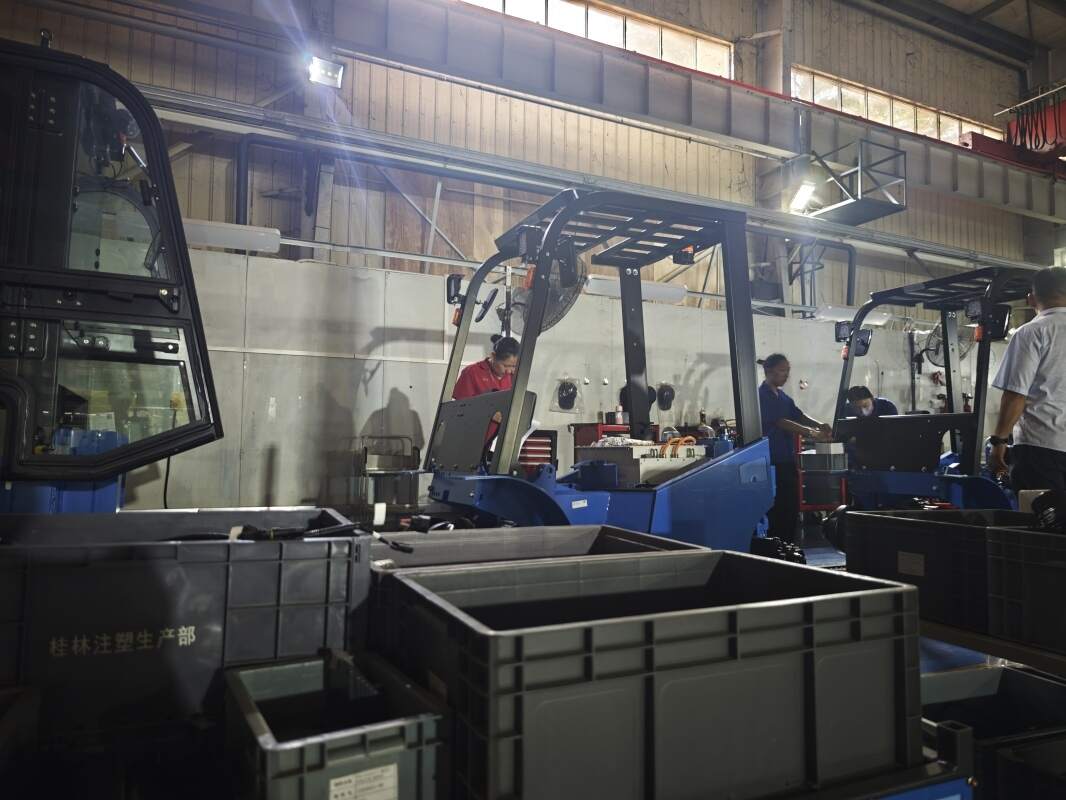
With the rising demand for low-carbon and environment-friendly logistics solutions, electric forklifts have become one of the most commonly applied material handling equipment in indoor warehouses, manufacturing workshops and distribution centers, featuring low noise, zero local emission and relatively low long-term operation cost. Mastering systematic application and management knowledge of such equipment helps relevant operation teams avoid unnecessary risks, reduce unexpected downtime, and create stable value for daily material handling procedures.
Core Standard Operation Norms for Electric Forklifts
Before starting each shift’s operation, operators need to complete the pre-inspection procedure systematically, which covers checking the remaining power level of the power system, the flexibility of lifting and tilting mechanisms, the sensitivity of braking and steering systems, as well as the intact condition of safety protective parts such as guardrails and warning lights. During operation, operators need to keep the load center within the specified range of the load arm, avoid sharp steering or sudden braking on slippery roads, and strictly follow the site speed limit rules in indoor working areas. It is not recommended to operate the equipment for a long time under overloaded status, which may cause extra abrasion to core components and bring hidden safety risks.
Daily Maintenance Points for Extended Service Life
Routine maintenance work can be divided into daily, weekly and monthly check items. For the power system, operators need to clean the dust and stains on the surface of the battery pack regularly, avoid overcharging or deep discharging the battery for a long time, and place the equipment in a dry, ventilated and temperature-suitable environment for charging to avoid potential damage caused by extreme temperature. For the walking and lifting transmission components, teams need to add appropriate amount of lubricating oil on schedule, check the tightness of connecting bolts, and replace the worn tire parts in time according to the actual abrasion status. Relevant maintenance records can be sorted and archived properly, to help managers track the operation status of each equipment and arrange targeted troubleshooting in advance.
Scenario Adaptation Optimization Suggestions
Different application scenarios have differentiated demands for electric forklift configurations. For narrow aisle warehouse scenarios, teams can select matched equipment specifications with smaller turning radius to improve the utilization rate of storage space. For outdoor semi-enclosed operation scenarios with certain dust or water splash, teams can add corresponding protective configurations for core electrical components to promote the environmental adaptability of the equipment. Regularly organizing special training for operators can also help the whole team form consistent operation habits, further reduce the equipment failure rate in daily use.


