
 English
 简体中文
 Русский
 Français
 Português
 Español


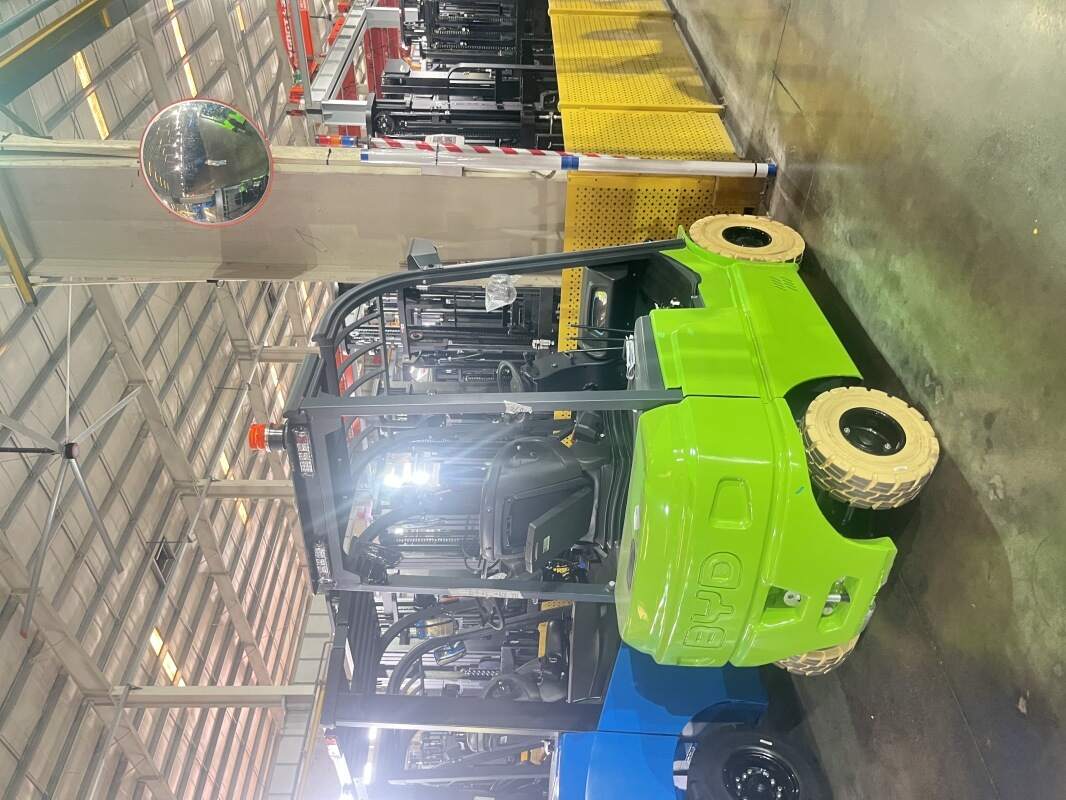
As low-carbon logistics concepts gain wider popularity across the material handling sector, electric forklifts have become one of the most widely applied core equipment in modern indoor warehouse scenarios. Mastering correct operation and maintenance rules can help operators give full play to the performance of the equipment, reduce unnecessary operation costs and improve the overall efficiency of cargo turnover.
Core Advantages of Modern Electric Forklifts
Different from internal combustion power counterparts, electric forklifts rely on electric energy as the main power source, no tail gas emission will be generated during the whole operation process, which can meet the environmental protection requirements of closed indoor spaces, food and medicine storage areas and other scenarios that have strict requirements for air quality. The overall operation noise of the equipment is kept at a relatively low level, which will not cause continuous noise interference to the surrounding working environment, and is more friendly to the physical and mental health of long-term on-site operators.
Standard Operation Specifications for Daily Use
Before each startup, operators need to conduct a basic inspection of the equipment, including the remaining power status, the flexibility of the steering system, the sensitivity of the braking function, and the wear degree of the load-bearing parts of the fork. During the operation process, the actual load should be controlled within the rated load range, and rapid steering and sudden braking should be avoided as far as possible when driving on the smooth warehouse ground. For the battery part, do not perform over-discharging operation in daily use, and keep the charging area well ventilated to avoid potential safety hazards caused by excessive heat accumulation during charging.
Routine Maintenance Strategies for Long-term Stable Operation
Regularly arrange professional personnel to check the connection tightness of the line interface, the lubrication status of the hydraulic lifting structure, and the wear degree of the tire tread, and clean up the dust, broken packaging residues and other sundries accumulated on the surface of the equipment and the heat dissipation gap in time. This set of low-cost maintenance operations can effectively reduce the probability of unexpected failure of the equipment in the peak operation period, and extend the overall service cycle of the equipment to a certain extent. When combined with the pre-planned warehouse handling path, electric forklifts can better cooperate with other storage equipment to build a more smooth and efficient whole logistics operation system, which conforms to the long-term development direction of the current material handling industry.


