
 English
 简体中文
 Русский
 Français
 Português
 Español


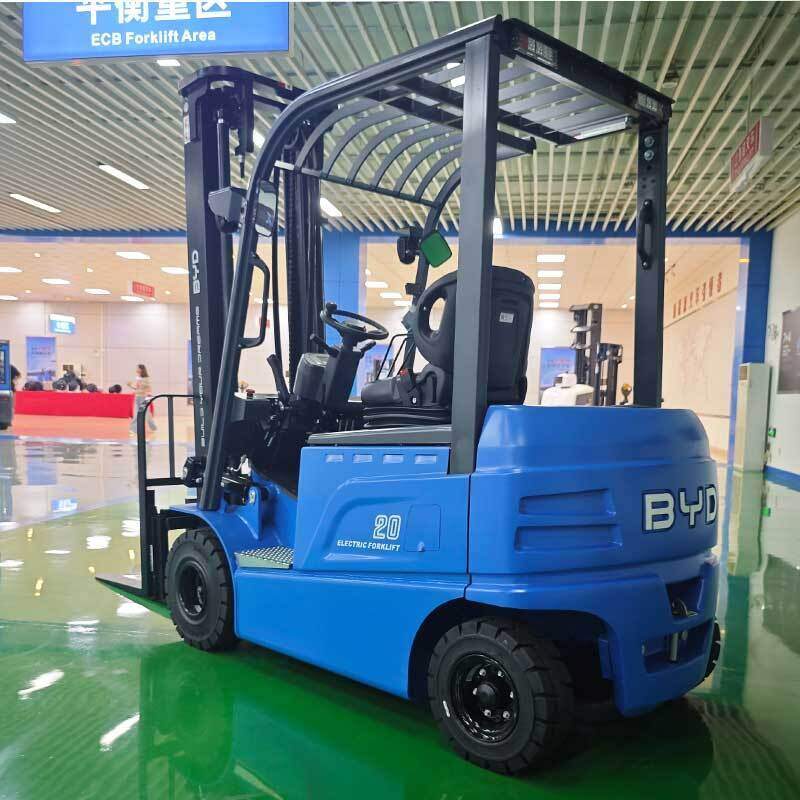
Against the backdrop of growing low-carbon logistics demand, electric forklifts have become one of the most widely applied material handling equipment in modern warehouse scenarios, with obvious features of low operation noise, zero local emission and flexible maneuverability. Mastering correct use and maintenance specifications can help operators give full play to the inherent performance of the equipment, reduce unnecessary unexpected downtime, and create higher comprehensive value for daily logistics operation.
Core Standardized Operation Rules
Before starting the equipment each shift, operators need to complete a full pre-operation check including the remaining power level, brake sensitivity, lifting mechanism flexibility and tire surface condition, to eliminate potential hidden risks in advance. During the whole operation process, operators should keep the actual load within the rated bearing range of the equipment, avoid sharp steering or sudden acceleration when carrying heavy goods, and keep a sufficient safe distance from surrounding walking personnel and shelf facilities. When the equipment runs on the ramp, the load carrying side should face the upper direction of the slope to avoid accidental sliding, and overloading operation is not recommended even for short-distance transportation.
Daily Routine Maintenance Points
Regular standardized maintenance work can effectively extend the overall service life of electric forklifts, and the core part of daily maintenance focuses on the power system inspection. Operators should clean the surface of the power module regularly, check the wiring connection points for looseness or abnormal corrosion, and supplement corresponding electrolyte for lead-acid power units according to the official operation manual requirements. For the hydraulic lifting system, it is necessary to check the sealing condition of the oil pipeline at fixed intervals, replace the aging hydraulic oil according to the specified cycle, and avoid the situation of unsmooth lifting or oil leakage caused by long-term lack of maintenance. In addition, the exterior cleaning of the equipment should be completed after each shift, to remove accumulated dust and residual goods debris on the walking wheel and body surface.
Daily Safety Management Notes
The operation area of electric forklifts should be set with obvious warning identification marks, and non-professional operators are not allowed to start or adjust the equipment without permission. When the equipment is not in use, it should be parked in the specified dedicated storage area, the lifting fork should be lowered to the horizontal position close to the ground, the power supply should be cut off completely, and the hand brake should be locked to avoid safety risks caused by accidental sliding. Regular professional safety training for frontline operators can help them form good operation habits, reduce the probability of improper operation, and ensure the stable and orderly progress of daily warehouse handling work.


