
 English
 简体中文
 Русский
 Français
 Português
 Español


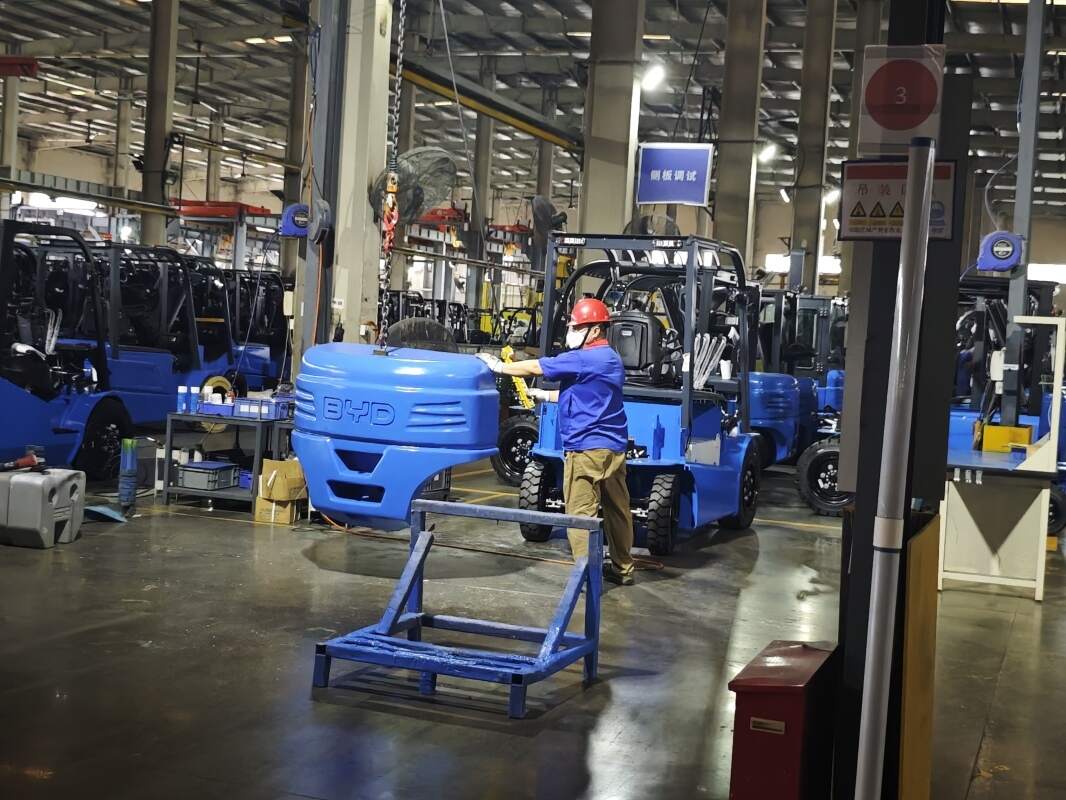
In recent years, electric forklifts have become one of the most widely used material handling equipment in the logistics and warehousing industry, with the continuous promotion of low-carbon and green operation concepts. Many front-line operators and warehouse managers still have insufficient systematic cognition of the correct use and daily management of such equipment, which may lead to reduced operation efficiency or unnecessary extra cost in long-term use.
Core Performance Characteristics of Electric Forklifts
Compared with traditional internal combustion powered handling equipment, modern electric forklifts produce no exhaust emission during operation, and the overall operation noise is controlled at a relatively low level, which is more suitable for closed indoor warehouses, food and medicine storage areas and other scenarios that have strict requirements for indoor environment. Its energy conversion efficiency is at a relatively high level, and the power output can fully meet the demand of conventional medium and low intensity handling operations. Under the same annual working hour condition, its daily energy consumption cost is at a relatively controllable level.
Standardized Operation Guidelines for Daily Work
Operators need to receive systematic standard operation training before officially taking up the post. Before each start-up operation, it is necessary to check the remaining battery power, the braking sensitivity of the walking mechanism, and the flexible operation state of the lifting mast to avoid potential safety hazards caused by missing inspection. During the operation process, overloading beyond the rated load capacity should be avoided as much as possible, and the driving speed should be reduced in advance when turning in narrow warehouse aisles, so as to prevent scratching the shelves, stored goods or passing staff. When the equipment is not in use for a long time, it should be parked in the designated charging and parking area, and the fire passage and cargo access port should not be occupied.
Practical Maintenance Tips to Extend Service Life
Operators should regularly detect the charge and discharge state of the battery pack, and avoid storing the equipment in a long-term power deficit state, which will affect the overall performance of the battery pack. It is also necessary to regularly clean the accumulated dust and residual cargo debris in the gap of the fuselage, check whether there is oil leakage in the seal of the hydraulic system on a regular basis. Once minor abnormal faults are found, stop the machine for troubleshooting in time, do not carry faults for long time operation, which can effectively reduce the later high maintenance cost, and prolong the overall service cycle of the equipment. Reasonable matching of application scenarios, standardized operation and regular maintenance can give full play to the use value of electric forklifts, and steadily improve the operation efficiency of the whole material handling link.


