
 English
 简体中文
 Русский
 Français
 Português
 Español


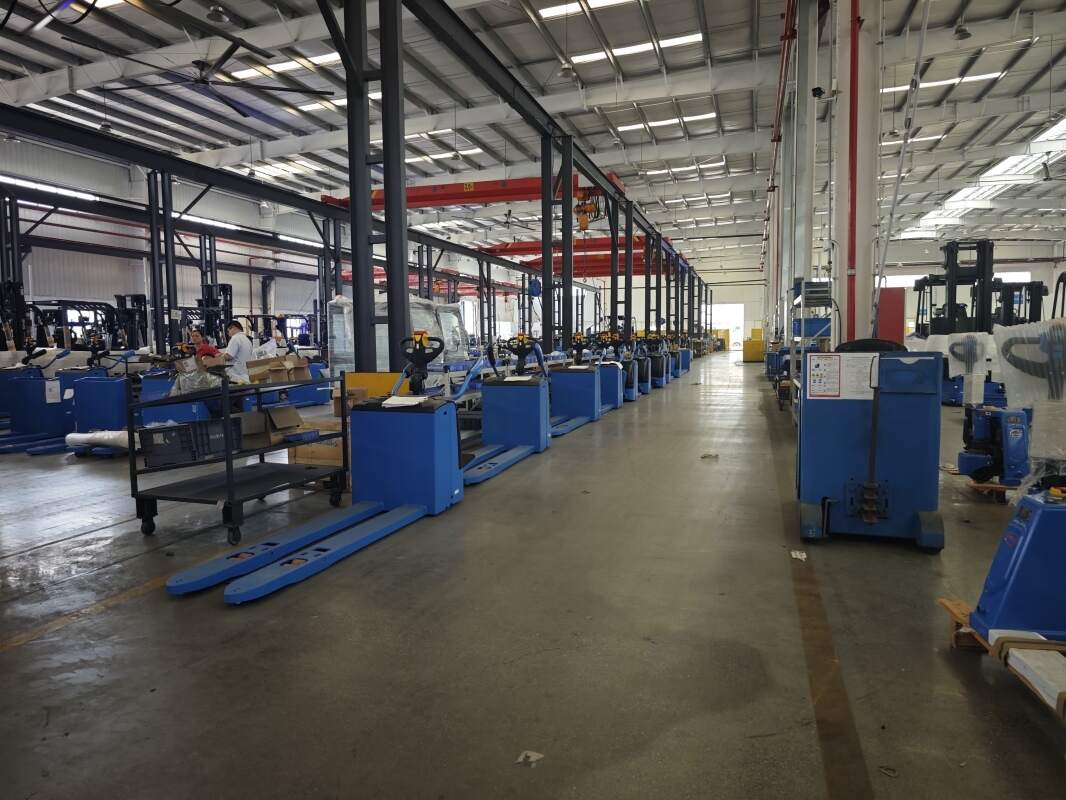
As low-carbon logistics development gains wider popularity across the industrial sector, electric forklifts have become a common choice for indoor and closed-space material handling scenarios in recent years. Mastering relevant operation and maintenance knowledge can help teams give full play to the value of the equipment in daily work.
Core Performance Features of Electric Forklifts
Unlike fuel-powered industrial handling equipment, electric forklifts generate no exhaust emission during operation, and produce far lower running noise that will not disturb on-site staff working in enclosed warehouse spaces. Their energy supply system fits most factory and warehouse power supply layouts, which can avoid the complex fuel storage and management procedures required for internal combustion handling equipment. For long-term daily use, the overall operating cost stays at a relatively controllable level for most logistics operation teams.
Standard Safe Operation Guidelines
All personnel who operate electric forklifts need to receive systematic professional training before formally taking up the post. Before each start-up, operators need to check the working status of the braking system, remaining power, lifting hydraulic components and walking wheels to confirm no hidden risks exist. During the moving process, operators need to keep a clear view of the surrounding working environment, avoid overloading beyond the rated load capacity, and keep a safe distance with nearby passing staff and stacked goods. When working on ramps, operators should keep the load facing the upward direction of the slope, and avoid turning on the sloped surface to prevent side tipping risks.
Routine Maintenance Suggestions
Regular daily maintenance can effectively prolong the service life of electric forklifts and reduce unexpected downtime. Operators need to check the battery status regularly, clean the electrode contact parts to avoid dust accumulation, and prevent the battery from being in the over-discharged state for a long time. The rotating connection parts of the equipment should be lubricated on schedule, and the hydraulic pipeline system should be inspected periodically to rule out possible leakage problems. After each use, the equipment should be parked in a dry and ventilated designated area, and the surface of the vehicle body should be cleaned of scattered goods residues and dust in time. With proper operation and standardized maintenance, electric forklifts can support stable and efficient material handling work for different types of industrial and commercial storage scenarios.


