
 English
 简体中文
 Русский
 Français
 Português
 Español


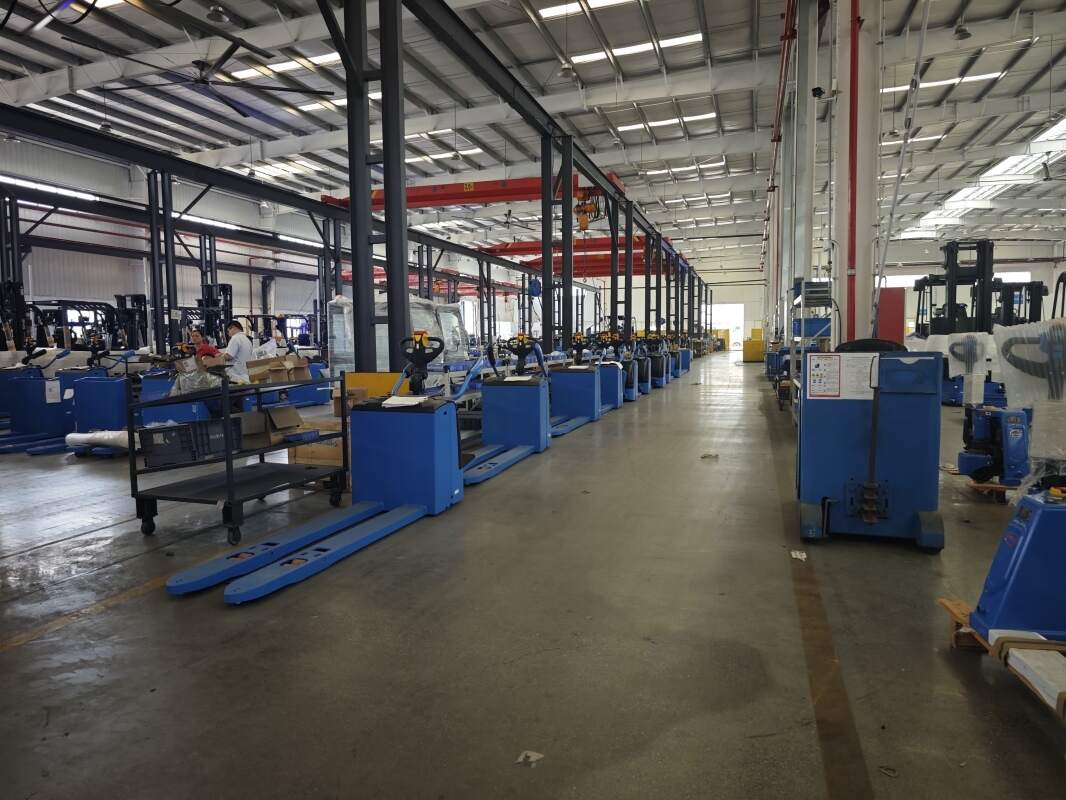
As a core category of new energy material handling equipment, electric forklifts have been widely applied in various industrial storage, manufacturing production line and distribution logistics scenarios in recent years. Mastering relevant professional knowledge of application and operation can help relevant practitioners give full play to the value of such equipment in daily work.
Core Functional Advantages of Electric Forklifts
Different from fuel-powered handling equipment, electric forklifts generate no exhaust emission during local operation, which can effectively avoid the pollution of stored goods and the adverse impact on the health of long-term working staff in closed warehouse spaces. The overall operation noise of the equipment is controlled at a relatively low level, which can meet the operation requirements of silent working scenarios such as cold storage and e-commerce sorting center, and will not cause noise interference to the surrounding working area. The output of the power system is more stable, which can bring more precise control experience for operators to complete high-precision stacking and handling work.
Standard Operation Specifications for Daily Use
Before each shift of operation, operators need to complete the necessary pre-inspection work, check the remaining power of the power system, the sensitivity of the brake device, and the flexibility of the lifting hydraulic structure, and confirm that there is no abnormal hidden danger before formal operation. Operators should strictly follow the load limit requirements of the equipment to carry out handling work, avoid long-time overload operation, and appropriately reduce the driving speed when passing through wet, uneven or narrow channel areas, so as to reduce the risk of side slipping and collision. When the equipment is left idle for more than 30 minutes, the main power switch can be turned off appropriately to reduce unnecessary power consumption.
Routine Maintenance Suggestions for Longer Service Life
In the daily maintenance process, the staff can regularly clean the dust and residual debris on the surface of the equipment, especially the heat dissipation vents of the power motor, to avoid affecting the heat dissipation efficiency of the equipment after long-term blockage. It is necessary to regularly check the connection state of the power system terminals, avoid the impact of oxidation and loose wiring on the power supply stability, and complete the charging and discharging process in accordance with the operation specification, to avoid long-term storage of the equipment in a deep power loss state. Regular professional inspection of hydraulic system and operation components can help find small hidden faults in time, reduce the probability of unexpected shutdown in peak operation period, and effectively control the comprehensive use cost in the whole life cycle of the equipment.


