
 English
 简体中文
 Русский
 Français
 Português
 Español


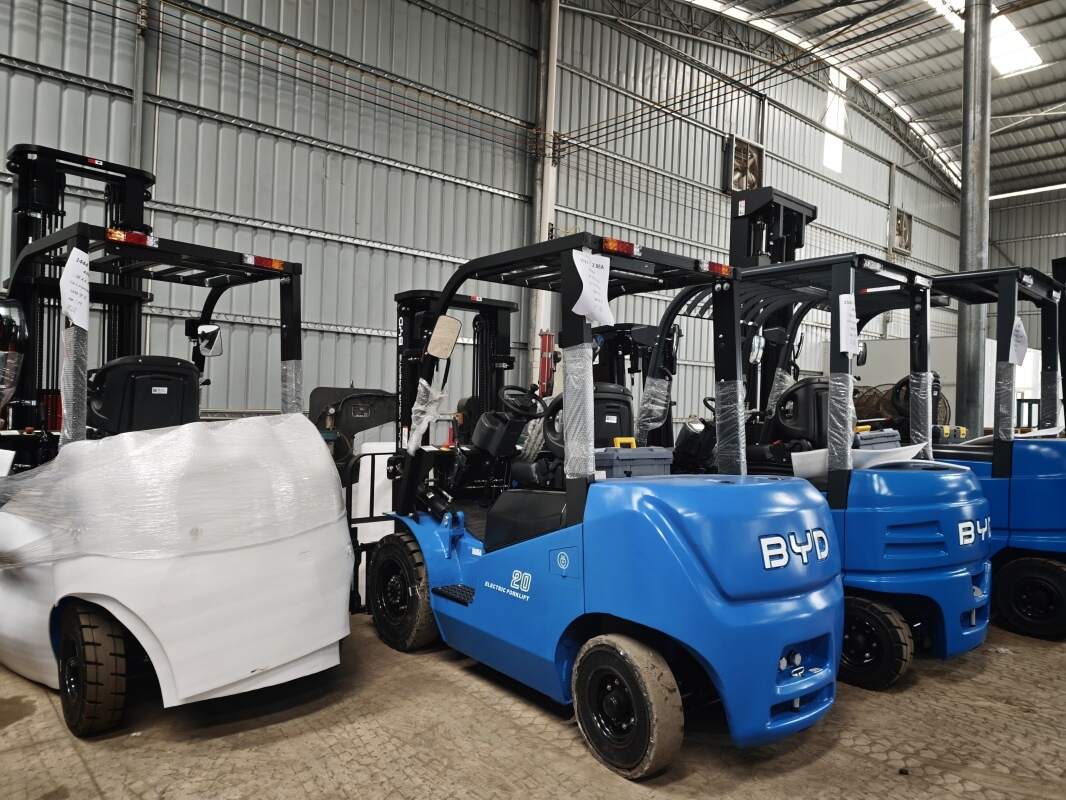
As low-carbon logistics development gains wider recognition across industrial sectors, electric forklifts have become a mainstream material handling solution for most warehouse, manufacturing and distribution scenarios. Many frontline practitioners and operation managers still lack systematic cognition of correct usage and maintenance methods to tap the full value of such equipment, and this guide sorts out practical, evidence-based points for daily reference.
Core Performance Traits of Modern Electric Forklifts
Unlike traditional internal combustion counterparts, electric forklifts rely on power battery packs to output power, producing zero on-site exhaust emissions, and generate relatively low operating noise that will not cause excessive disturbance to indoor working staff. Most common models support adjustable power output modes to match different load weights and moving speeds, which can adapt to diversified working intensity requirements. The overall structure of the equipment is relatively compact, making it easier to operate in narrow aisles and small enclosed storage spaces that are not accessible for bulkier heavy-duty handling equipment.
Standard Daily Operation Specifications
Before each shift, operators need to conduct a basic visual check on the tire condition, brake sensitivity, lifting lubrication status and remaining power level of the equipment, to rule out potential hidden risks before formal usage. During operation, staff should keep the load center within the specified allowable range, avoid sudden steering or rapid lifting actions when carrying heavy goods, and keep a safe distance from surrounding personnel and obstacles in the working area. After the daily operation is completed, operators should park the equipment in the designated charging area, lower the lifting fork to a horizontal position, and cut off the power supply properly to avoid unintended touch by irrelevant personnel.
Scientific Maintenance Strategies
Regular standardized maintenance work can effectively reduce the failure rate of electric forklifts and extend their overall service cycle. Operators need to clean the surface dust and sundries of the equipment regularly, check the connection status of the battery interface every fixed work cycle, and avoid long-term over-discharge or over-charging behavior that may damage the battery performance. The moving parts such as the transmission system and lifting rocker arm should be supplemented with professional lubricating oil on schedule, to reduce the wear loss caused by long-term high-intensity friction.
Scenario Adaptation Suggestions
When selecting and using electric forklifts, users can match corresponding parameters according to their actual working scenarios. For long-time continuous outdoor operation scenarios, users can choose equipment with larger battery capacity to meet longer working duration requirements. For food, pharmaceutical and other scenarios with high requirements for indoor environmental hygiene, electric forklifts can effectively avoid the pollution risk brought by unregulated exhaust emissions, and create a cleaner and safer working environment for all on-site staff.


