
 English
 简体中文
 Русский
 Français
 Português
 Español


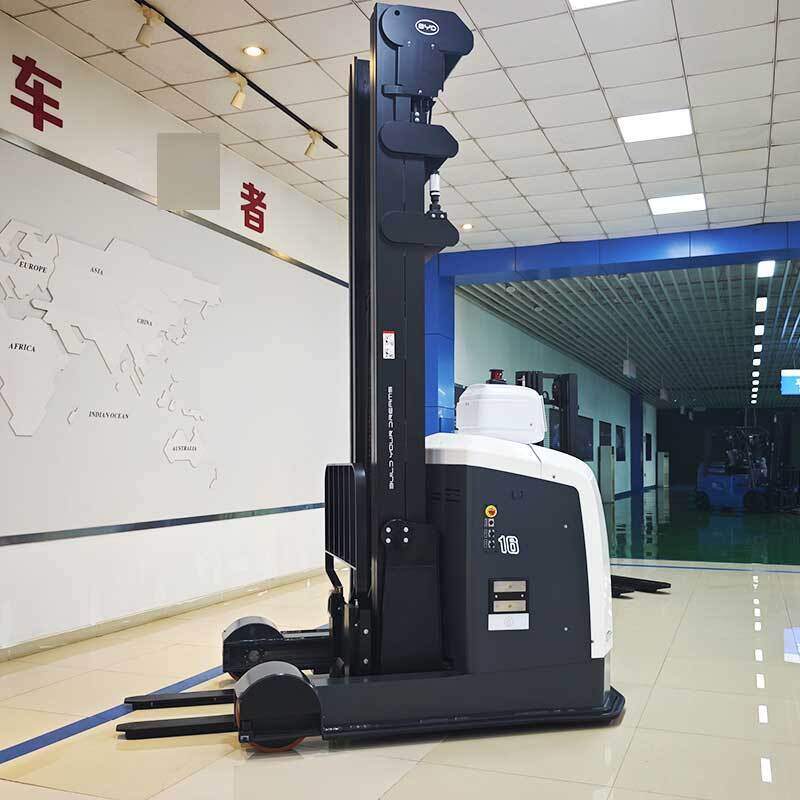
Electric forklifts have become one of the most widely applied material handling equipment in modern warehousing, logistics and light manufacturing scenarios, thanks to their low noise output, zero on-site emission and flexible operation performance. For frontline operators and facility managers, mastering standard usage rules and targeted management methods can effectively extend equipment service life, reduce unnecessary operating cost and improve overall handling efficiency.
Core Operation Specifications for Safe Daily Use
Before starting each shift, operators need to conduct pre-use inspection on key components including braking system, lifting mechanism, steering device and warning lights, to rule out hidden risks caused by accidental collision or abnormal wear in previous shifts. During operation, staff should avoid sudden acceleration, sharp turning and overloading beyond the rated load capacity, and keep a safe distance from surrounding personnel, goods and shelf structures to avoid accidental scratches or collisions. For operations on ramps or uneven ground, operators should adjust driving speed in advance to keep the center of gravity of the vehicle and goods stable, and avoid carrying out lifting or stacking actions on slopes as much as possible.
Key Points of Routine Daily Maintenance
Unlike internal combustion forklifts, electric forklifts focus more on the health status of power systems and electrical components in daily maintenance. Operators need to clean the dust and sundries attached to the surface of the battery and motor regularly after each use, and check the cable connection status to avoid poor contact caused by long-term vibration. It is not recommended to leave the battery in a state of deep power loss for a long time, and follow the recommended charging process to carry out charging operations in a cool, ventilated and dry environment, to avoid unnecessary damage to the battery structure. For wearing parts such as tires and sealing rings, regular wear measurement can help arrange replacement plans in advance, to avoid sudden failure that interrupts normal operation.
Practical Strategies to Improve Energy Efficiency
Reasonable operation habits can effectively reduce the overall energy consumption of electric forklifts in daily use. Planning the handling route in advance before starting work can reduce repeated driving and empty driving distance, and improve the utilization rate of each operation cycle. Adjusting the lifting speed according to the actual height demand, instead of keeping the lifting mechanism running at full speed for a long time, can also reduce unnecessary power consumption. Under suitable environmental conditions, regular optimization of operation parameters according to the actual working scenario can further balance the relationship between equipment performance output and energy consumption, bringing more stable use experience for the whole logistics operation system.


