
 English
 简体中文
 Русский
 Français
 Português
 Español


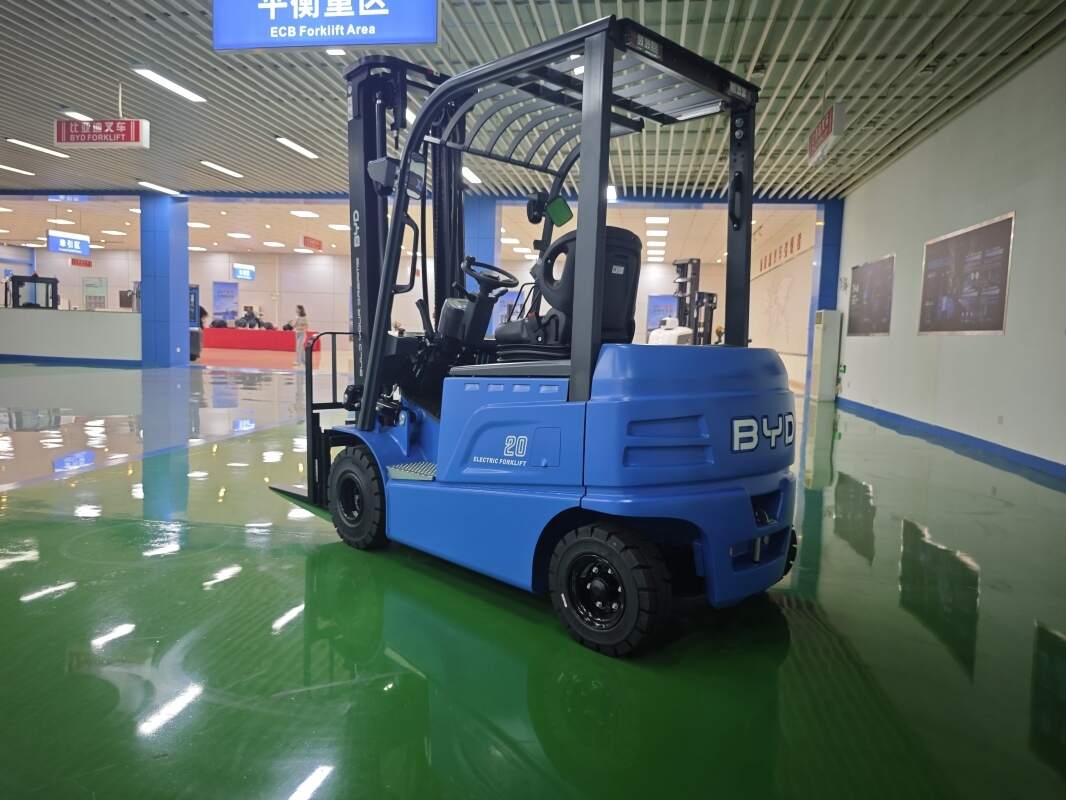
As low-carbon logistics development accelerates across the global industrial sector, electric forklifts have become one of the most widely adopted material handling equipment for indoor and closed working scenarios, with growing market demand in recent years. For frontline operators, warehouse managers and equipment maintenance personnel, mastering systematic professional knowledge of electric forklifts can bring multiple tangible benefits for daily operation.
Core Functional Characteristics of Modern Electric Forklifts
Unlike traditional internal combustion forklifts, modern electric forklifts are driven by battery power systems, which produce no exhaust emission during operation, making them more suitable for enclosed warehouse, cold storage and food processing scenarios that have strict requirements on air quality. Most models are designed with relatively low noise output, which can reduce the long-term noise interference for on-site workers to a certain extent. The overall structure of electric forklifts is relatively compact, which supports flexible movement in narrow channel spaces to adapt to different warehouse layout requirements.
Standard Daily Operation Specifications
Before starting each shift operation, operators need to conduct a basic pre-check, including checking the remaining battery level, testing the flexibility of lifting and steering mechanisms, and confirming the normal working state of the braking system and warning lights. During the operation process, operators should follow the rated load limit of the equipment, avoid overloading goods that exceed the specified weight, and keep a safe distance from surrounding personnel, shelves and other facilities in the working area. When the equipment is not in use for a short time, operators should park it in the designated marked area, pull down the parking brake, and lower the fork to the lowest position to avoid unnecessary safety risks.
Routine Maintenance Points
Regular maintenance work should be arranged according to the actual operation frequency of the equipment, to replace worn vulnerable parts in time, and clean the dust and sundries attached to the surface of the power system and heat dissipation components. Operators should follow the standard battery operation requirements to complete the charging process in the specified matched charging environment, avoid over-discharging or long-term overcharging of the battery pack, to extend the overall service life of the power system. Professional maintenance personnel can regularly check the wear degree of the tire and transmission components, make corresponding adjustment or replacement arrangements according to the actual wear situation.
Energy Efficiency Optimization Suggestions
Reasonable scheduling of the equipment according to the daily handling volume can reduce unnecessary repeated driving paths, effectively improve the average working efficiency per unit of power consumption. Operators can maintain a stable driving speed during the operation process, avoid frequent sharp acceleration and sharp deceleration, which can effectively reduce the extra power consumption in the working process. Regular updating of operation rules can further help teams form standardized operation habits for long-term stable equipment performance.


