
 English
 简体中文
 Русский
 Français
 Português
 Español


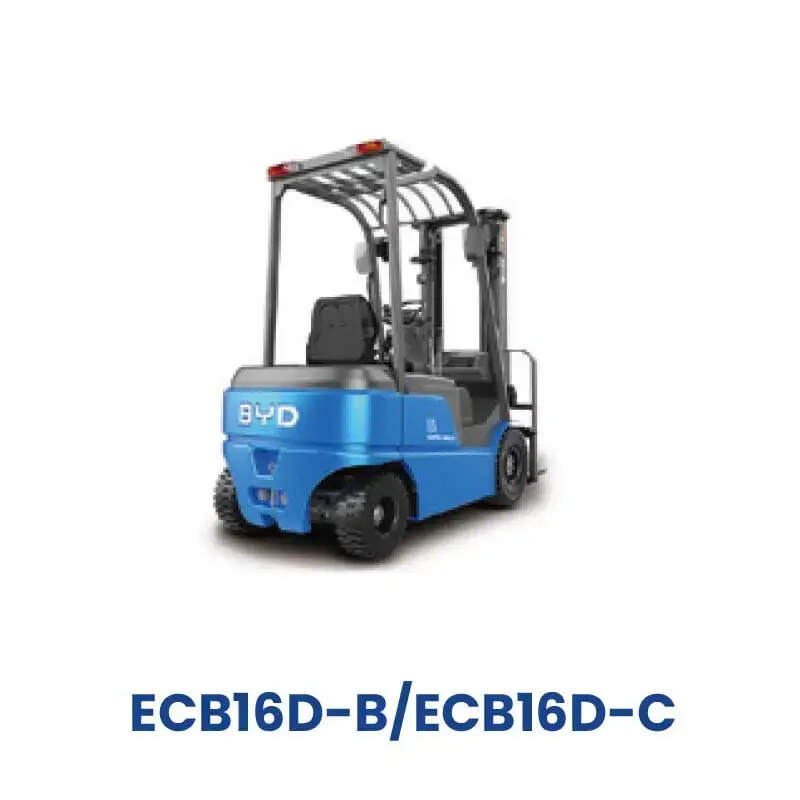
As low-carbon logistics and efficient material handling concepts gain wider popularity across various industrial scenarios, electric forklifts have become core common equipment for many warehousing, manufacturing and distribution sites. Mastering proper operation rules and maintenance skills can fully release the use value of such equipment, avoiding unexpected downtime and unnecessary resource waste.
Core Standard Operation Norms for Electric Forklifts
Many operators tend to overlook pre-operation checks before starting the equipment. The pre-check process should cover the remaining power status of the power system, the flexibility of lifting and steering mechanisms, the sensitivity of braking systems, and the intactness of safety warning components such as lights and alarms. During operation, operators need to keep the vehicle body at a low speed when turning, driving through narrow aisles or passing near pedestrian gathering areas, avoid sudden acceleration or sudden braking actions that may cause cargo toppling, and keep a proper safe distance from surrounding facilities and personnel. When carrying loads, operators should confirm that the cargo weight is within the specified load range, and adjust the fork distance reasonably to keep the center of gravity of the cargo stable during handling.
Routine Daily Maintenance Suggestions
Daily maintenance work does not require overly complex professional skills, but long-term consistent implementation can effectively extend the service life of the equipment. After each shift, operators should wipe the dust and residual sundries on the vehicle body surface, check whether there are abnormal scratches or wear on the tire surface, and place the equipment in a dry, ventilated and flat designated parking area. It is not recommended to store the equipment in a state of completely exhausted power for a long time, and the regular charging frequency should be arranged according to the actual usage intensity. The lubrication points of the transmission and steering mechanism can be replenished with lubricating grease regularly according to the use frequency, to reduce the mechanical wear caused by long-term friction.
Energy Efficiency Optimization Tips for Long-term Use
Reasonable operation habits can effectively reduce energy consumption per unit of operation. Operators can plan the handling route in advance before starting work, avoid repeated empty driving and unnecessary detours, and reasonably arrange the handling sequence according to the storage location of goods. Avoid long-time idling of the equipment in the power-on state when there is no handling task, and adjust the lifting speed of the goods according to the actual working scenario to reduce unnecessary energy consumption of the power system. For scenarios with high daily operation intensity, you can reasonably arrange the rest and charging interval of the equipment according to the actual power performance, to ensure stable and continuous operation throughout the working period.


