
 English
 简体中文
 Русский
 Français
 Português
 Español


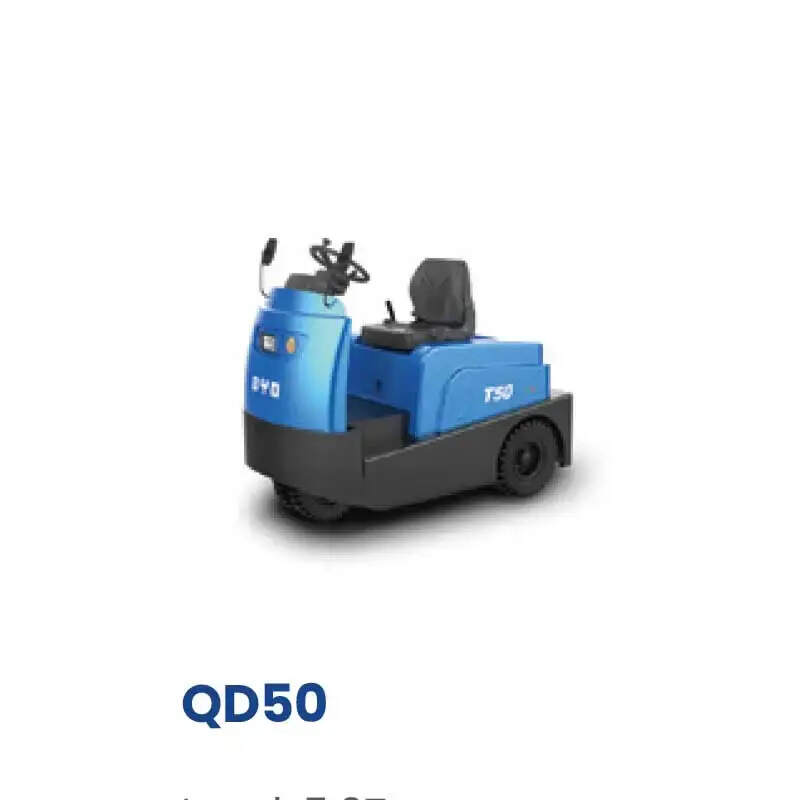
With the continuous development of green logistics and intelligent warehousing, electric forklifts have become one of the most widely used material handling equipment in various industrial scenarios in recent years. Mastering correct use and management rules can help relevant personnel give full play to the performance of such equipment to a large extent.
Core Functional Advantages of Electric Forklifts
Different from traditional internal combustion handling equipment, electric forklifts produce no local exhaust emission during operation, which is highly suitable for closed indoor storage spaces that have strict requirements for air quality, such as food warehouses, pharmaceutical storage centers and cold chain distribution points. The overall noise level of running electric forklifts is far lower than that of fuel-powered products, which can effectively reduce noise interference to surrounding working staff, and lower the long-term hearing fatigue of operators. The vibration generated during the operation of electric driving components is relatively small, which also helps improve the smoothness of goods handling and reduce the risk of fragile cargo damage.
Standardized Daily Operation Requirements
All personnel who operate electric forklifts need to receive systematic pre-job training to master the basic structure and operation logic of the equipment. Before each shift, operators need to conduct a routine patrol check of the braking performance, remaining power display, lifting hydraulic system and tire condition of the equipment, and it is not allowed to take the vehicle with hidden dangers to work. During the driving process, operators should strictly control the load within the rated bearing range of the equipment, keep the driving speed within the safety limit specified for the working scenario, and avoid sharp turning on slopes or uneven roads. When carrying pallets of goods, keep the bottom of the goods 10 to 20 centimeters above the ground, and do not lift the goods to a high position for long-distance driving to avoid unstable center of gravity.
Routine Maintenance Guidelines for Longer Service Life
Daily maintenance work should be carried out in accordance with the official specification of the equipment. After daily operation, operators need to clean the dust and debris accumulated on the surface of the equipment, especially the heat dissipation holes of the drive motor and the surface of the power battery pack, to avoid affecting the normal heat dissipation effect. For the power battery module, staff should avoid full discharge before charging, and complete the charging process in a dry, ventilated and temperature-controlled special charging area. If the equipment is left unused for a long time, the power battery should be charged and discharged at a fixed cycle to maintain the activity of the internal cells. Regular lubrication of the transmission and hinge parts can reduce wear between components, and timely troubleshooting of minor abnormal conditions can avoid more expensive subsequent maintenance costs.


