
 English
 简体中文
 Русский
 Français
 Português
 Español


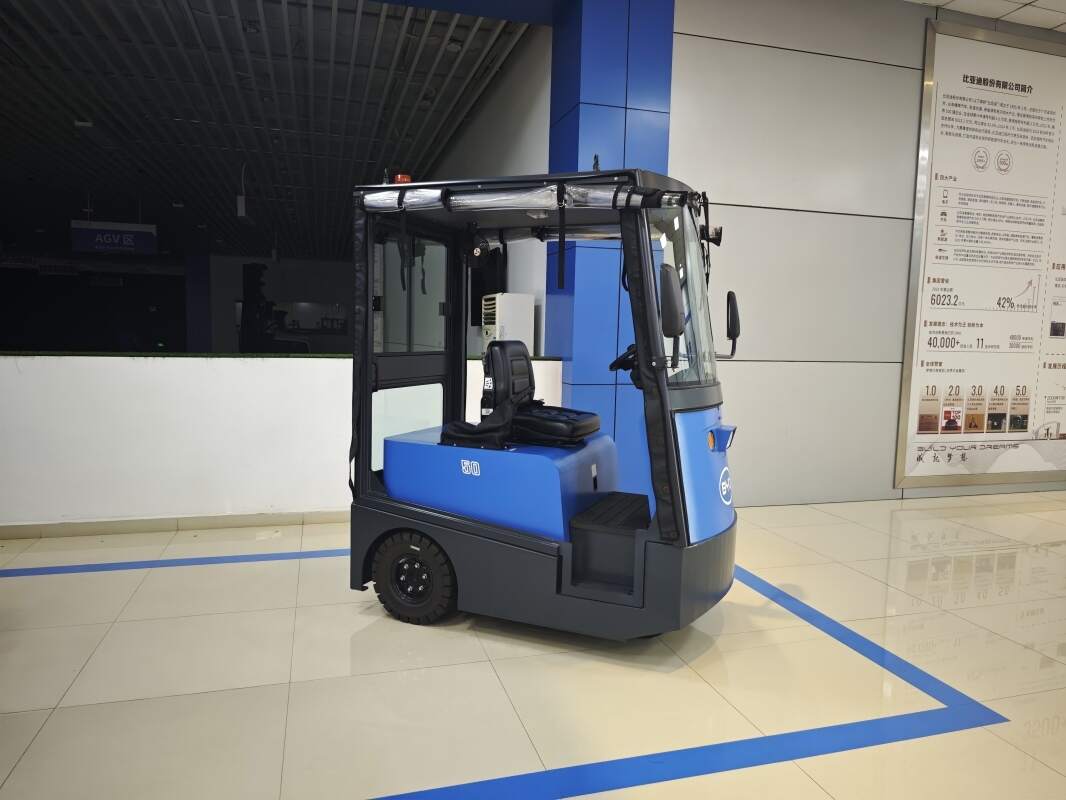
Against the background of growing demand for low-carbon, high-efficiency material handling in modern logistics and warehousing sectors, electric forklifts have gradually become one of the most widely applied pieces of industrial handling equipment across different operational scenarios. Mastering correct usage and maintenance knowledge helps frontline operators and warehouse managers maximize the value of such equipment in daily work.
Core Performance Advantages of Electric Forklifts in Common Scenarios
Unlike internal combustion counterparts, electric forklifts generate far lower noise during operation, and produce no exhaust emissions, which makes them suitable for enclosed indoor warehouses, cold storage facilities, and commercial distribution centers that have strict requirements for air quality and working environment comfort. Most current models adopt modular power design, with adjustable output modes that can adapt to different load weight requirements from light goods handling to heavy pallet stacking, bringing relatively flexible operation experience for staff with different operation habits. The overall operating vibration level of standard electric forklifts is also relatively low, which can reduce the fatigue level of long-time operators to a certain extent.
Standard Operating Specifications to Reduce Unnecessary Wear
Before starting each shift, operators need to conduct basic pre-shift checks, covering the power level of the battery, the flexibility of the steering system, the braking response, and the normal operation status of the lifting forks. During the operation process, it is not recommended to overload the equipment beyond the rated load range for a long time, and keep the driving speed matching the surrounding environment, especially in narrow aisle areas where personnel and goods are densely distributed, to avoid sudden braking or sharp turns that may cause unstable goods placement or equipment collision. After each operation cycle, park the equipment at the designated charging and storage area, lower the lifting fork to a position close to the ground, and cut off the power supply properly.
Routine Maintenance Guidelines to Stabilize Operation Performance
Regular daily and weekly maintenance work can effectively reduce the probability of unexpected equipment failure, extending the overall service cycle of the equipment. For the power battery module, follow the official recommended charging rules, avoid long-term deep discharge that may cause irreversible damage to the battery cells, and regularly clean the dust and sundries on the surface of the battery and the heat dissipation structure. For the transmission and hydraulic lifting parts, check the lubrication status of relevant components at fixed intervals, replenish lubricating oil and hydraulic fluid according to the actual wear situation, and timely remove the sundries stuck in the gap of the wheel structure to ensure smooth driving. For most warehousing teams, forming a standardized operation and maintenance management system can effectively reduce the comprehensive use cost of electric forklifts, and create a safer and more orderly material handling working environment.


