
 English
 简体中文
 Русский
 Français
 Português
 Español


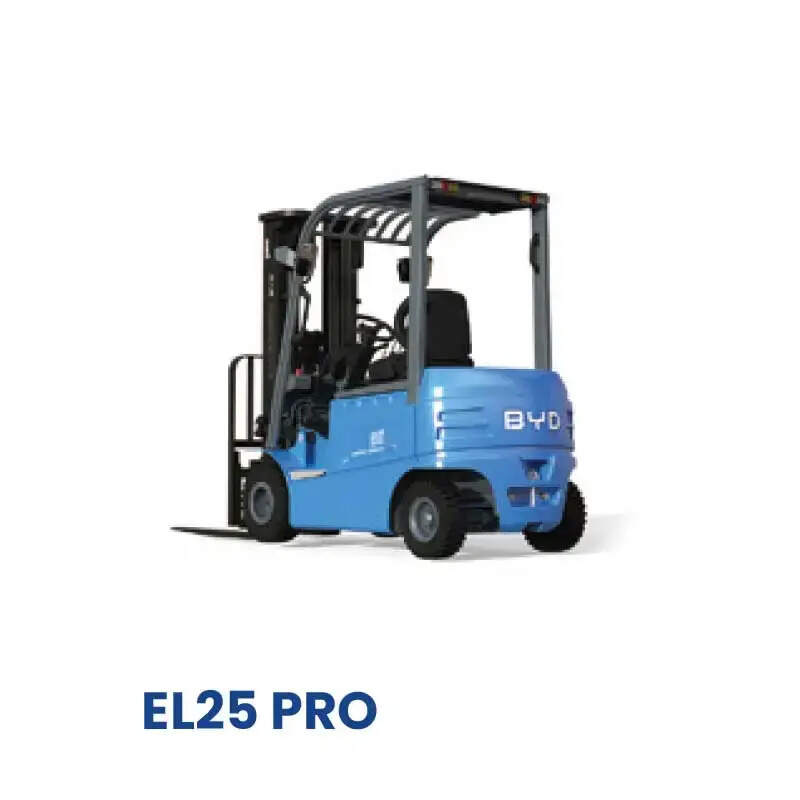
As low-carbon logistics solutions gain wider adoption across industrial storage and manufacturing scenarios, electric forklifts have become one of the most commonly used material handling equipment for modern enterprises. Mastering correct operation and maintenance rules can help teams avoid unnecessary equipment wear, reduce comprehensive operating costs, and create a safer working environment for all on-site staff.
Core Standard Specifications for Daily Operation
Operators need to complete systematic pre-job training before formally taking over the equipment, to be familiar with the basic parameters of rated load weight, maximum lifting height and turning limit of corresponding models. Before each start-up, a short inspection of the power system, braking structure, tire condition and warning indicator should be completed, and overloading operation that exceeds the rated load of the equipment is strictly prohibited. When driving in narrow warehouse aisles, operators should keep the moving speed within the safe range, and slow down in advance when encountering pedestrians, stacking points or turning corners to avoid unnecessary collision accidents.
Routine Maintenance to Prolong Equipment Service Life
Regular standardized maintenance work can effectively reduce the failure rate of electric forklifts in long-term continuous operation. The power battery pack is the core component that needs regular focused attention. Operators should follow the specified charging process, avoid over-discharging the battery to less than 20% of the remaining power for a long time, and keep the surface of the battery clean and dry to avoid short circuit risks caused by accumulated dust or residual water stains. Besides, the moving mechanical parts such as lifting chains, bearings and transmission shafts should be coated with professional lubricant on a regular cycle to reduce friction loss during frequent operation, and wearing parts such as brake pads should be checked regularly for wear degree and replaced in time when necessary.
Scenario-based Adjustment to Improve Operation Efficiency
Combined with different application scenarios, reasonable operation arrangement can further improve the comprehensive use efficiency of electric forklifts. For high-intensity continuous operation scenarios of more than 8 hours a day, enterprises can configure a reasonable number of spare battery packs to avoid waiting time caused by charging in the peak working period. For low-temperature working environments, users can properly preheat the power system before starting the equipment, to avoid the situation that the battery output efficiency drops sharply in low temperature, which affects the normal process of handling work. After each work shift, the equipment should be parked in a designated flat area, the mast should be lowered to the lowest position, the power supply should be completely cut off, and relevant operation records should be filled in to facilitate subsequent check of the operation status of the equipment.


