
 English
 简体中文
 Русский
 Français
 Português
 Español


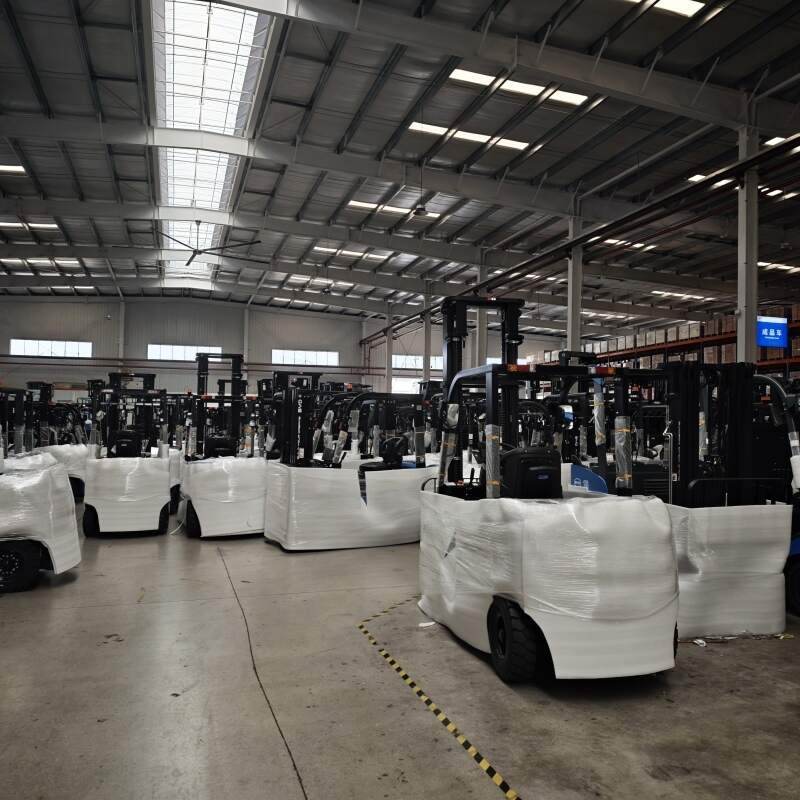
With the rapid popularization of low-carbon material handling solutions in modern logistics and manufacturing scenarios, electric forklifts have become one of the most widely applied equipment for indoor and outdoor short-distance cargo handling tasks. Mastering standardized operation and scientific management rules can help relevant staff give full play to the performance of the equipment, reduce unnecessary consumption and improve overall operation efficiency.
Core Operational Basics for Daily Use
Before starting the equipment every shift, operators need to complete a pre-check of key components including the brake system, tire condition, power remaining display and fork structure, to exclude hidden dangers caused by long-term idle or previous improper operation. During the operation process, staff should keep the driving speed adjusted according to the site condition, avoid sudden steering or emergency braking when carrying heavy loads, and keep the load center within the allowable range specified in the equipment manual, to avoid unbalanced stress of the vehicle body that may cause unnecessary wear of the transmission structure. Operators should also avoid long time continuous overload operation, which can effectively reduce extra load of the power system and transmission components.
Routine Maintenance Practices to Extend Service Life
For the power system that is the core part of the electric forklift, users should arrange regular power cycle detection according to the actual use frequency, avoid long-term full power or zero power storage state during the off-period, and keep the surface of the power module clean and dry to prevent dust and moisture from affecting the normal operation performance. For the hydraulic lifting structure, regular inspection of the hydraulic oil level and sealing condition can effectively reduce the failure probability of jamming or insufficient lifting force, and the regular lubrication of the rotating connection parts can also reduce the friction loss between components, keeping the operation sensitivity of the whole vehicle within the normal range.
Safety Optimization Tips for High-frequency Scenarios
In the narrow aisle of the warehouse or the dense personnel operation area, operators should reduce the driving speed appropriately, and use the prompt function of the warning device in time when turning or passing the intersection, to remind surrounding personnel to avoid the operation path. After each shift, the equipment should be parked in the designated area, the fork should be lowered to the lowest position, the power supply should be cut off completely, and the relevant operation records of the shift can be filled in for the subsequent management personnel to track the use state of the equipment. Following these practical rules can help enterprises obtain more stable equipment output in long-term material handling work, and create more practical value for daily operation activities.


