
 English
 简体中文
 Русский
 Français
 Português
 Español


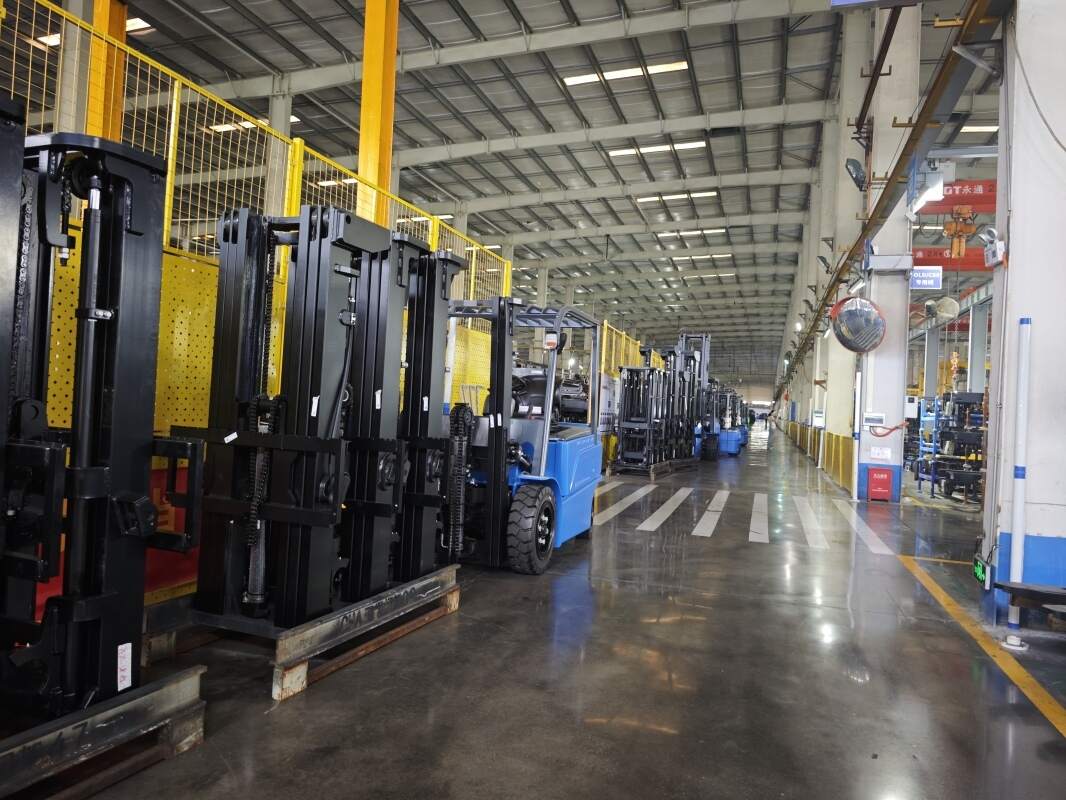
As low-carbon logistics development gains wider popularity across the global industrial sector, electric forklifts have become one of the most widely applied material handling equipment in enclosed work scenarios including warehouses, manufacturing workshops and cold storage areas. Proper mastery of related operation and maintenance knowledge can help facility managers maximize the value of the equipment without unnecessary extra cost.
Core Performance Characteristics of Modern Electric Forklifts
Unlike internal combustion counterparts, electric forklifts produce no local exhaust emission during operation, which effectively avoids air pollution to enclosed work spaces and creates healthier working conditions for frontline operators. Their running noise level is significantly lower compared to fuel powered equipment, which reduces noise disturbance in areas that require quiet operation environment. The smooth torque output of electric driving system also lowers the risk of cargo damage caused by sudden vibration during acceleration or steering.
Standard Daily Operation Protocols
Before each shift of operation, operators need to conduct basic pre-check on brake system, remaining power level, lifting mechanism and surrounding operation area, to rule out potential hidden risks in advance. All operators need to receive systematic professional training before independent operation, to get familiar with the load limit of the equipment, site speed limit rules and safety operation specifications. Overload operation is not recommended, and operators should avoid sharp steering when carrying heavy loads, and never stand under the lifting mast during working process.
Practical Maintenance Suggestions for Long Term Use
To keep the equipment in good working condition for longer period, regular cleaning on the electric connection terminals of the power unit is necessary, to avoid poor contact caused by accumulated dust. When the equipment is not in use for a long time, it is recommended to keep the power level within a reasonable range, and place it in a dry, ventilated area with stable ambient temperature. Operators can also check the tire wear degree and lubricate transmission components on a regular basis, to reduce unnecessary mechanical wear. With proper operation and regular standardized maintenance, electric forklifts can bring stable and reliable material handling support for different industrial scenarios, help facilities optimize overall operation flow and reduce comprehensive logistics cost in the long run.


