
 English
 简体中文
 Русский
 Français
 Português
 Español


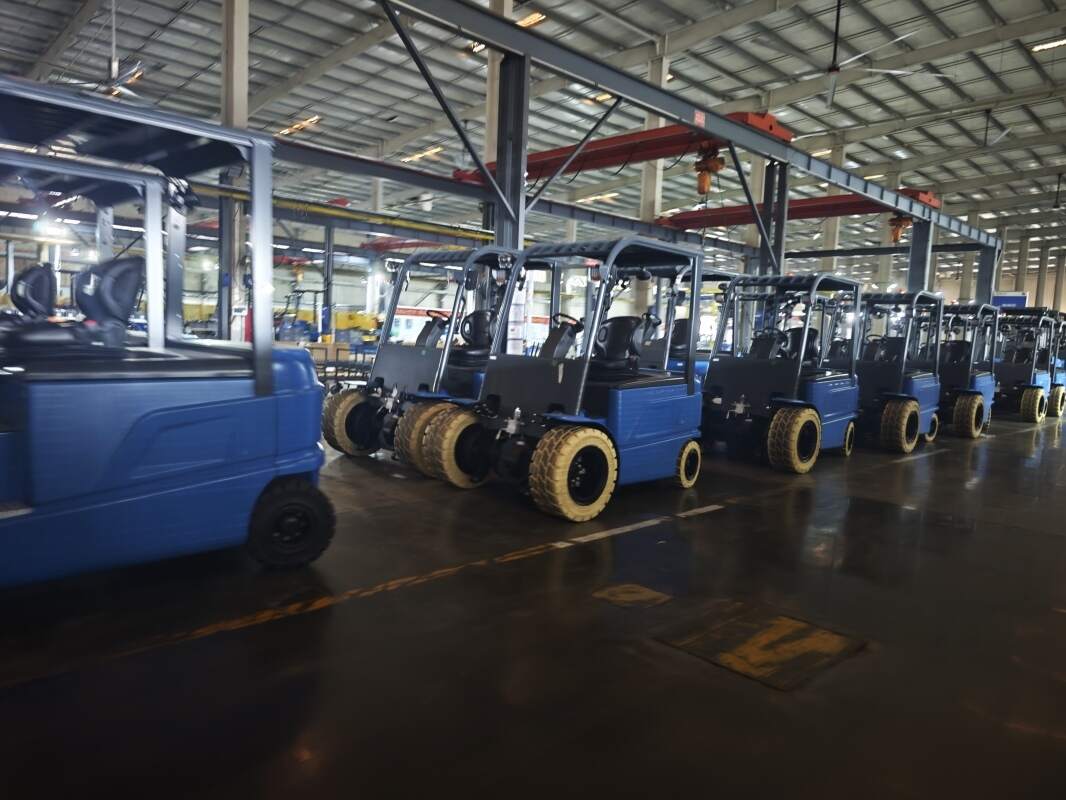
As low-carbon logistics development continuously expands across industrial material handling sectors, electric forklifts have gained wide popularity in indoor warehouse, retail distribution and light manufacturing scenarios for their low noise level, zero local emission and low operating cost features. For frontline operators and warehouse managers, systematic mastery of standardized use rules can effectively avoid unnecessary faults, reduce safety risks and bring stable performance of the equipment during long-term service.
Core Pre-operation Check Rules
Before every startup of the equipment, operators need to complete necessary inspection work, including checking the remaining battery level to avoid sudden power loss during cross-area transfer, testing the flexibility and sensitivity of brake and steering system, observing the wear condition of lifting chains and surface deformation of fork arms, and confirming there are no sundries blocking the safety detection components around the vehicle body. Completing these checks can exclude potential hidden troubles in early stage, and prevent small defects from evolving into unexpected safety incidents.
Standard Operation Best Practices
During daily operation, operators need to keep the load weight within the rated load range specified by the equipment parameters, avoid overloading for a long time to prevent damage to the hydraulic system. When the fork arms are lifted to a high position, do not drive the vehicle at a high speed or turn sharply, keep the driving path smooth and free of obstacles, and keep a safe distance from surrounding staff and storage shelves. When driving through narrow aisles, operators should slow down properly and give corresponding tips to surrounding personnel to avoid collision risks.
Routine Daily Maintenance Suggestions
After daily operation, operators need to park the vehicle in the designated charging and storage area in time, clean the dust and sundries on the battery shell and body surface, avoid long-term over-discharge of the battery, and check the tightness of the wiring port regularly to prevent dampness and poor contact. The rotating and sliding parts of the hydraulic lifting structure can be lubricated on schedule to reduce friction loss, which helps extend the overall service life of the equipment and lower long-term operation cost.


