
 English
 简体中文
 Русский
 Français
 Português
 Español


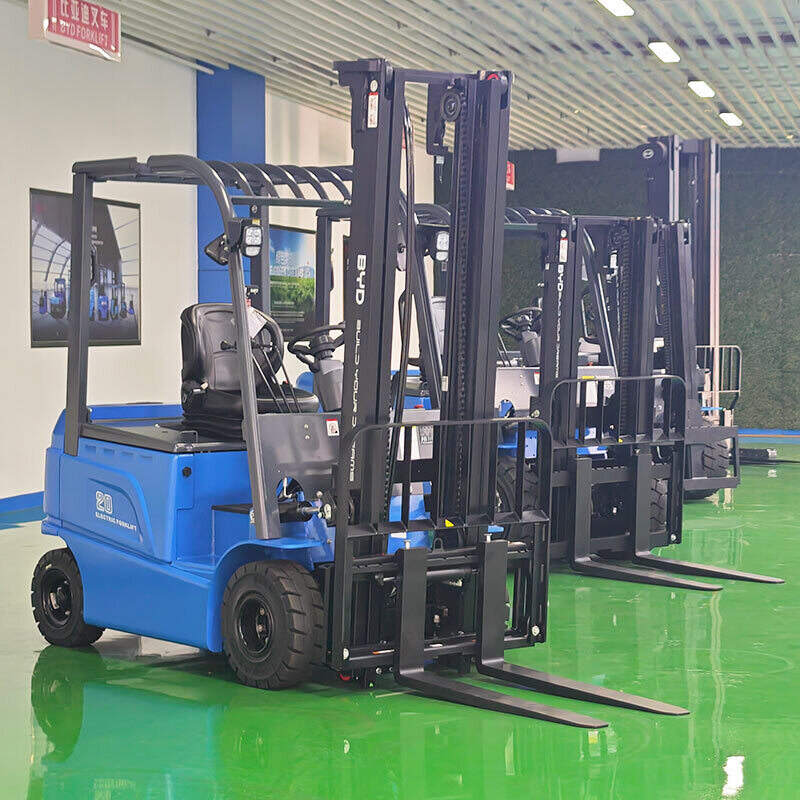
As low-carbon logistics development gains wider popularity across industrial scenarios, electric forklifts have become one of the most widely used material handling equipment in modern warehouses, manufacturing workshops and distribution centers. Mastering correct operation and maintenance rules can help operators give full play to the equipment’s performance, reduce unnecessary loss and lower long-term operation cost.
Core Performance Characteristics of Electric Forklifts
Different from internal combustion counterparts, electric forklifts rely on stored electric energy to provide power output, with no tail gas emission during normal operation. Most models run with relatively low noise, which meets the use requirements of closed indoor work scenarios that have strict requirements on air quality and working environment comfort. The power output curve of qualified electric forklifts can provide stable supporting force for goods handling within the rated load range, and the whole control logic is relatively friendly for operators to get familiar with after a short period of systematic training.
Standard Operation Guidelines for Daily Use
Before starting each shift, operators need to check the remaining power status, brake sensitivity, lifting mechanism flexibility and tire condition of the equipment first, and confirm no abnormal hidden dangers before formal operation. During the handling process, operators should avoid overloading beyond the rated load limit, keep the goods at a proper low height when driving, and avoid sharp turning or sudden braking on slippery roads. Operators should also not extend their limbs out of the operation cab during running, and strictly follow the site traffic rules of the working area to avoid collision with surrounding facilities or passing staff.
Practical Routine Maintenance Suggestions
After each shift, operators should wipe the dust and sundries attached to the equipment surface in time, place the equipment in the designated parking position, and connect the power supply for charging according to the actual remaining power condition. Regularly check the wear degree of key components such as power connection ports, transmission parts and hydraulic oil pipes, and arrange professional personnel to replace worn parts when the wear degree reaches the specified threshold. Proper maintenance can effectively extend the service life of core components, reduce the frequency of unexpected failure, and ensure the continuity of daily material handling work.


