
 English
 简体中文
 Русский
 Français
 Português
 Español


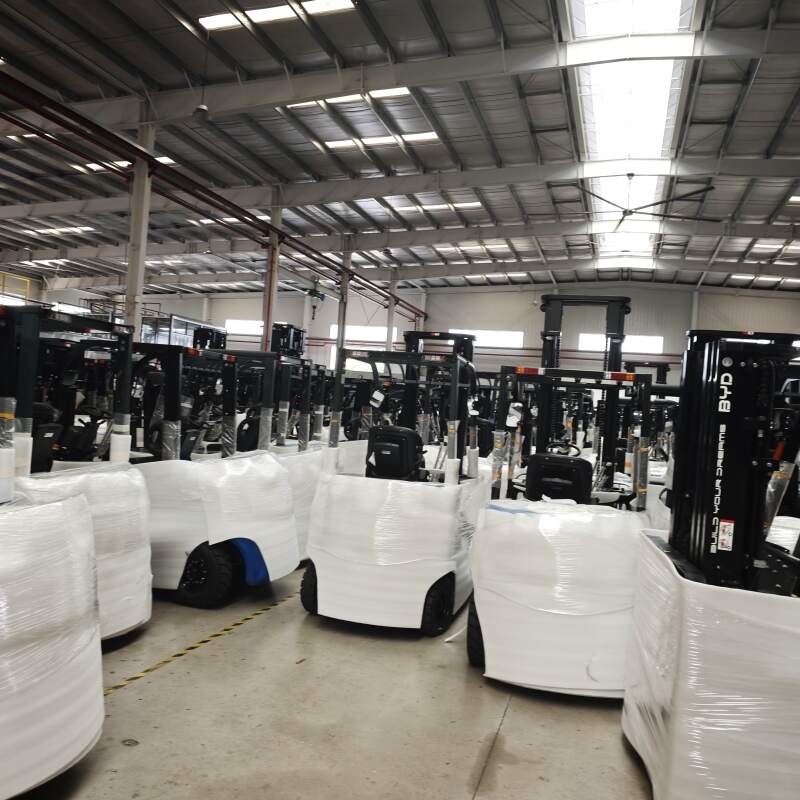
Against the background of low-carbon transformation of industrial logistics, electric forklifts have gradually become core material handling equipment for most indoor and semi-indoor working scenarios. Compared with internal combustion counterparts, they feature lower noise emission, zero local exhaust, and more flexible operation performance for narrow passage working conditions. Many warehouse and workshop operators still lack systematic cognition of their correct use rules and maintenance logics, which easily leads to shortened service life and unexpected operation risks.
Core Operation Specifications for Daily Working Scenarios
When operators start the equipment, they need to check the remaining power level, brake sensitivity and tyre surface condition first before carrying out formal handling tasks. It is not recommended to carry out overloading operation for long hours, and the gravity of the loaded goods should be kept within the middle of the pallet fork load range to avoid side tipping risks. When the equipment is running in narrow warehouse passages, operators need to control the driving speed below the safety threshold, and keep sufficient safe distance with surrounding storage racks and passing staff to avoid unexpected collision. Operators should also avoid frequent sharp turns in the working area to reduce extra wear of tyres and bearing parts.
Key Points of Routine Maintenance to Extend Service Life
Different from internal combustion forklifts, the core energy component of electric forklifts requires regular charging and discharging management. It is suggested to finish full charge after 80% power consumption for most common battery types, and avoid long time power loss storage which may cause irreversible damage to the energy storage module. Operators need to wipe the dust and sundries on the surface of the motor and control panel regularly every week, and check the wiring interface for looseness or corrosion condition, to reduce the failure rate of electronic components in long term operation. They can also record daily operation data to find potential hidden problems in the early stage.
Applicable Scenario Optimization Suggestions
Electric forklifts show better application performance in indoor e-commerce warehouses, food processing workshops and pharmaceutical storage scenarios that have strict requirements on air quality and operation noise. For outdoor working conditions with heavy rain or accumulated water over the safety height, it is not recommended to drive the equipment blindly, to avoid water entering the internal circuit system and causing unnecessary failure. Operators can also adjust the corresponding operation mode according to different task load, to balance working efficiency and power consumption performance. Mastering the above rules can help related personnel give full play to the performance advantages of electric forklifts, reduce unnecessary cost input, and promote the smooth progress of daily material handling work.


