
 English
 简体中文
 Русский
 Français
 Português
 Español


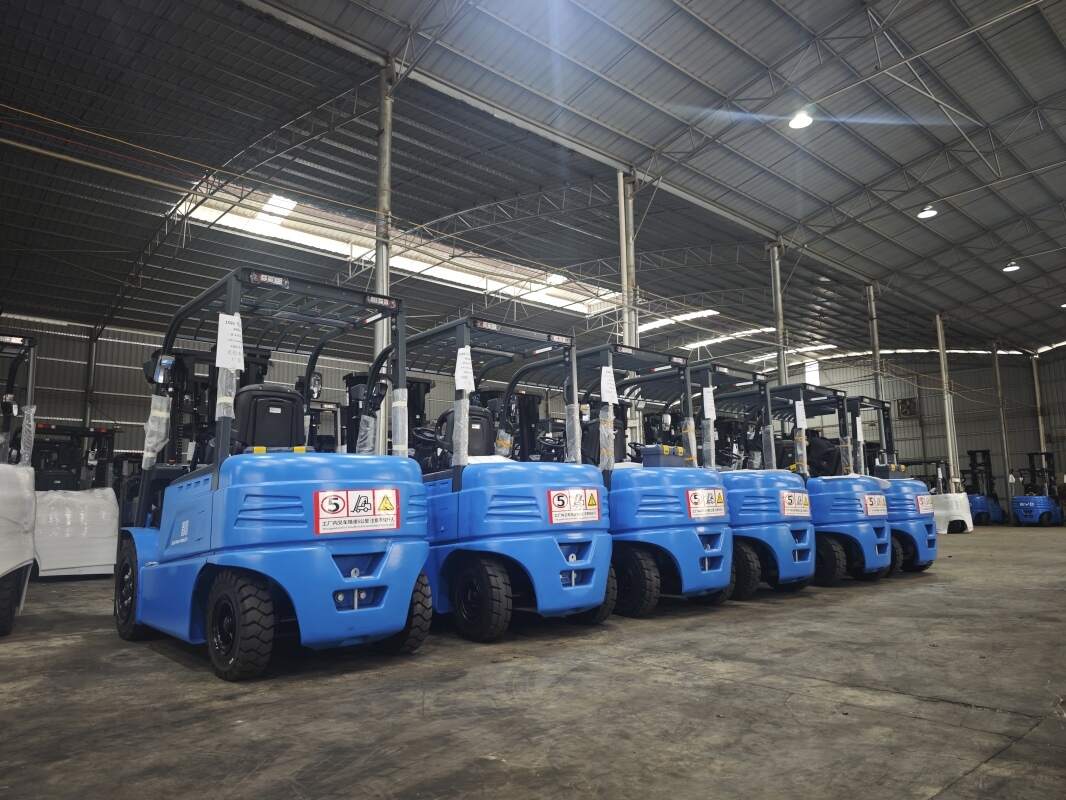
Against the background of low-carbon transformation of modern logistics and warehousing industry, electric forklifts have been widely applied in different scenarios from indoor storage to short-distance cargo transshipment, and mastering professional operation and maintenance knowledge helps practitioners give full play to the value of such equipment.
Fundamental Safety Operation Specifications for Electric Forklifts
Before starting each shift, operators need to check the status of braking system, residual battery level and lifting structure, confirm no abnormal hidden dangers before formal operation. During the operation process, staff should strictly follow the rated load range of the equipment, avoid sharp steering on wet and slippery ground, and it is not allowed to carry extra personnel or lift goods beyond the maximum load weight. When leaving the operation position for a long time, operators should pull the hand brake completely and lower the forks to a safe height to avoid accidental safety risks.
Daily Maintenance Rules to Stabilize Equipment Performance
After finishing the daily work, operators are advised to park the electric forklift in a cool, ventilated and dry designated area, avoid completely draining the battery power before charging, and regularly wipe and clean the dust and dirt on the battery electrode contact points to keep good conductive performance. It is also necessary to check the hydraulic system regularly for potential leakage, add proper amount of lubricating grease to the moving joints on schedule, and do not use high-pressure water gun to directly flush the electronic control components, so as to avoid short circuit damage to the internal circuit.
Feasible Methods to Improve Energy Use Efficiency
Operators can reasonably plan the daily cargo handling routes, reduce unnecessary long-distance no-load driving, adjust the lifting height of the forks according to the actual stacking height of goods, and avoid unnecessary high lifting that consumes extra power. In low temperature working environment, taking proper thermal insulation measures for the battery can effectively reduce the extra power consumption caused by low temperature, which helps to extend the continuous working time of the equipment under single charge, and reduce the overall long-term operation cost of material handling.


