
 English
 简体中文
 Русский
 Français
 Português
 Español


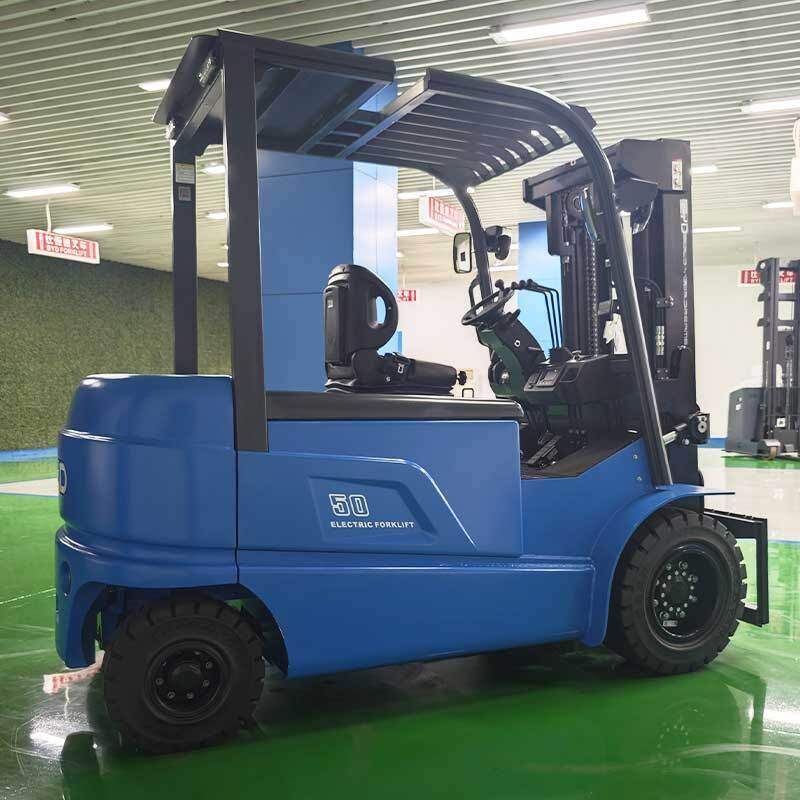
As low-carbon logistics development accelerates across the global industrial sector, electric forklifts have become a mainstream choice for indoor material handling scenarios, replacing most traditional fuel-powered counterparts in enclosed working environments. Mastering correct operation and maintenance rules can help teams reduce unnecessary downtime, lower long-term running costs, and create a safer working environment for all on-site staff.
Core Functional Advantages of Standard Electric Forklifts
Unlike fuel-powered units, modern electric forklifts generate zero tailpipe emission during operation, which effectively avoids harmful gas accumulation in enclosed warehouse spaces, reducing potential health risks for long-term on-site workers. The noise level of properly maintained electric forklifts stays at a relatively low range that meets industrial noise control standards, so it will not cause excessive noise disturbance to adjacent office areas or staff working nearby. The power output curve of electric forklifts is smoother at low speeds, which brings more stable operation experience for operators when carrying fragile or high-value goods.
Daily Pre-shift Inspection Protocols
Before every formal shift starts, operators need to complete a series of simple check items to rule out hidden risks. First, check the remaining power level of the power storage unit, confirm that the battery connection points are free of loose contact or obvious corrosion traces. Second, test the lifting system, steering structure and all brake components, make sure every movement response is smooth and no abnormal stuck or lag exists. Third, check the lighting, warning horn and all safety prompt devices, confirm that all of them can work normally to remind surrounding staff of the running track of the moving equipment.
Practical Energy Efficiency Optimization Tips
Operators can adopt small operation habits to extend the continuous working duration of each full charge properly. Avoid frequent sudden acceleration or sudden braking during normal moving process, keep a stable moving speed that matches the surrounding working environment. Do not leave the forklift in idle power-on status for a long time when the unit is not in use. When the forklift is not in working status for more than 30 minutes, operators should cut off the main power supply to avoid unnecessary power consumption.
Long-term Usage Safety Notes
All operators need to receive formal professional training before they can operate electric forklifts independently. Overloading the equipment beyond the rated load limit will not only cause damage to the lifting structure, but also lead to unstable gravity center of the whole unit, bringing potential tipping risks. It is not allowed to drive the electric forklift on slopes with gradient exceeding the specified scope in official operation manuals.


