
 English
 简体中文
 Русский
 Français
 Português
 Español


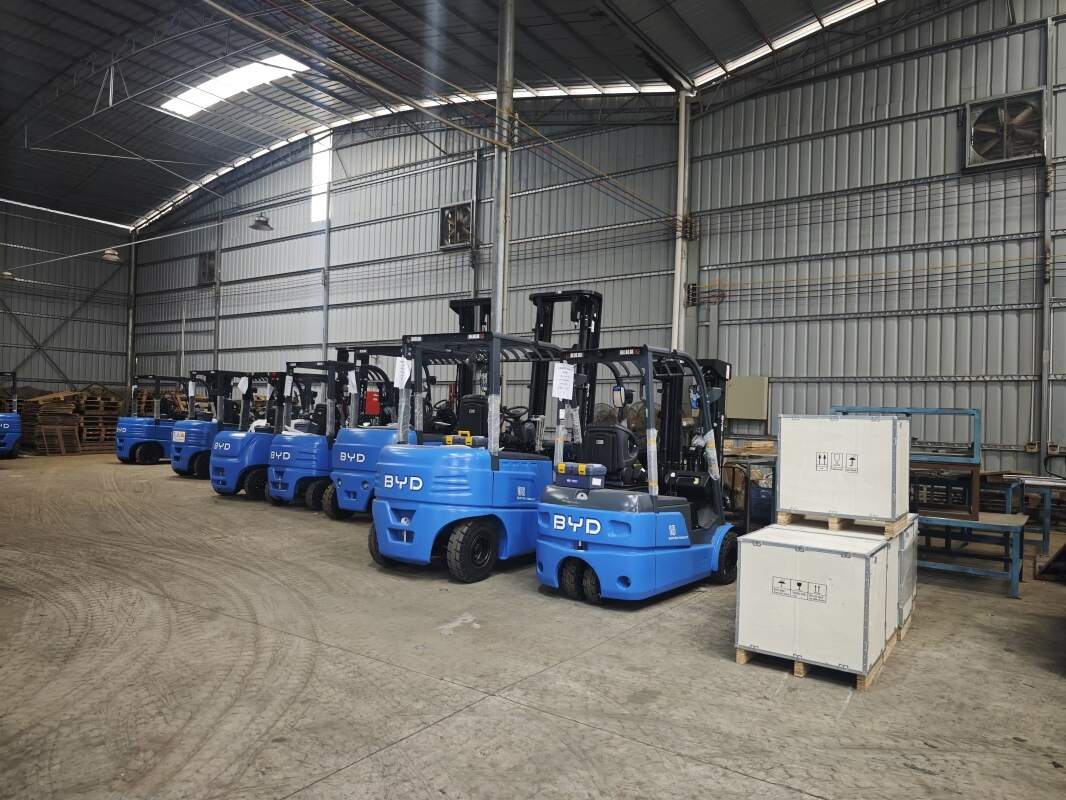
Against the backdrop of growing demand for low-carbon and high-efficiency logistics operations across different industries, electric forklifts have become one of the most widely adopted handling equipment in indoor warehouses, manufacturing workshops and distribution centers in recent years. For frontline operators and logistics managers, mastering correct usage rules and maintenance knowledge can fully release the equipment’s working potential while avoiding unnecessary operational risks.
Core Functional Advantages of Electric Forklifts in Daily Scenarios
Unlike traditional internal combustion handling equipment, electric forklifts generate zero local exhaust emissions during operation, which can effectively avoid air pollution and noise interference in closed indoor spaces. The power output of most modern electric forklifts is adjusted through precise electronic control systems, which can deliver stable torque at low running speeds, making it more convenient for operators to complete high-precision stacking, goods picking and short-distance transfer tasks within narrow operation passages. The overall vibration level during normal operation is also relatively lower, which can effectively reduce the fatigue level of operators after long shifts.
Routine Maintenance Guidelines to Ensure Stable Operation
Daily maintenance work does not require overly complicated professional operations, and most of the inspection items can be completed by on-site operators before the shift. The key checking points include the remaining power level of the power battery, the tightness of each connection part of the tire, the flexibility of the lifting and tilting system of the gantry, and the sensitivity of all safety protection components such as brakes and warning lights. Users need to follow the official operation specifications for charging, avoid over-discharging the battery for a long time, and regularly clean the dust and sundries accumulated on the surface of the motor and heat dissipation structure to prevent abnormal overheating during high-intensity continuous work.
Safety Optimization Suggestions for Different Application Scenarios
When operating in narrow shelf aisles, operators need to control the driving speed below the specified limit, and pay close attention to the surrounding personnel and obstacles through the sight line or matching auxiliary sensing devices. For outdoor operation scenes on non-paved roads, it is necessary to adjust the load center properly according to the actual road condition, and avoid carrying out high-altitude stacking operation on roads with large slopes to prevent the risk of side tipping. After each operation task is completed, the operator should park the equipment in the designated area, lower the gantry to the lowest position, cut off the main power supply, and complete the corresponding operation log record.


