
 English
 简体中文
 Русский
 Français
 Português
 Español


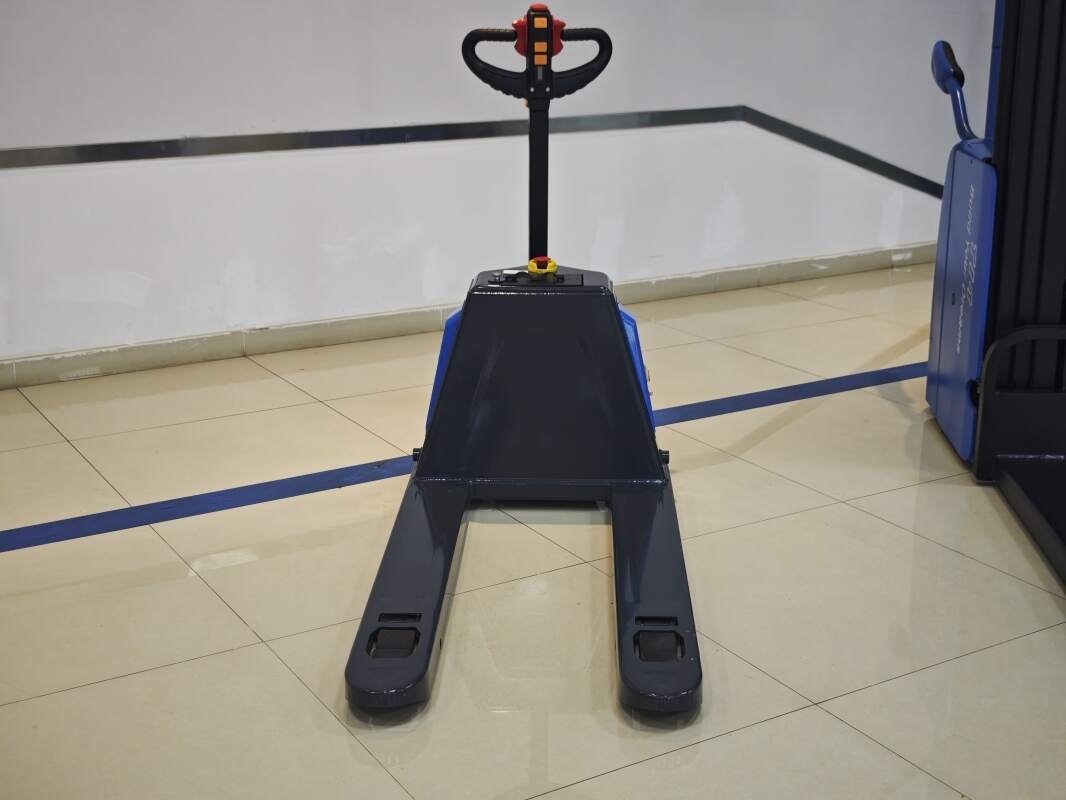
In recent years, electric forklifts have gained wide popularity in various industrial material handling scenarios, especially in closed warehouse and distribution center environments, for their low noise, zero local emission and flexible operation characteristics. Different from traditional internal combustion powered handling equipment, electric forklifts can better meet the current green logistics development needs, and bring more convenient operation experience for frontline staff.
Core Performance Advantages of Electric Forklifts in Warehouse Scenarios
Compared with fuel-powered counterparts, electric forklifts do not produce exhaust gas during operation, which will not cause indoor air pollution even in enclosed storage spaces with limited ventilation conditions. The output torque of electric drive system is smoother, so the lifting and moving process will not generate obvious jitter, which is more suitable for handling fragile or precision industrial goods. The body of most mainstream electric forklifts is designed with compact turning radius, which can pass through narrow storage aisles smoothly, making full use of limited warehouse space to arrange more storage racks.
Standardized Operation Guidelines to Reduce Unnecessary Equipment Loss
Before each shift of operation, operators need to check the basic status of the equipment, confirm the remaining battery power, and check the flexibility of the steering and braking system. It is not recommended to operate the equipment with overload for a long time, or carry out frequent sharp acceleration and sharp deceleration actions, which will cause extra consumption to the drive motor and battery pack. When the equipment is not in use for a long time, it is necessary to arrange regular charging to maintain the activity of the battery pack, and avoid running the battery out completely before charging, which will shorten the overall cycle life of the battery.
Daily Maintenance Practices to Ensure Long-term Stable Operation
In daily maintenance work, operators can regularly clean the dust and sundries accumulated on the surface of the equipment and in the gap of the fork, check whether the wiring terminals of the battery pack have abnormal oxidation, and apply a thin layer of anti-oxidation protective grease properly. The hydraulic lifting parts should be filled with special lubricating oil on a regular basis according to the manufacturer’s instructions, and the wear degree of the brake pads should be checked regularly. Once abnormal operation noise or unresponsive control is found during use, the operator should stop the equipment for inspection in time, and do not carry out follow-up operations before eliminating hidden dangers. Following these practical operation and maintenance rules can effectively extend the service life of electric forklifts, reduce the overall operation cost of the logistics system, and ensure the smooth progress of daily material handling work.


