
 English
 简体中文
 Русский
 Français
 Português
 Español


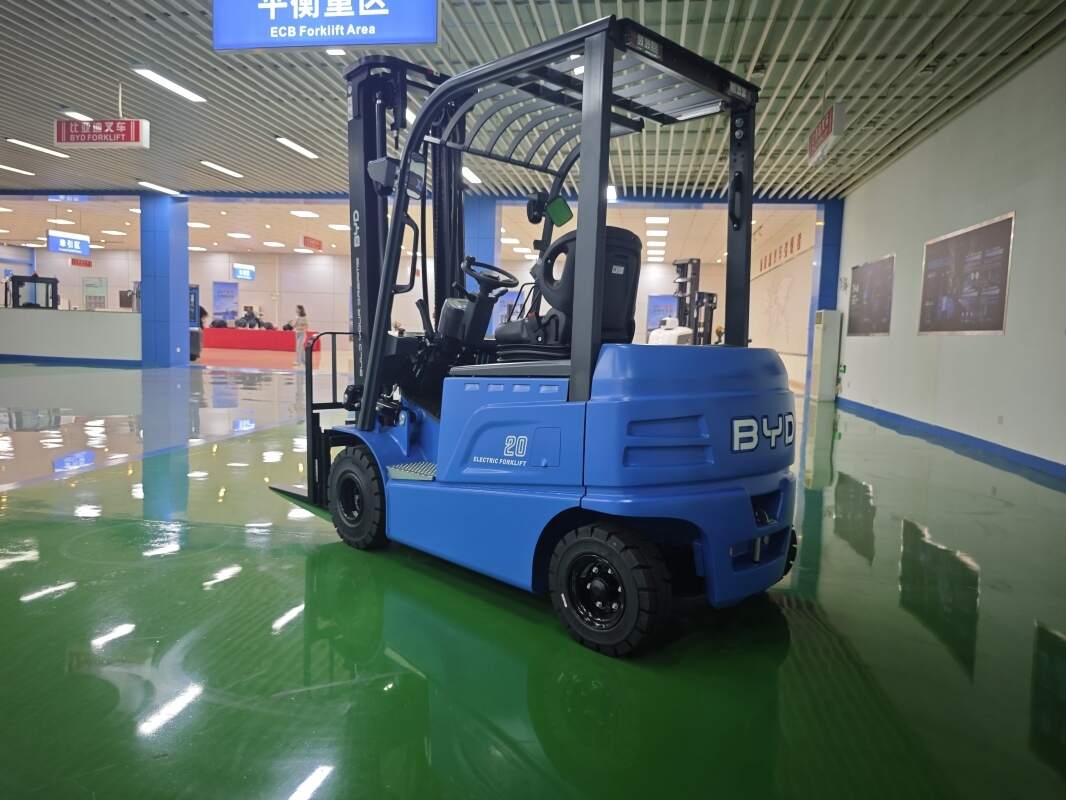
As the logistics and warehousing industry develops steadily, electric forklifts have become one of the most widely used material handling equipment in various indoor and enclosed operation scenarios, for their low noise, zero local emission and flexible operation characteristics. For most frontline operators and warehouse managers, mastering systematic application and operation knowledge of electric forklifts can effectively extend the service life of equipment and improve overall operation efficiency.
Core Application Scenario Adaptation Rules
Different from internal combustion forklifts, electric forklifts are more suitable for operation scenarios with high requirements for air quality and noise control, including e-commerce sorting warehouses, food processing workshops, pharmaceutical storage centers and other enclosed or semi-enclosed working spaces. Operators need to confirm the load weight of goods, access channel width and ground flatness before putting the equipment into use, to select the matching operation mode to avoid unnecessary wear of core components. For special scenarios with narrow aisles or high stacking requirements, corresponding parameter adjustment can be carried out within the allowable range of equipment specification to meet actual operation demands.
Daily Routine Maintenance Essentials
Conventional daily maintenance of electric forklifts does not require overly complex professional operation, and most of the inspection work can be completed by trained frontline operators. Before starting the equipment every day, operators need to check the remaining power of the power unit, the wear degree of walking wheels, the flexibility of lifting mechanism and the sensitivity of safety warning components, and record the abnormal situations found in the inspection process in time. After the daily operation is completed, the equipment should be parked in the designated special area, the power supply should be connected for charging as required, and the sundries attached to the surface of the equipment should be cleaned to avoid residual sundries corroding the shell or moving parts for a long time.
Operation Optimization Suggestions
Standardized operation habits can effectively reduce the failure probability of electric forklifts. Operators should avoid frequent rapid acceleration and sudden braking in the process of driving, and avoid long-time overload operation beyond the rated load range. During the goods stacking process, the center of gravity of the goods should be kept stable within the allowable range of the load center, to prevent the equipment from tilting or the goods from slipping. Regularly organize operators to participate in professional skill training, can help them master the latest operation specifications, further improve the safety and efficiency of daily material handling work.


