
 English
 简体中文
 Русский
 Français
 Português
 Español


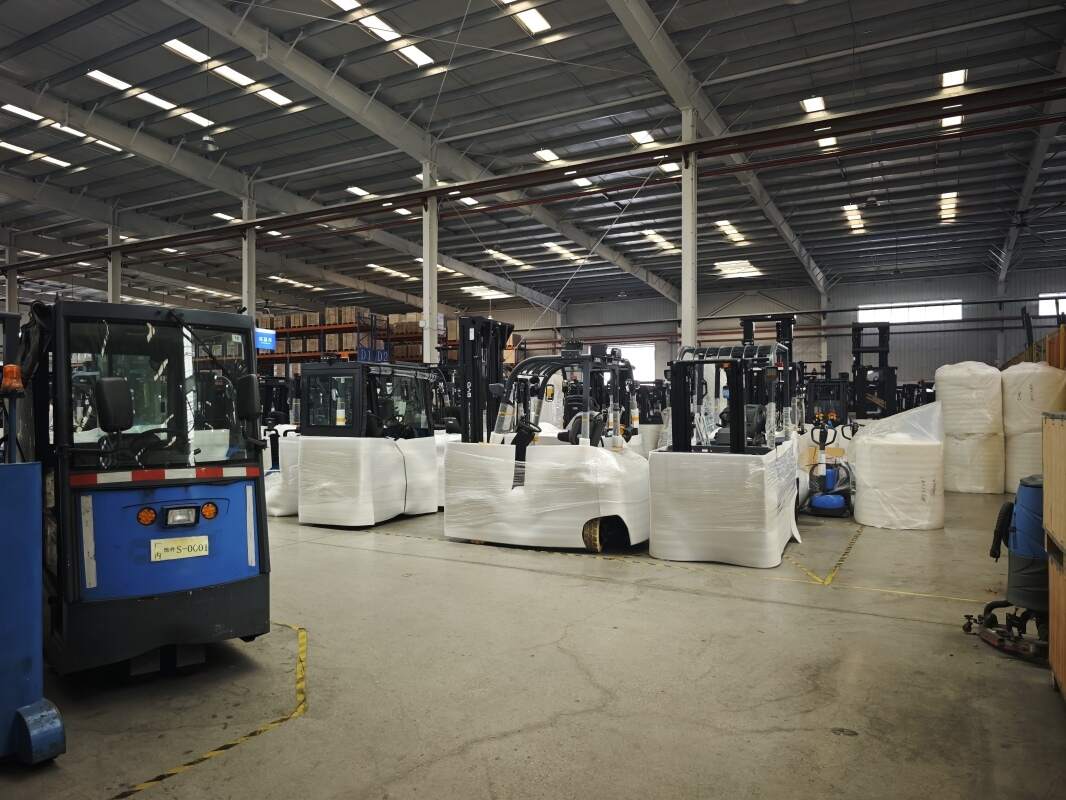
As low-carbon logistics becomes a mainstream development trend across the industrial sector, electric forklifts have gradually become one of the most widely used material handling equipment in closed work scenarios such as warehouses, manufacturing workshops and urban distribution centers. Many frontline operators and logistics managers hope to grasp systematic professional knowledge to maximize the use value of such equipment in daily work.
Core Performance Advantages of Modern Electric Forklifts
Compared with traditional internal combustion handling equipment, modern electric forklifts generate no tail gas emission during operation, produce relatively low running noise, and have more stable output of power parameters under full load state. Most common models adopt modular power supply design, which supports fast replacement of energy units to adapt to continuous high-intensity working needs for multiple shifts. The whole machine has fewer mechanical friction parts, which can effectively reduce the long-term operation input of users without extra energy consumption caused by fuel supply.
Standardized Daily Operation Specifications
Before starting the equipment every time, operators need to check the remaining power status, the flexibility of the braking system, the wear degree of the load bearing forks and the normal operation of the warning light system. During the driving process, operators should keep the load within the rated bearing range, avoid sharp turning and sudden braking when the goods are lifted to a high position, and strictly follow the on-site traffic guidance rules of the working scenario to avoid potential safety risks for both personnel and goods.
Routine Maintenance Points to Extend Service Life
After each shift, operators need to wipe the dust and sundries on the surface of the equipment, clean the dust accumulation at the heat dissipation ventilation openings, and place the whole machine in the designated parking area to charge in a standardized way. Regular professional inspection of the power supply system, motor operation state and circuit aging degree can effectively reduce the failure rate in the use process, and extend the overall service cycle of the equipment with lower extra investment.
Scenario-based Application Optimization Suggestions
For scenarios with high frequency of short-distance material handling, users can adjust the operation response parameters of the equipment according to the actual working environment to improve the overall operation efficiency. For narrow aisle working scenarios, operators can select matching load limit and body size parameters to give full play to the flexible movement advantage of electric forklifts and meet different actual production demands.


